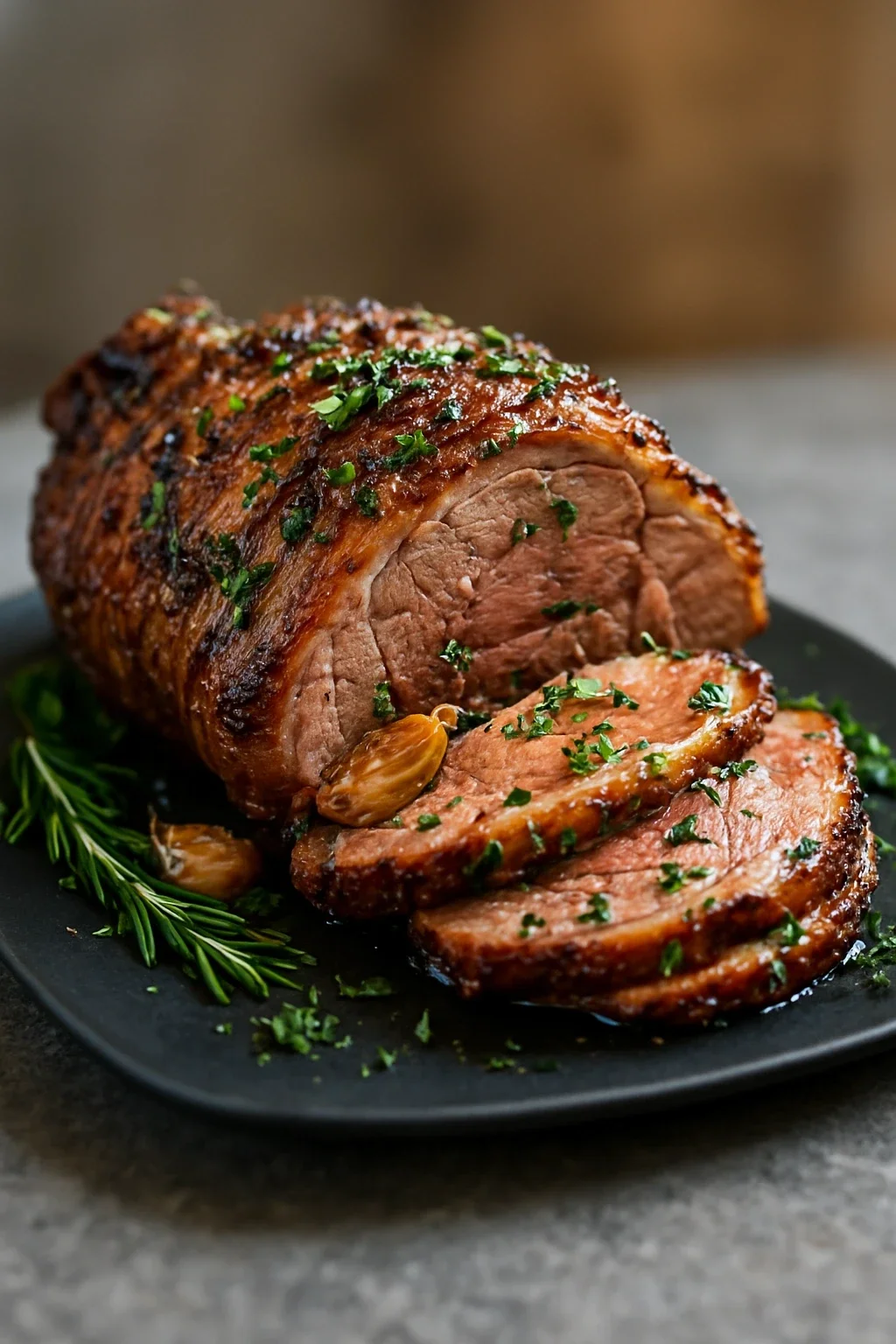
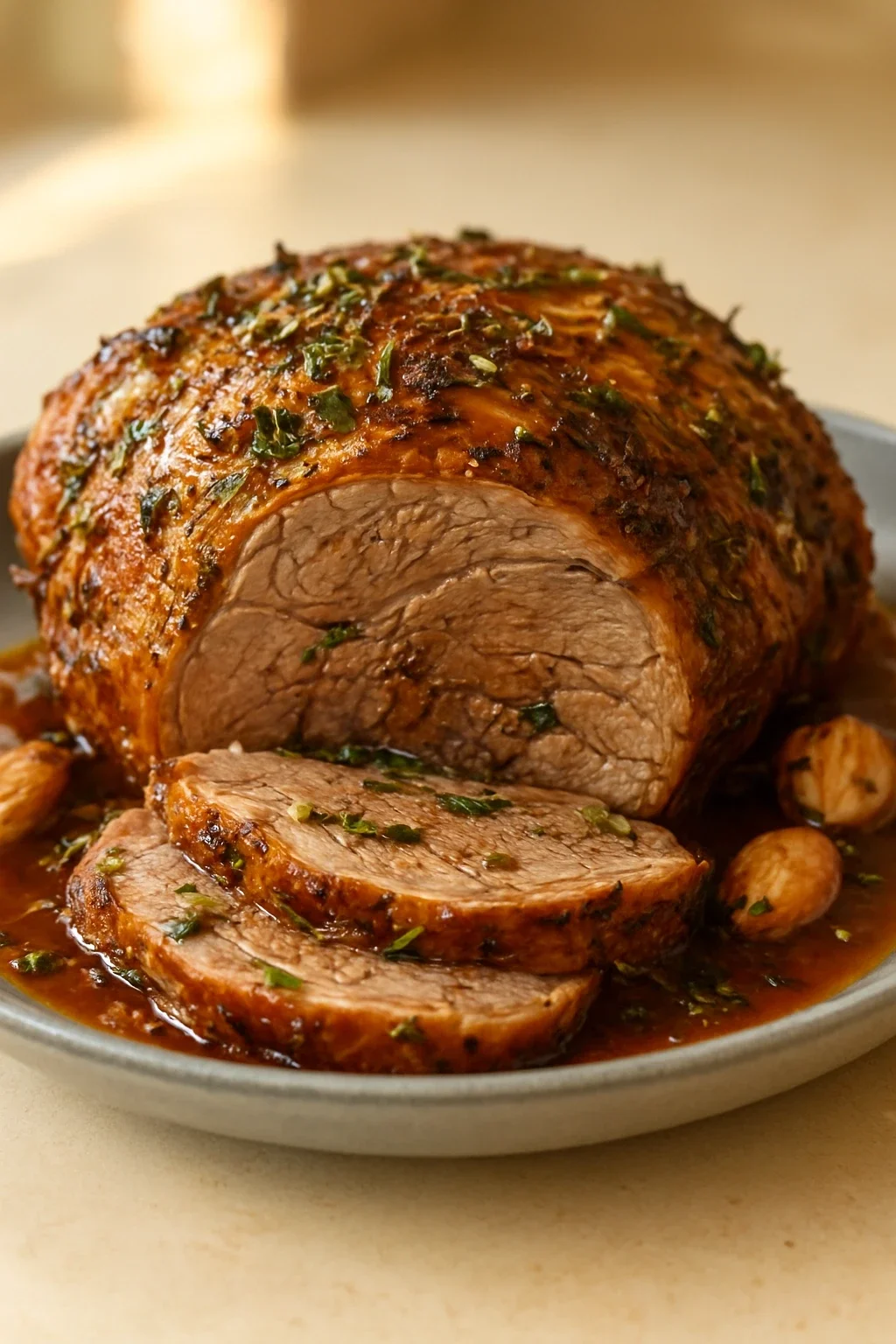
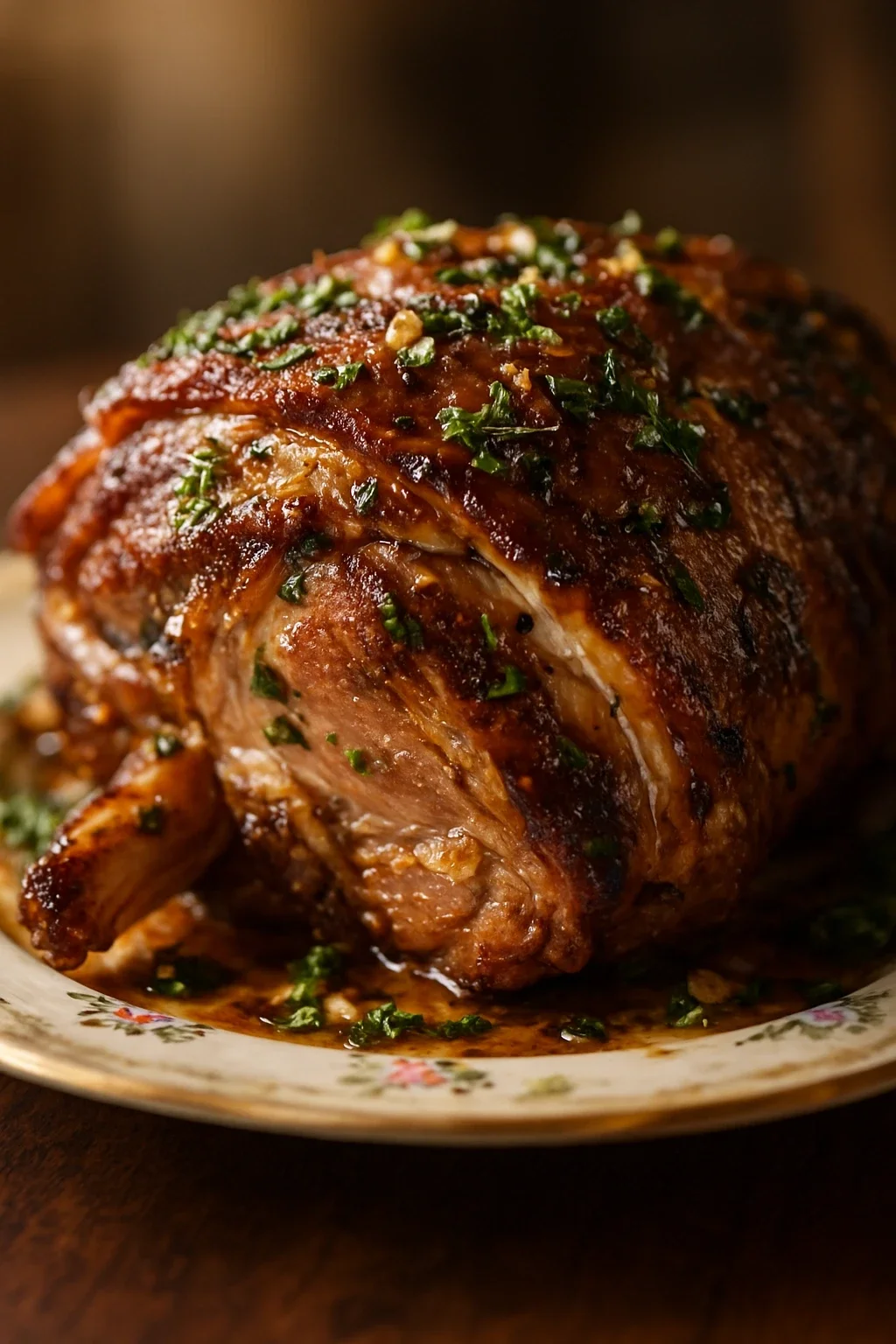
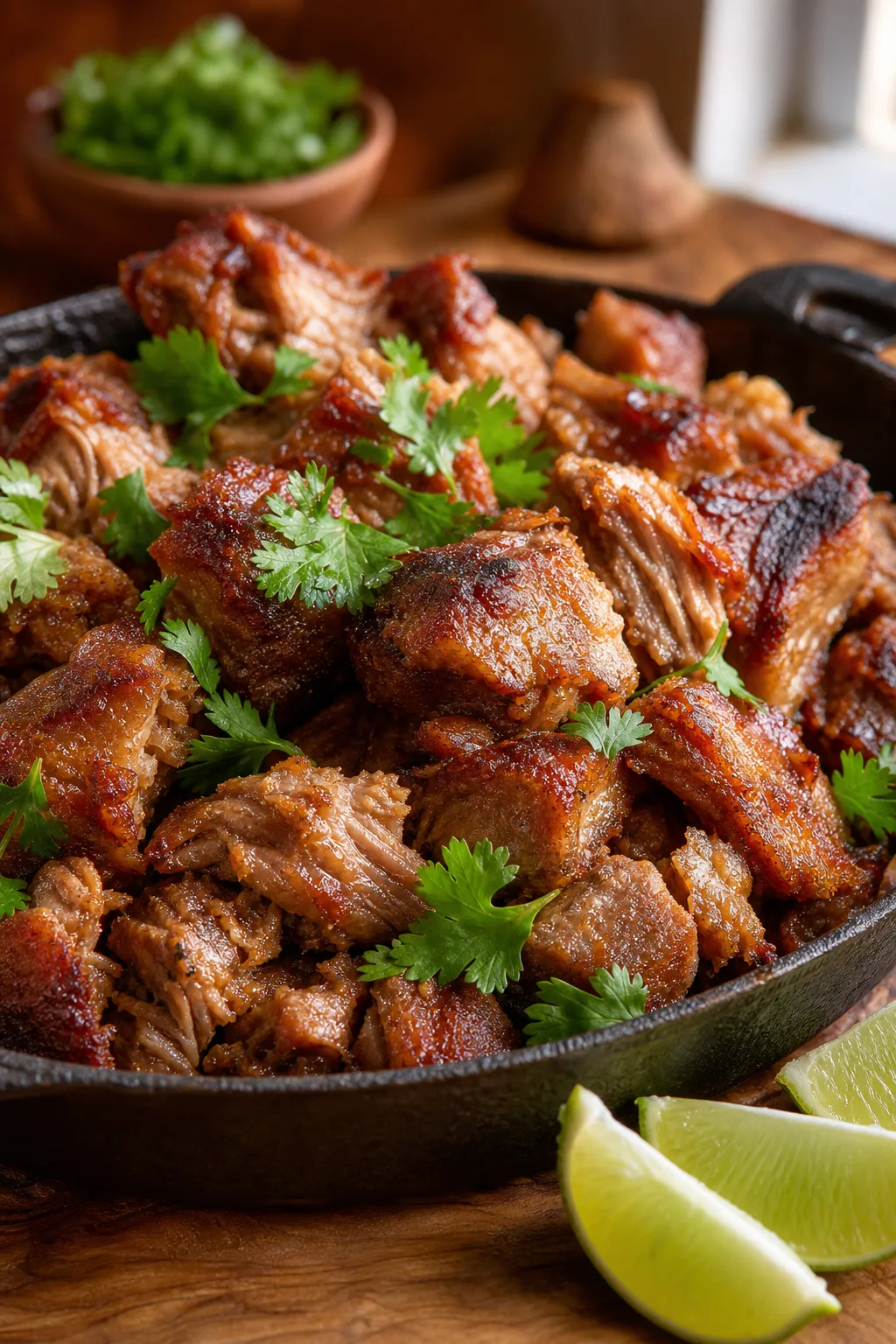
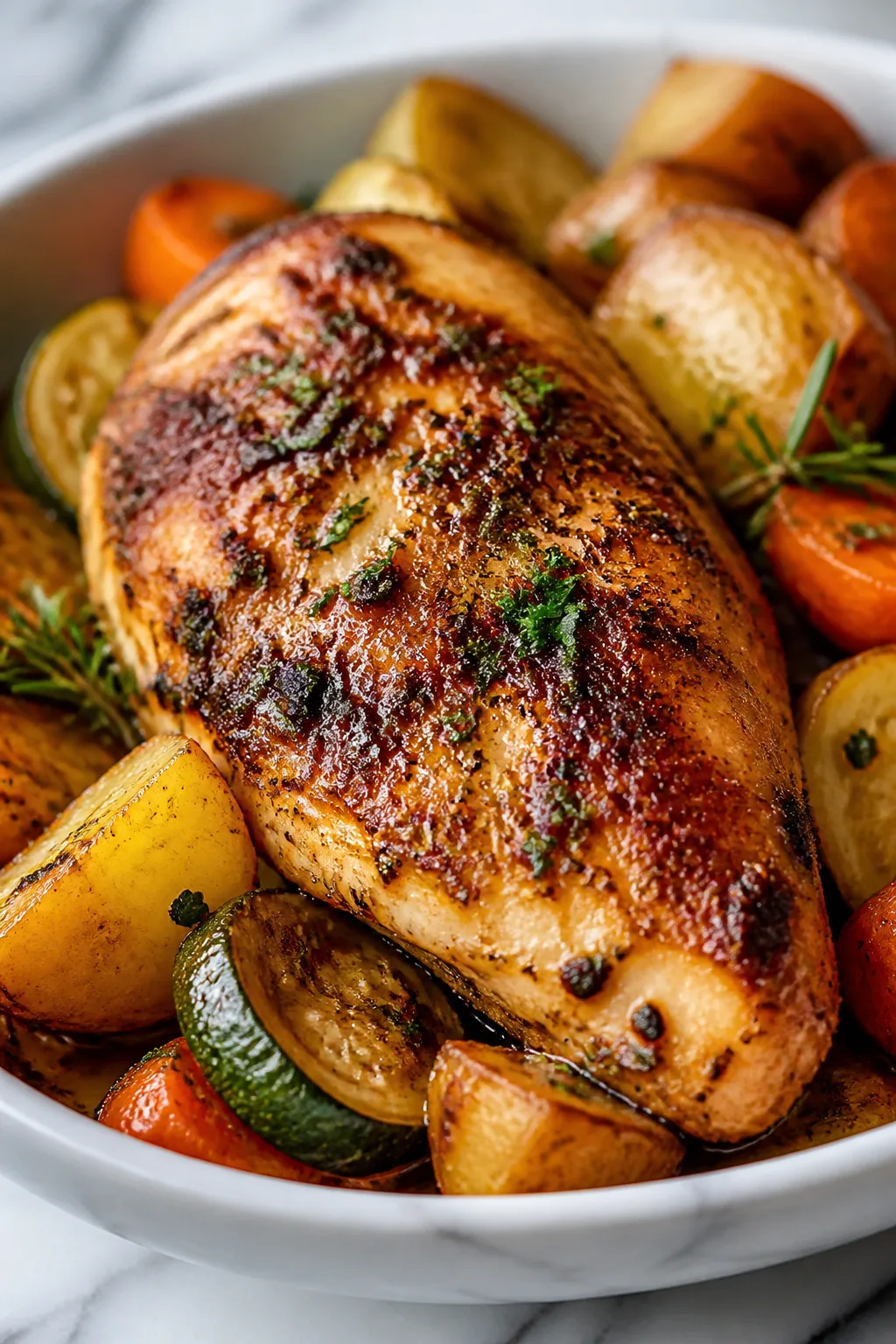
A straightforward recipe for leg of lamb rubbed with garlic, rosemary, and herbs, delivering a juicy and flavorful centerpiece for Easter dinner. Learn how to prepare the rub, roast the lamb to tender perfection, and time everything for a stress-free festive meal.
Introduction
Roasting leg of lamb has been a family tradition every Easter for years. I remember the aroma filling the kitchen—the sharp garlic mingling with piney rosemary and the gentle warmth of thyme. This version stands out because the herb rub is simple yet robust, allowing the natural lamb flavor to shine while keeping the meat tender and juicy. It’s a dish that suits a festive family gathering, where the centerpiece is both impressive and uncomplicated. The timing is manageable, making it ideal for holiday cooks who want to enjoy the meal without last-minute stress. This recipe walks through each step carefully, ensuring you’ll end up with a beautifully roasted leg of lamb that’s as satisfying to prepare as it is to eat.
What You'll Need
One 4-5 lb (1.8-2.3 kg) roasted leg of lamb, serving 6
- 1 leg of lamb, bone-in, 4-5 lbs (1.8-2.3 kg), trimmed of excess fat
- 6 cloves garlic, minced
- 3 tbsp fresh rosemary, finely chopped
- 2 tbsp fresh thyme leaves
- 2 tsp coarse sea salt
- 1 tsp freshly ground black pepper
- 2 tbsp olive oil
- 1 lemon, zested and juiced
- Optional: 1 tsp Dijon mustard
How To Do It
Step 1
Take the leg of lamb out of the refrigerator 30 minutes before cooking to allow it to come closer to room temperature. This helps the meat cook more evenly and reduces the risk of a cold center.
⏱ Time: 30 minutes
✓ Doneness: Lamb feels cool but no longer icy, surface dry to touch
Step 2
Preheat the oven to 375°F (190°C). While the oven warms, prepare the herb rub by combining the minced garlic, chopped rosemary, thyme leaves, sea salt, black pepper, olive oil, lemon zest, lemon juice, and optional Dijon mustard in a small bowl.
⏱ Time: 5-7 minutes
✓ Doneness: Rub is a cohesive paste with bright aroma of herbs and citrus
Step 3
Pat the leg of lamb dry with paper towels to remove any surface moisture. Use a sharp knife to make small incisions (about 1/2 inch deep) all over the meat to allow the rub to penetrate more effectively.
⏱ Time: 5 minutes
✓ Doneness: Lamb surface is dry and incisions are evenly spaced
Step 4
Rub the herb mixture evenly over the entire surface of the lamb, massaging it into the incisions and coating all sides. Place the lamb on a rack in a roasting pan, fat side up to allow the fat to baste the meat during cooking.
⏱ Time: 5 minutes
✓ Doneness: Lamb is evenly coated with herb paste, slightly glossy
Step 5
Insert a meat thermometer into the thickest part of the lamb, avoiding bone. Place the roasting pan in the preheated oven. Roast uncovered for approximately 80-90 minutes, or until the internal temperature reaches 135°F (57°C) for medium-rare or 145°F (63°C) for medium.
⏱ Time: 80-90 minutes
✓ Doneness: Thermometer reads desired temperature; lamb develops a golden crust with some caramelization
Step 6
About halfway through cooking, baste the lamb with pan juices to keep the surface moist and encourage even browning. Avoid opening the oven door too often to maintain stable heat.
⏱ Time: at 40-45 minutes
✓ Doneness: Surface looks glossy and beginning to brown
Step 7
Once the lamb reaches the desired temperature, remove it from the oven and tent loosely with aluminum foil. Let it rest for at least 15-20 minutes before carving. Resting allows juices to redistribute and the temperature to even out.
⏱ Time: 15-20 minutes
✓ Doneness: Meat feels warm throughout and firm but yielding to touch
Step 8
Carve the leg of lamb against the grain into slices of preferred thickness. Serve immediately alongside your choice of sides.
⏱ Time: 5 minutes
✓ Doneness: Slices show a rosy pink center with moist texture
Pro Tips
Allow the lamb to come to room temperature before roasting.
This promotes even cooking throughout the meat, preventing undercooked centers or overdone edges.
Make shallow incisions in the lamb before applying the rub.
This helps the garlic and herbs penetrate deeper, enhancing flavor beneath the surface.
Use a meat thermometer rather than relying on cooking times alone.
Oven temperatures and lamb sizes vary; a thermometer ensures you reach the desired doneness accurately.
Rest the lamb covered after roasting before slicing.
Resting seals in juices and allows the meat fibers to relax, resulting in a moist and tender texture.
Baste the lamb midway through cooking with pan juices.
This prevents the surface from drying out and promotes an evenly browned, flavorful crust.
Common Mistakes to Avoid
Roasting the lamb straight from the refrigerator.
Why it happens Cold meat cooks unevenly, leading to overcooked edges and undercooked center.
Fix Remove the lamb 30 minutes before cooking to temper to room temperature.
Skipping the resting period after roasting.
Why it happens Cutting immediately causes juices to run out, resulting in dry meat.
Fix Tent the lamb with foil and rest at least 15-20 minutes before carving.
Using high oven temperature to speed cooking.
Why it happens High heat causes the muscle fibers to contract quickly and toughen the meat.
Fix Maintain moderate oven temperature (375°F/190°C) for gradual, even cooking.
Not using a meat thermometer.
Why it happens Guessing doneness can lead to under or overcooked lamb.
Fix Use an instant-read or probe thermometer inserted into the thickest part to monitor internal temperature.
Variations
Garlic and Mint Marinade
Add 1/4 cup chopped fresh mint to the herb rub and marinate the lamb for 2-4 hours before roasting. Mint adds a refreshing note that complements the rich meat.
Note: Marinating longer allows the mint oils to penetrate the meat, but avoid over-marinating as the acidity can affect texture.
Spiced Middle Eastern Style
Include 1 tsp ground cumin, coriander, and cinnamon in the rub along with the herbs. Serve with a side of yogurt sauce for a fragrant, warm spice profile.
Note: These spices pair well with lamb's natural flavor and add complexity without overpowering.
Slow-Roasted Leg of Lamb
Roast at 300°F (150°C) for 2.5-3 hours until tender. This slow method yields very tender meat with less crust but more even cooking.
Note: Longer cooking at lower temperature breaks down connective tissue thoroughly, but less Maillard browning occurs.
Boneless Leg of Lamb
Use a boneless leg for easier carving. Adjust cooking time to about 70-80 minutes at 375°F (190°C) depending on size.
Note: Boneless roasts cook faster and more evenly but may lose some flavor that the bone imparts.
Nutrition
Per Serving:
approximately 450
Calories
Values are estimates and may vary based on lamb cut, trimming, and exact ingredient amounts.
Storage & Tips
Room Temperature
Do not leave cooked lamb at room temperature for more than 2 hours to avoid bacterial growth.
Refrigerator
Store leftover lamb in airtight containers for up to 3 days. Slice before storing to cool evenly.
Freezer
Freeze cooked lamb slices for up to 2 months in freezer-safe bags or containers. Thaw overnight in refrigerator before reheating.
Reheating
Reheat gently in a low oven (about 275°F/135°C) covered with foil to retain moisture. Alternatively, warm slices in a pan with a splash of broth over low heat. Avoid high heat to prevent drying.
Make Ahead
Apply the herb rub and marinate the lamb up to 24 hours in advance, covered in the refrigerator. Bring to room temperature before roasting for best results.
FAQ
Can I prepare the herb rub ahead of time?
Yes, the rub can be mixed and stored in the refrigerator up to 24 hours before use, which can deepen flavors.
Why is my lamb dry after roasting?
This often happens if the lamb is overcooked or if it wasn’t rested after roasting. Use a thermometer to avoid overcooking and always rest meat before slicing.
Can I roast a boneless leg of lamb using this recipe?
Yes, reduce cooking time slightly and monitor internal temperature closely as boneless roasts cook faster.
How long does cooked leg of lamb keep in the fridge?
Properly stored leftovers will keep for up to 3 days refrigerated in airtight containers.
Can I use dried herbs instead of fresh?
Fresh herbs provide the best flavor and aroma, but if using dried, reduce the amount by about half and add them to the rub earlier to rehydrate.
Is it necessary to baste the lamb during roasting?
Basting helps keep the surface moist and promotes even browning, but it’s optional if you prefer to avoid opening the oven.
Final Thoughts
This herb-rubbed leg of lamb captures the essence of a traditional Easter meal—simple, flavorful, and satisfying. I welcome your experiences or questions in the comments. Sharing your thoughts helps all of us improve our cooking and celebrate these moments around the table.