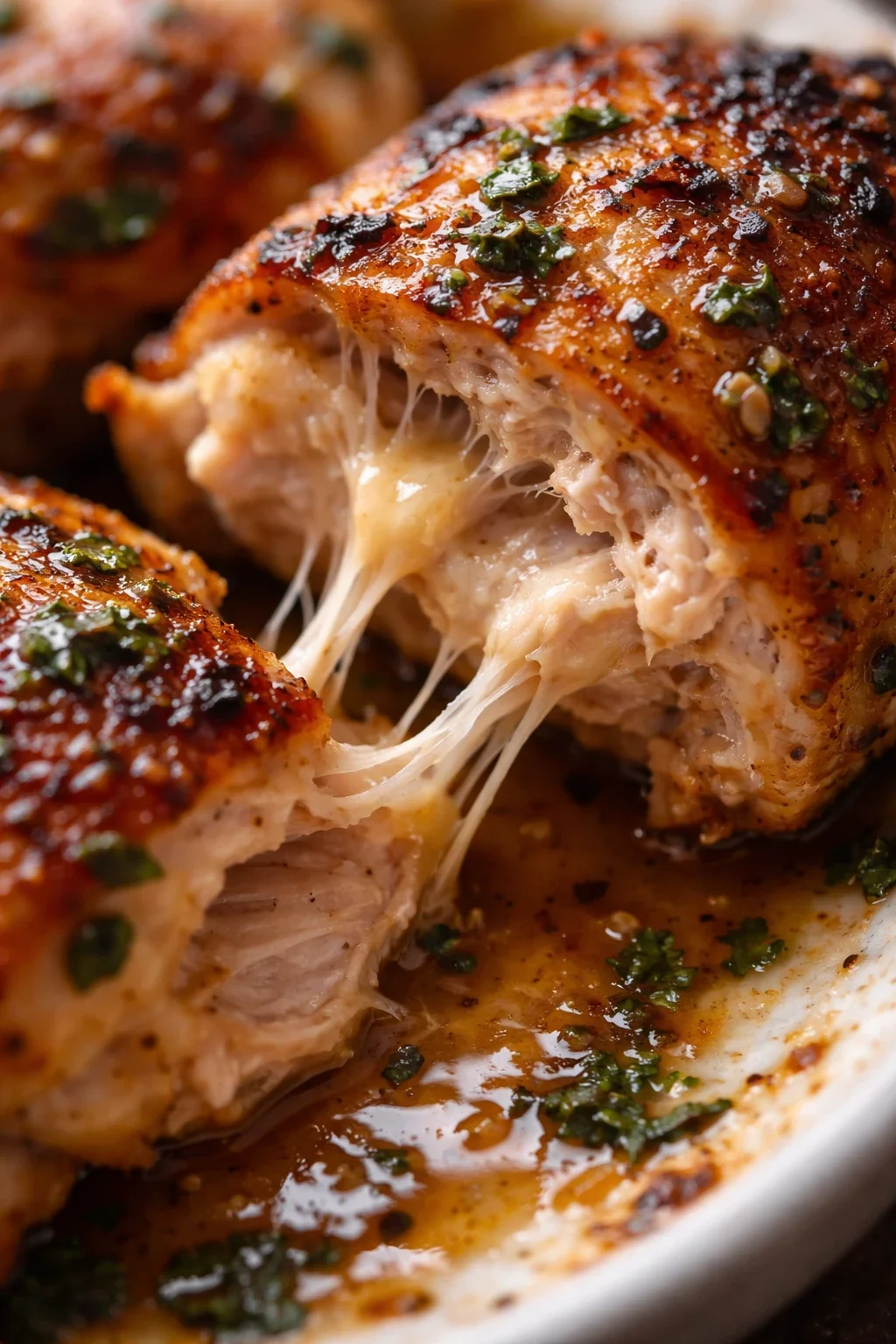
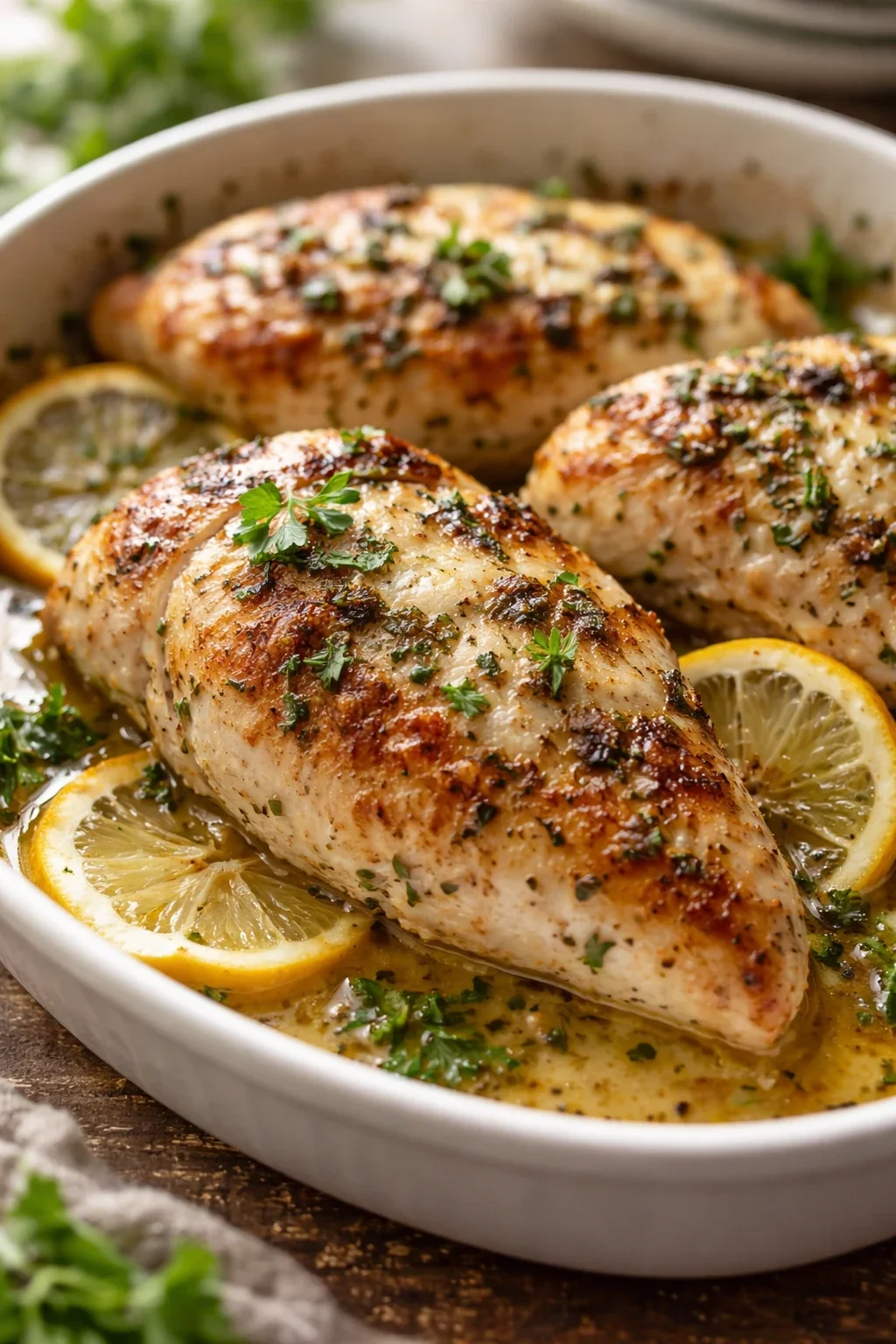
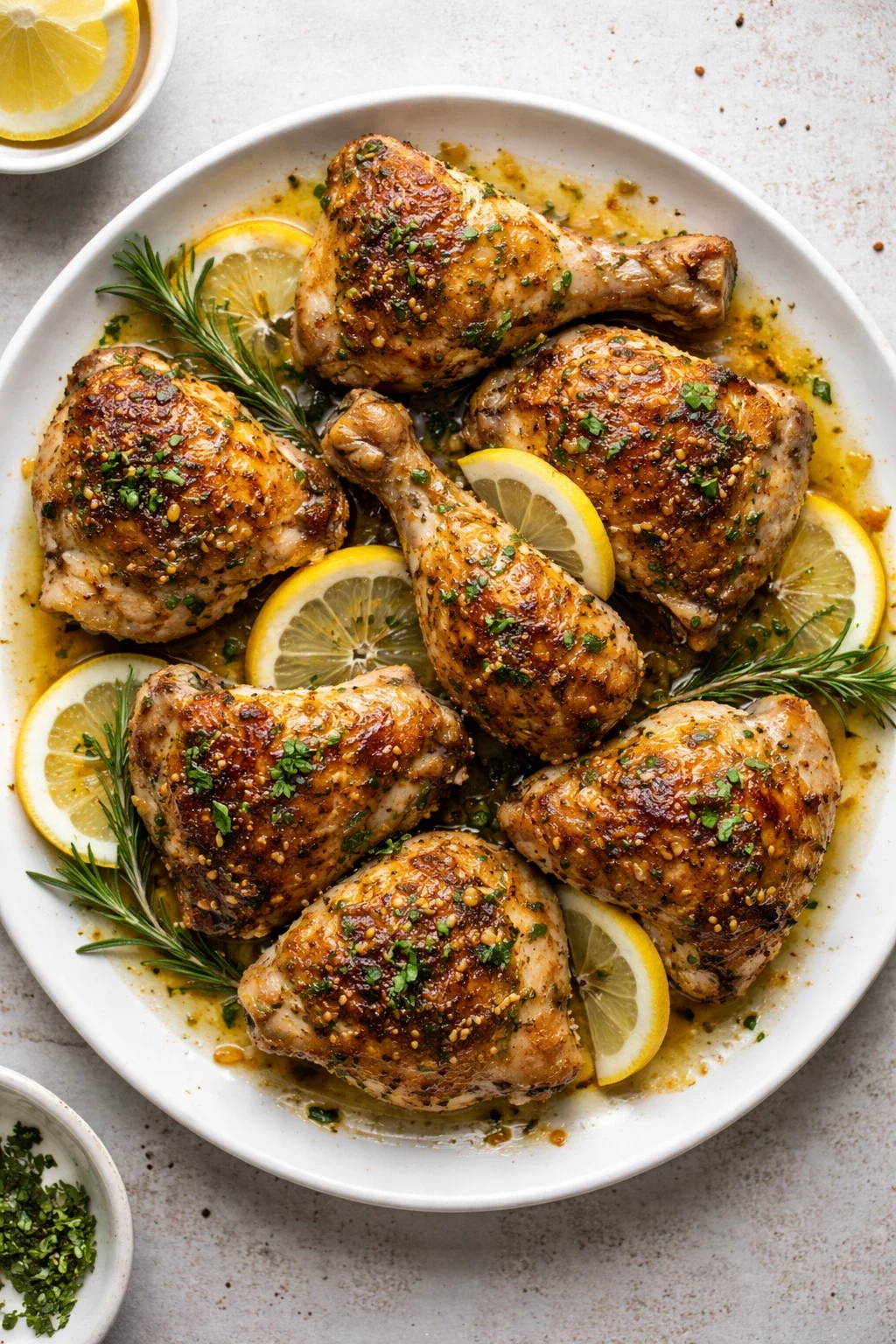
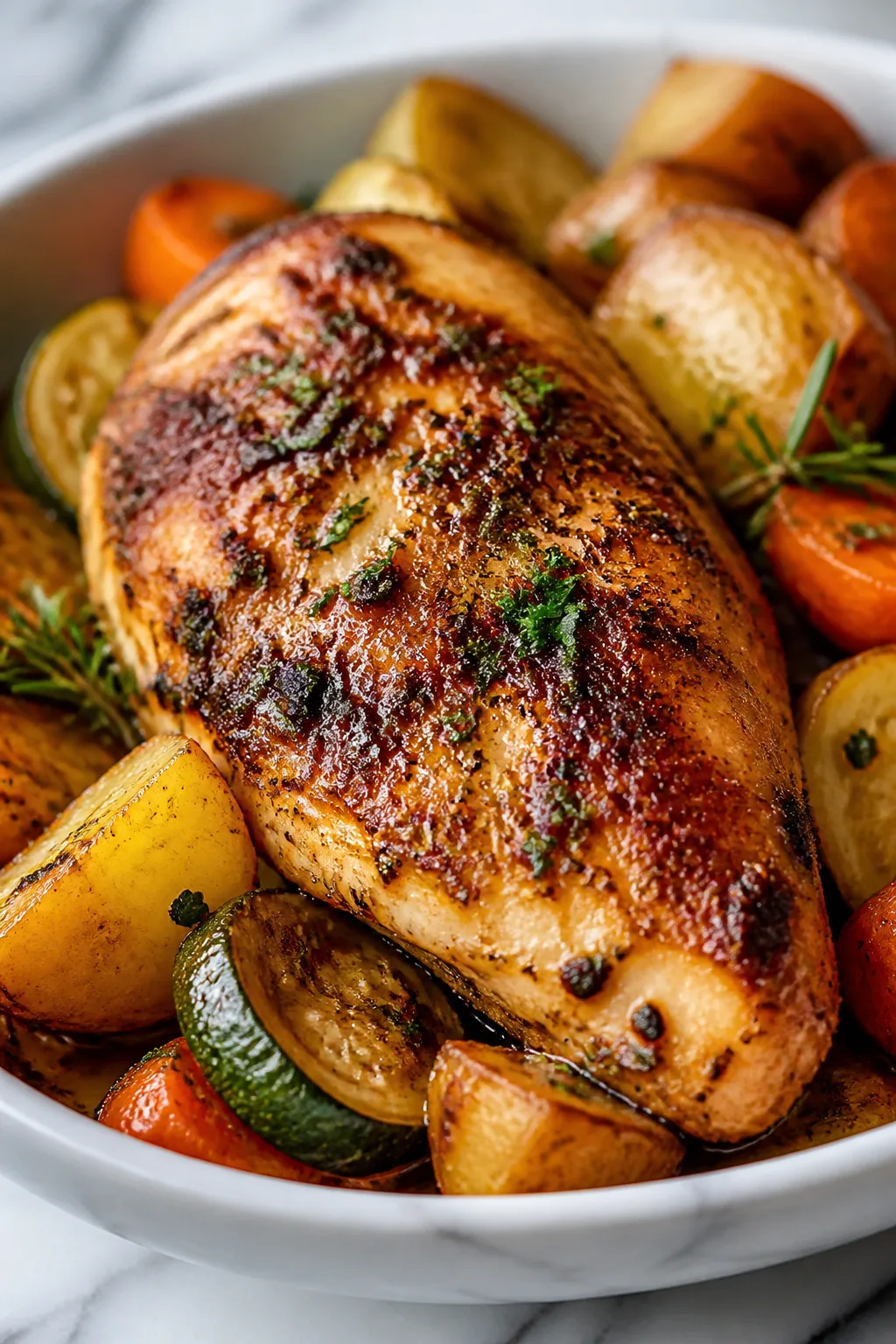
This lemon herb roasted chicken recipe centers on creating juicy, tender meat paired with a crisp, flavorful skin. The balance of lemon zest, garlic, and herbs combined with the right roasting temperature and timing delivers a satisfying texture and aroma. Understanding how citrus oils and garlic interact with the chicken skin helps home cooks replicate this classic dish successfully.
Introduction
One of my go-to dishes for cooler evenings is lemon herb roasted chicken. I first learned to roast a whole bird years ago, and the moment I discovered how crucial the skin drying and seasoning steps are, the results changed dramatically. This version uses a simple rub of lemon zest, garlic, and fresh herbs to infuse the skin with bright, savory notes while ensuring the meat stays juicy beneath a crisp, golden crust. I find this recipe works well for Sunday dinners or casual gatherings where the aroma filling the kitchen sets the mood. The method balances the acidity from lemon with the earthy herbs, making every bite layered yet approachable. Below, I share the reasoning behind each step to help you roast a chicken that’s tender inside with skin that crackles delightfully.
What You'll Need
One whole roasted chicken, about 3.5 to 4 lbs (1.6 to 1.8 kg)
- 1 whole chicken (3.5 to 4 lbs / 1.6 to 1.8 kg), patted dry
- 2 lemons, zested and halved
- 4 cloves garlic, minced
- 2 tbsp (30 ml) olive oil
- 1 tbsp (15 ml) unsalted butter, melted
- 1 tbsp (15 g) fresh rosemary, finely chopped (or 1 tsp dried)
- 1 tbsp (15 g) fresh thyme leaves (or 1 tsp dried)
- 1 tsp (5 g) kosher salt
- 1/2 tsp (1 g) freshly ground black pepper
- Optional: 1 tsp (5 g) smoked paprika for subtle warmth
How To Do It
Step 1
Remove the chicken from the refrigerator 30 minutes before cooking. This allows it to come closer to room temperature, promoting even cooking. Meanwhile, pat the skin thoroughly dry with paper towels, including inside the cavity.
⏱ Time: 30 minutes
✓ Doneness: Chicken is cool but not cold to the touch; skin feels dry and slightly tacky after patting.
Step 2
Preheat your oven to 425°F (220°C). Line a roasting pan with foil or place a rack inside to elevate the chicken, allowing air circulation underneath for even heat distribution.
⏱ Time: 10 minutes
✓ Doneness: Oven reaches full temperature as indicated by preheat signal.
Step 3
In a small bowl, combine olive oil, melted butter, minced garlic, lemon zest, chopped rosemary, thyme, salt, pepper, and smoked paprika if using. Mix until well incorporated.
⏱ Time: 5 minutes
✓ Doneness: Rub is uniform with visible herb pieces and lemon zest.
Step 4
Rub the mixture evenly over the entire chicken skin and inside the cavity. Place the halved lemons inside the cavity to provide additional aroma and moisture during roasting.
⏱ Time: 5 minutes
✓ Doneness: Chicken skin is coated with a thin, even layer of the rub; cavity filled with lemon halves.
Step 5
Tuck the wing tips under the body and tie the legs together with kitchen twine to promote even cooking and maintain shape.
⏱ Time: 2 minutes
✓ Doneness: Chicken is compact with wings and legs secured.
Step 6
Place the chicken on the rack in the roasting pan and transfer to the oven. Roast for about 60-70 minutes, or until the internal temperature in the thickest part of the thigh reaches 165°F (74°C). Avoid opening the oven frequently to maintain consistent heat.
⏱ Time: 60-70 minutes
✓ Doneness: Skin is deep golden brown and crisp; juices run clear when pierced; thermometer reads 165°F (74°C).
Step 7
Remove the chicken from the oven and tent loosely with foil. Let rest for 10-15 minutes before carving. Resting allows juices to redistribute, ensuring moist meat.
⏱ Time: 10-15 minutes
✓ Doneness: Chicken’s temperature stabilizes, skin remains crispy, meat is tender and juicy.
Step 8
Carve the chicken and serve immediately. The skin should crackle pleasingly under the knife, and the meat should be tender with citrus and herb aroma.
⏱ Time: 0 minutes (serving)
✓ Doneness: Meat is moist, skin crisp, and aroma fresh and herbaceous.
Pro Tips
Dry the chicken skin well before applying the rub.
Removing surface moisture prevents steaming, which inhibits browning. Dry skin crisps better and holds seasoning more effectively.
Use a combination of butter and olive oil in the rub.
Butter adds flavor and helps brown the skin, while olive oil raises the smoke point and helps herbs and lemon zest adhere evenly.
Roast at a relatively high temperature (425°F/220°C) without opening the oven door.
This temperature crisps the skin quickly while cooking the meat evenly. Opening the door causes heat loss, which can affect cooking time and texture.
Let the chicken rest after roasting.
Resting allows juices, forced toward the center by heat, to redistribute back through the meat, resulting in juicier slices.
Place lemons inside the cavity rather than squeezing juice over the skin.
Lemon juice on the skin can cause it to soften and prevent crisping. Whole lemon halves release steam and aroma gently during roasting.
Common Mistakes to Avoid
Roasting chicken straight from the fridge without resting.
Why it happens Impatience or lack of planning leads to uneven cooking and longer roast times.
Fix Remove chicken from fridge 30 minutes before roasting to promote even cooking and better texture.
Skipping the skin drying step.
Why it happens Overlooked because it seems trivial, but moisture on the skin causes it to steam rather than crisp.
Fix Pat skin thoroughly dry with paper towels before seasoning.
Roasting at too low temperature to avoid browning.
Why it happens Fear of burning prevents cooks from using heat needed for crisp skin.
Fix Use 425°F (220°C) for roasting to develop color and texture; monitor closely rather than reduce temperature.
Applying lemon juice directly on skin before roasting.
Why it happens Assuming lemon juice adds flavor without considering its effect on skin texture.
Fix Use lemon zest in the rub and place lemon halves inside cavity instead of juice on skin.
Variations
Herb and Citrus Butter Roasted Chicken
Mix softened butter with lemon zest, garlic, and herbs, then gently loosen the skin and spread the butter mixture underneath before roasting.
Note: Butter under the skin melts into the meat during roasting, adding moisture and flavor while helping skin crisp on top.
Dairy-Free Olive Oil and Herb Rub
Omit butter and increase olive oil slightly, adding smoked paprika and fresh oregano for a different herb profile.
Note: Using only olive oil raises the smoke point and keeps the dish dairy-free while maintaining browning and moisture.
Spicy Lemon Herb Chicken
Add 1 tsp cayenne pepper and 1 tsp smoked paprika to the rub for a gentle heat that complements the citrus and herbs.
Note: Spices should be balanced with acidity and fat to avoid overpowering the chicken’s natural flavor.
Whole Roasted Chicken with Garlic and Shallots
Roast additional whole garlic cloves and halved shallots around the chicken in the pan for added aroma and flavor in the pan juices.
Note: Vegetables in the roasting pan caramelize and infuse the juices, which can be used for a simple pan sauce.
Slow Roasted Low and Slow Chicken
Roast the chicken at 300°F (150°C) for a longer time (about 2 hours) after initially browning skin under the broiler for 5 minutes.
Note: This method yields extremely tender meat but requires careful monitoring to maintain crisp skin.
Nutrition
Per Serving:
approximately 450
Calories
These values are estimates based on a 3.75 lb chicken with skin and the described seasoning. Values may vary depending on chicken size and exact ingredient amounts.
Storage & Tips
Room Temperature
Do not leave cooked chicken at room temperature for more than 2 hours. Transfer leftovers to shallow containers to cool quickly.
Refrigerator
Store cooled chicken in airtight containers for up to 3-4 days. Keep skin separate if possible to maintain crispness.
Freezer
Freeze cooked chicken in airtight containers or heavy-duty freezer bags for up to 3 months. Remove skin before freezing if preferred to preserve texture upon reheating.
Reheating
Reheat gently in a 325°F (160°C) oven covered with foil to prevent drying, about 15-20 minutes. For crisp skin, uncover during the last 5 minutes. Avoid microwave reheating which can dry meat.
Make Ahead
Prepare the herb and lemon zest rub up to 24 hours ahead and refrigerate. Pat the chicken dry and apply rub just before roasting for freshest flavor and best skin texture.
FAQ
Can I make lemon herb roasted chicken ahead of time?
Yes, you can prepare the rub ahead and refrigerate it. Applying the rub and roasting the chicken just before serving yields the best texture and flavor.
Why is my chicken skin not crispy after roasting?
Most often, this happens because the skin was not dried properly or the oven temperature was too low. Make sure to pat the chicken dry and roast at 425°F (220°C).
Can I use dried herbs instead of fresh in this recipe?
Yes, dried herbs work but use about one-third the amount of fresh herbs. Be mindful that dried herbs release flavor more slowly, so add them early in the rub.
How long does roasted chicken last in the fridge?
Properly stored in airtight containers, cooked chicken can last up to 3-4 days in the refrigerator.
Can I use lemon juice instead of zest for flavor?
Lemon juice is more acidic and moist, which can soften the skin and prevent crisping. Using zest and halved lemons inside the cavity preserves skin texture and imparts aroma.
What is the best way to reheat leftover roasted chicken?
Reheat gently in a moderate oven (325°F/160°C), covered to retain moisture. Uncover near the end to restore skin crispness. Avoid microwaving to prevent dryness.
Final Thoughts
Roasting a whole chicken with lemon and herbs is approachable once you understand the importance of drying the skin, balancing heat, and layering flavor. I hope these insights help you create a satisfying meal that fills your kitchen with inviting aromas and offers tender meat with crisp skin. Feel free to share your experience or ask questions in the comments.