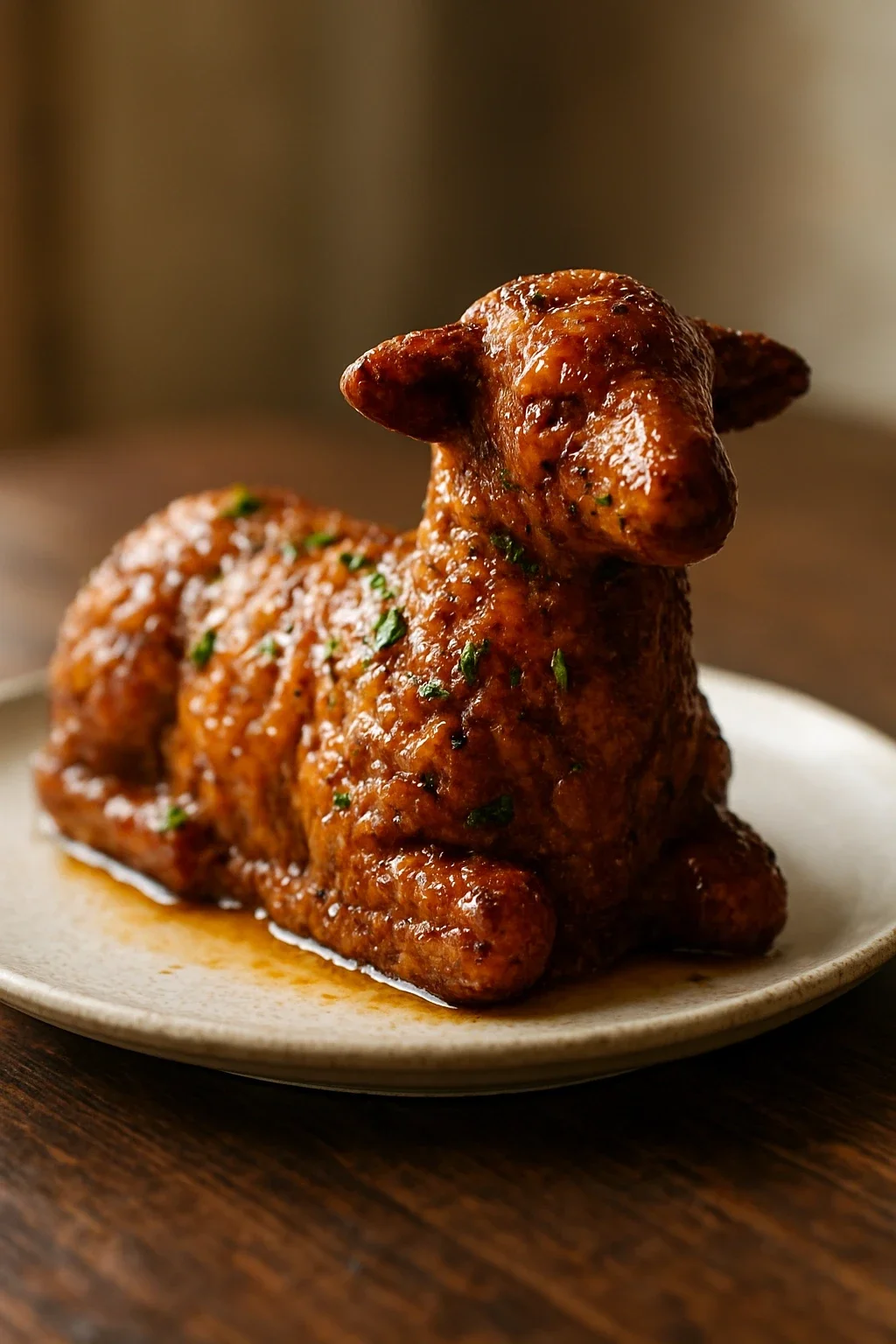
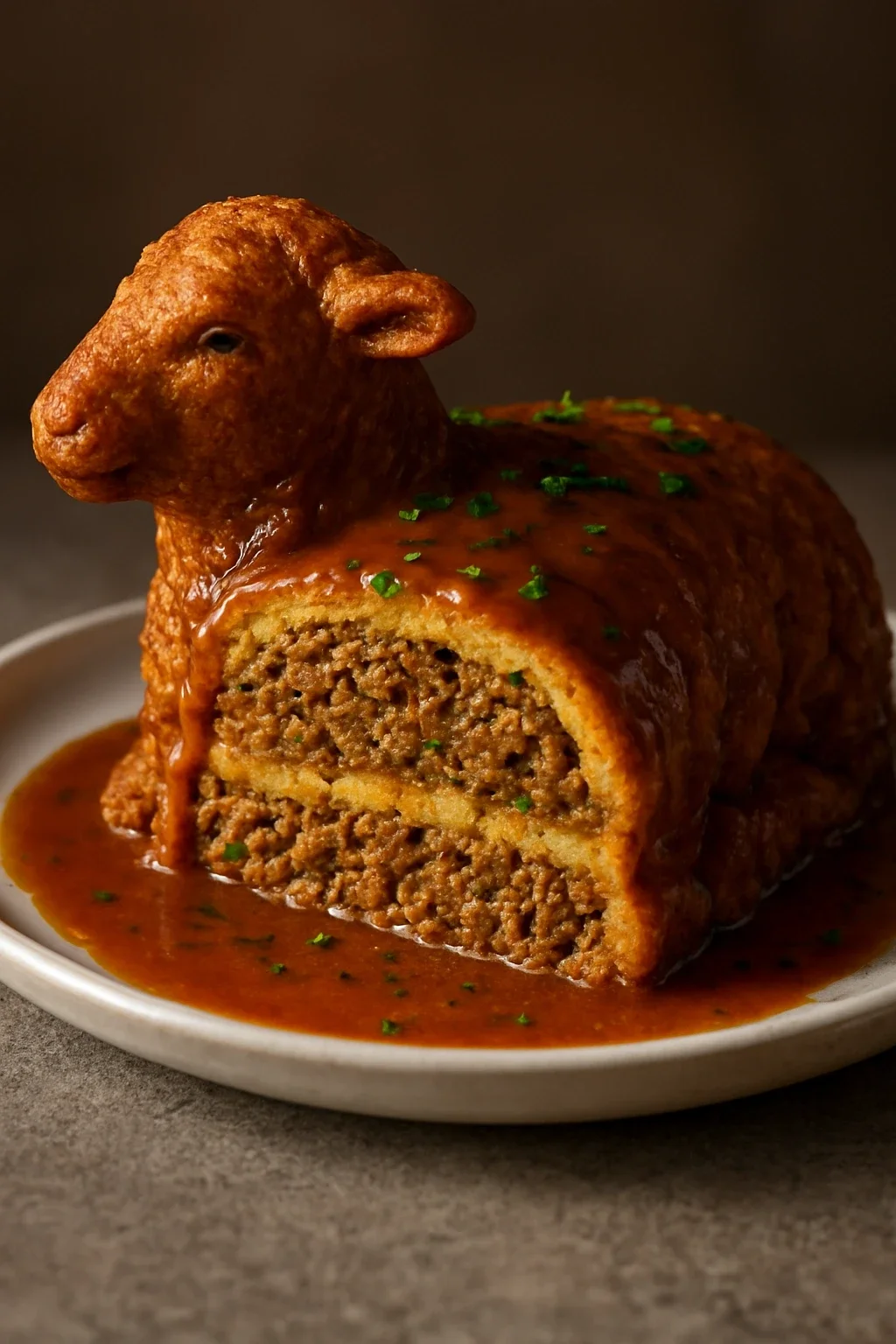
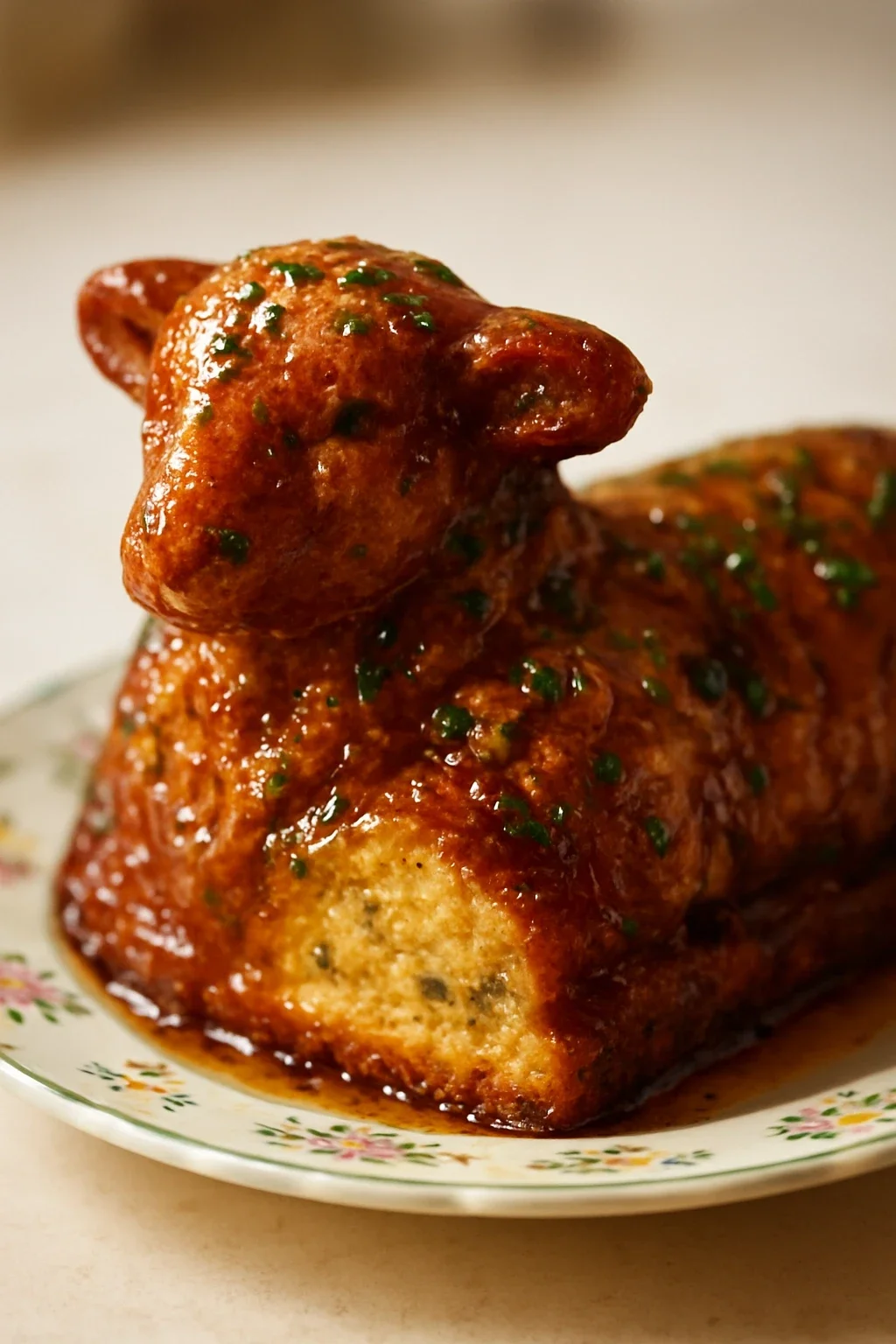
This Easter lamb cake recipe offers a tender, moist sponge shaped into a charming lamb and generously frosted with creamy buttercream. It captures the nostalgic feel of spring gatherings while balancing light sweetness and a soft texture that’s satisfying without being heavy. The cake is ideal for family celebrations and seasonal brunches.
Introduction
Whenever spring approaches, I find myself drawn to this traditional Easter lamb cake that my grandmother used to prepare. The process of baking the sponge in a lamb-shaped mold always brings a sense of nostalgia, and the soft, warm aroma of vanilla and butter filling the kitchen is a comforting reminder of family gatherings. What distinguishes this version is the careful attention to the sponge texture—light yet moist—and the smooth buttercream frosting that isn’t overly sweet, allowing the cake’s subtle flavors to shine. It’s a recipe I’ve tested numerous times, adjusting ingredient proportions to achieve the ideal crumb and frosting consistency. This cake works well for Easter brunches or any springtime occasion where a tender, lightly sweetened dessert feels just right. Below, I’ll share the step-by-step method that consistently delivers a tender crumb and well-balanced frosting.
What You'll Need
One lamb-shaped cake, approximately 8 servings
- component
- Sponge Cake
- items
- 200g (1 cup) granulated sugar
- 4 large eggs, at room temperature
- 200g (1 2/3 cups) all-purpose flour, sifted
- 2 tsp (8g) baking powder
- 100ml (7 tbsp) whole milk, warm
- 100g (7 tbsp) unsalted butter, melted and cooled
- 1 tsp (5ml) vanilla extract
- Pinch of salt
- component
- Buttercream Frosting
- items
- 150g (2/3 cup) unsalted butter, softened
- 300g (2 1/2 cups) powdered sugar, sifted
- 2 tbsp (30ml) whole milk
- 1 tsp (5ml) vanilla extract
- Optional: food coloring for decoration
How To Do It
Step 1
Preheat the oven to 175°C (350°F). Grease the lamb-shaped cake mold thoroughly with butter, then dust lightly with flour to prevent sticking. Set aside.
⏱ Time: 10 minutes
✓ Doneness: Mold is evenly greased and floured with no excess powder remaining
Step 2
In a large bowl, beat the eggs and granulated sugar together using an electric mixer on high speed until the mixture is pale, thick, and triples in volume—about 5-7 minutes. The batter should form ribbons when the beaters are lifted.
⏱ Time: 5-7 minutes
✓ Doneness: Mixture is pale yellow, thick, and holds its shape briefly when lifted
Step 3
In a separate bowl, sift together flour, baking powder, and salt. Gradually fold the dry ingredients into the egg mixture in three additions using a spatula, employing gentle folding motions to preserve air. Avoid overmixing.
⏱ Time: 3-5 minutes
✓ Doneness: Batter is smooth with no visible flour pockets, light and airy texture maintained
Step 4
Warm the milk gently and stir in the melted butter along with the vanilla extract. Slowly pour this liquid mixture into the batter, folding carefully until just combined. The batter should remain light and slightly glossy.
⏱ Time: 2-3 minutes
✓ Doneness: Batter is homogeneous with a slightly fluid consistency but still aerated
Step 5
Pour the batter into the prepared lamb mold, smoothing the surface evenly with a spatula. Tap the mold lightly on the counter to release any large air bubbles.
⏱ Time: 5 minutes
✓ Doneness: Batter fills mold evenly without large bubbles or gaps
Step 6
Bake in the preheated oven for 30-35 minutes. Check doneness by inserting a toothpick into the thickest part of the cake; it should come out clean or with a few moist crumbs. The cake surface should be lightly golden and spring back gently when touched.
⏱ Time: 30-35 minutes
✓ Doneness: Toothpick inserted comes out clean, cake edges lightly golden, surface springs back to touch
Step 7
Allow the cake to cool in the mold for 10-15 minutes before gently unmolding onto a wire rack to cool completely. Cooling completely prevents the buttercream from melting when applied.
⏱ Time: 30-45 minutes cooling
✓ Doneness: Cake is fully cooled to room temperature, firm but tender to touch
Step 8
To prepare the buttercream, beat the softened butter on medium speed until creamy and pale, about 3-5 minutes. Gradually add sifted powdered sugar in batches, mixing well after each addition. Add vanilla extract and milk, adjusting for desired consistency. Beat on high for a final 2-3 minutes to incorporate air.
⏱ Time: 10 minutes
✓ Doneness: Buttercream is smooth, fluffy, and spreads easily without being runny
Step 9
Frost the cooled lamb cake evenly using a spatula or piping bag to create the desired texture and detail. Add any optional decorations or coloring at this point. Chill briefly to set the frosting if needed.
⏱ Time: 15-20 minutes
✓ Doneness: Frosting holds shape, surface is matte and smooth without melting or separation
Pro Tips
Use room temperature eggs for batter preparation.
Room temperature eggs whip up more easily and trap more air, creating a lighter, more aerated batter which translates into a tender crumb.
Sift dry ingredients before adding to the batter.
Sifting eliminates lumps and evenly distributes baking powder, ensuring an even rise and a fine crumb texture without dense spots.
Avoid overmixing once flour is added.
Overmixing develops gluten, which makes the cake tough rather than soft. Gentle folding preserves air bubbles essential for a light texture.
Cool the cake completely before frosting.
Applying buttercream on a warm cake causes the frosting to melt and become runny, affecting the appearance and texture.
Use a light hand when folding liquid ingredients into the batter.
Incorporating melted butter and milk gently prevents deflating the whipped eggs, maintaining the batter’s volume and resulting in a moist, tender cake.
Grease and flour the mold thoroughly.
This prevents sticking and allows for a clean release that preserves the lamb’s intricate shape and detail.
Common Mistakes to Avoid
Using cold eggs straight from the fridge.
Why it happens Cold eggs do not whip as efficiently, resulting in less volume and a denser, heavier cake.
Fix Let eggs sit at room temperature for 30 minutes before beating.
Overmixing batter after adding flour.
Why it happens Mixing too vigorously develops gluten, making the cake tough and chewy instead of tender.
Fix Fold dry ingredients gently with a spatula just until combined.
Applying frosting on a warm cake.
Why it happens Warm cake melts the buttercream, causing it to become runny and lose structure.
Fix Ensure the cake is completely cool before frosting.
Not greasing and flouring the mold properly.
Why it happens Insufficient preparation causes the cake to stick, damaging the shape when unmolding.
Fix Use softened butter and a light dusting of flour, tapping out excess before pouring batter.
Variations
Gluten-Free Lamb Cake
Replace all-purpose flour with a gluten-free blend that contains xanthan gum. Baking powder should be gluten-free as well.
Note: Gluten-free flours behave differently and often require extra moisture; adding 1-2 tablespoons of yogurt or applesauce can help maintain tenderness.
Vegan Version
Use flax eggs (1 tbsp ground flaxseed mixed with 3 tbsp water per egg) and substitute dairy milk and butter with plant-based alternatives.
Note: Vegan butters and milks can alter texture slightly; careful mixing and slightly longer baking times may be necessary.
Lemon-Infused Buttercream
Add 1-2 teaspoons of freshly grated lemon zest and 1 tablespoon lemon juice to the buttercream for a fresh citrus note.
Note: Adding lemon juice thins the frosting; adjust powdered sugar quantity to maintain spreadable consistency.
Chocolate Buttercream Frosting
Stir in 2-3 tablespoons unsweetened cocoa powder to the buttercream while beating for a rich chocolate flavor.
Note: Cocoa powder absorbs moisture; increase milk slightly to retain smooth texture.
Mini Lamb Cupcakes
Use a mini lamb mold or silicone cupcake liners and reduce baking time to 15-20 minutes. Frost individually for easier serving.
Note: Smaller portions bake faster; test doneness early to avoid overbaking and drying out.
Nutrition
Per Serving:
approximately 320
Calories
Values are estimates and may vary based on ingredient brands and specific measurements used. Nutritional values assume standard unsalted butter and whole milk.
Storage & Tips
Room Temperature
Store the cake covered at room temperature away from direct sunlight for up to 1 day. Exposure to air can dry the sponge and cause the frosting to harden.
Refrigerator
Keep the cake in an airtight container or covered loosely with plastic wrap in the fridge for up to 3 days. Cold storage firms up the buttercream, so allow the cake to come to room temperature before serving for best texture.
Freezer
Wrap the unfrosted cake tightly in plastic wrap and aluminum foil, then freeze for up to 2 months. Thaw in the refrigerator overnight and frost once fully thawed. Freezing after frosting is not recommended as the buttercream texture may degrade.
Reheating
This cake is best served at room temperature and is not typically reheated. If desired, gently warm a slice in the microwave for 10-15 seconds to soften.
Make Ahead
Bake the sponge cake a day in advance and store wrapped at room temperature. Prepare the buttercream separately, then frost the cake on the day of serving to ensure the freshest texture and appearance.
FAQ
Can I make the Easter lamb cake ahead of time?
Yes, the sponge can be baked a day ahead and stored wrapped tightly. Frosting is best applied on the day you plan to serve to keep it fresh.
Why is my cake dense instead of light and fluffy?
This usually happens if the eggs were too cold or if the batter was overmixed after adding flour. Use room temperature eggs and fold the dry ingredients gently.
Can I substitute butter with oil in the sponge?
Butter is preferred for flavor and structure, but you can substitute with a neutral oil. The crumb will be more moist but less rich in flavor.
How long does the frosted cake last in the fridge?
When stored in an airtight container, the frosted cake keeps well for up to 3 days. Bring to room temperature before serving for best texture.
Can I use a different shape mold instead of lamb?
Absolutely. This recipe works well in most shaped cake molds, just adjust baking time depending on size and depth.
How can I prevent the frosting from becoming too soft?
Make sure the butter is properly softened but not melted before whipping. Refrigerate the frosted cake if your kitchen is warm to help the frosting set.
Final Thoughts
This Easter lamb cake has been a meaningful part of my springtime baking for years. The balance of a tender sponge with smooth buttercream captures the essence of the season and brings a feeling of home to the table. I’d love to hear your experiences or any adaptations you try with this recipe.