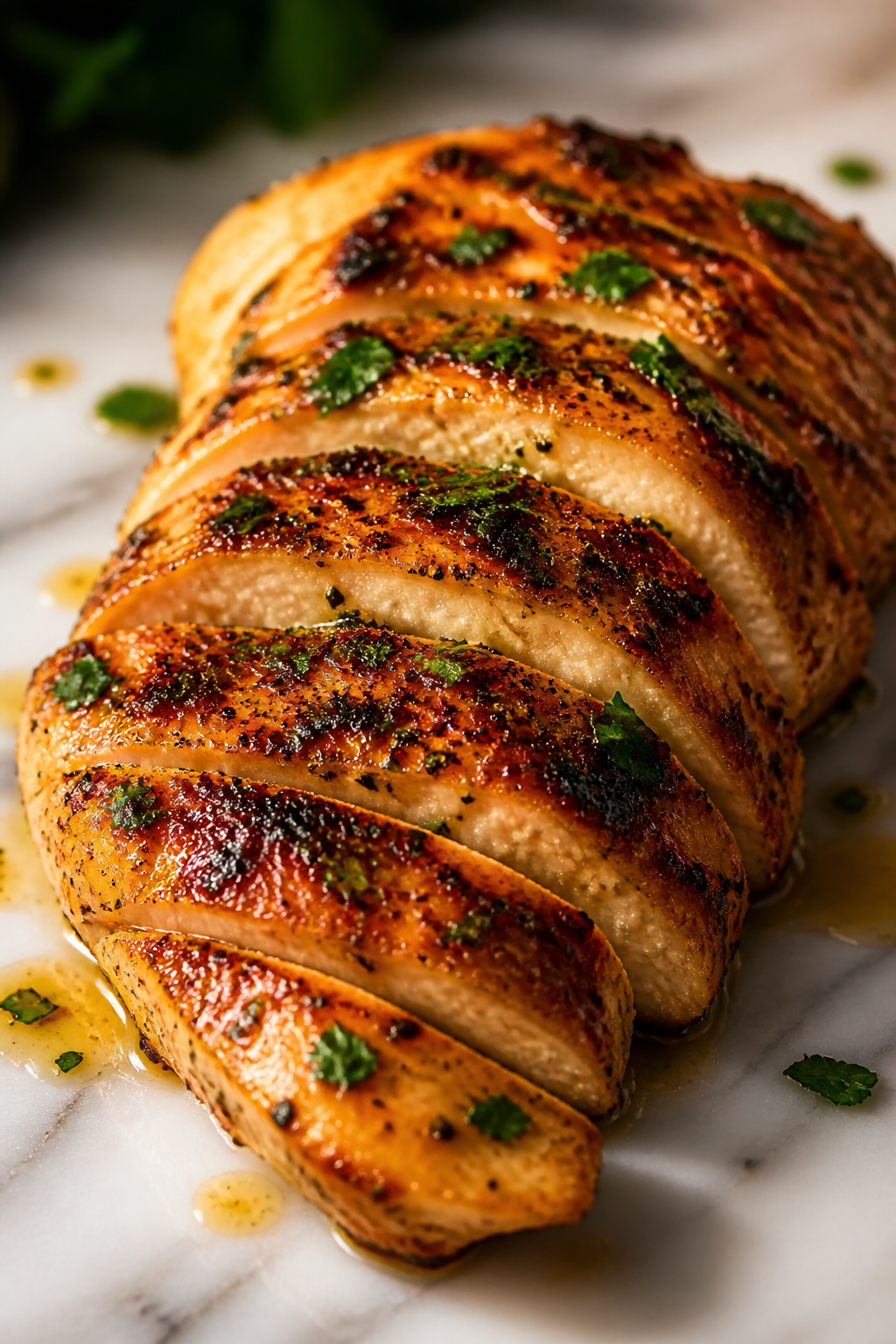
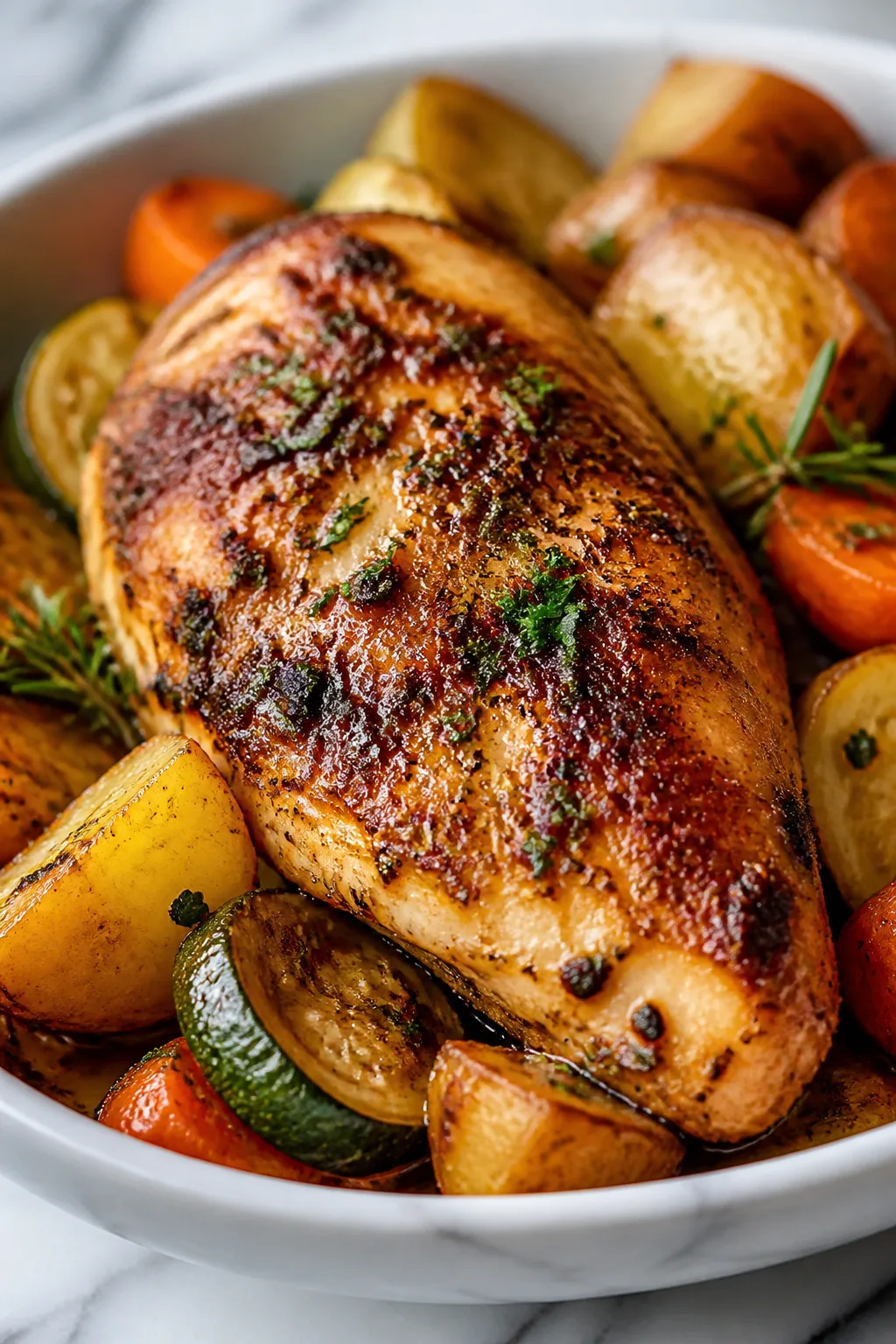
This grilled chicken is a quick, tasty dinner with fresh herbs and a splash of citrus that really lifts the flavors. It’s perfect for casual family nights or weekend cookouts. You'll love how bright and juicy it turns out!
Introduction
I first made this grilled chicken on a busy summer evening when I wanted something fast but still packed with flavor. What I love about this recipe is how fresh herbs and a splash of citrus completely transform simple chicken breasts into something juicy and vibrant. The trick I learned early on is to pound the chicken to an even thickness so it cooks evenly and stays tender. Also, marinating it briefly in olive oil, garlic, and fresh herbs helps infuse those bright flavors without needing hours. When it’s done, you get this lovely golden char on the outside with a juicy, herby inside that feels like a little celebration on your plate. It’s become my go-to for quick family dinners or casual weekend grilling, especially when I want something that tastes special but doesn’t require a ton of fuss in the kitchen. Honestly, the first time I tried it I was worried the citrus might be overpowering, but it’s just enough to brighten everything up and keep the chicken juicy. If you love simple, fresh meals that come together quickly, this one’s definitely worth trying.
How To Do It
Step 1
Start by pounding the chicken breasts to an even thickness of about 1/2 inch. This step is crucial because it helps the chicken cook evenly and prevents the thinner parts from drying out while the thicker parts finish cooking. Use a meat mallet or rolling pin and gently tap until the chicken is uniform. This technique ensures juicy, tender meat every time and avoids those frustrating dry edges.
⏱ Time: 5 minutes
✓ Doneness: Chicken breasts are flattened evenly with no thin or thick spots.
Step 2
In a bowl, whisk together lemon juice, lime juice, olive oil, minced garlic, chopped rosemary, chopped thyme, salt, and pepper. This marinade combines acidity from the citrus with the aromatic herbs and oil to tenderize and flavor the chicken. Mixing well ensures every bite will be infused with fresh, bright notes. Don’t skip this step because the marinade is what brings the whole dish alive.
⏱ Time: 5 minutes
✓ Doneness: Marinade is well combined and aromatic.
Step 3
Place the pounded chicken breasts in a shallow dish or resealable bag and pour the marinade over them. Make sure each piece is well coated. Marinate in the fridge for at least 15 minutes, but no longer than 2 hours. Marinating too long can start to 'cook' the chicken due to the citrus acids, leading to a mushy texture. This short marination is enough to add flavor and moisture without compromising the texture.
⏱ Time: 15 minutes to 2 hours
✓ Doneness: Chicken is evenly coated and slightly glossy from the marinade.
Step 4
Preheat your grill or grill pan over medium-high heat until hot. A properly heated grill sears the chicken quickly, locking in juices and creating those beautiful grill marks. If the grill isn’t hot enough, the chicken will stick and dry out. Make sure it’s sizzling before you add the chicken.
⏱ Time: 5 minutes
✓ Doneness: Grill surface is hot enough to hear a sizzle when chicken touches it.
Step 5
Remove chicken from marinade, letting excess drip off, and place on the grill. Cook without moving for about 5-7 minutes per side depending on thickness. Resist the urge to flip too soon — letting the grill marks form and chicken release naturally is key for perfect texture. Frequent flipping can cause uneven cooking and dryness.
⏱ Time: 10-14 minutes
✓ Doneness: Chicken releases easily from grill and has nice grill marks.
Step 6
Use a meat thermometer to check for doneness; the internal temperature should reach 165°F (74°C). This ensures the chicken is safe to eat but still juicy. Overcooking dries it out, so keep a close eye during the last few minutes. If you don’t have a thermometer, cut into the thickest part and check that juices run clear.
⏱ Time: 2 minutes
✓ Doneness: Internal temperature reads 165°F or juices run clear.
Step 7
Once cooked, transfer chicken to a plate and let it rest for 5 minutes. Resting allows the juices to redistribute throughout the meat, making each bite tender and juicy. Skipping this step means the juices will run out when you slice it, leaving the chicken dry.
⏱ Time: 5 minutes
✓ Doneness: Chicken feels warm and juices settle, not running when cut.
Step 8
Slice the chicken against the grain for the best texture. Cutting against the muscle fibers shortens them, making the chicken easier to chew and more tender. Cutting with the grain results in stringy, tougher bites.
⏱ Time: 2 minutes
✓ Doneness: Slices reveal tender, moist meat with visible grain.
Step 9
Serve immediately with your favorite sides like grilled veggies, a fresh salad, or rice. The fresh herbs and citrus flavor make it a perfect partner to light, summery sides that keep the meal balanced and refreshing.
⏱ Time: Immediate
✓ Doneness: Dish is plated attractively with vibrant colors and fresh herbs.
Pro Tips
Pat the chicken dry before marinating.
Removing excess moisture helps the marinade stick better and allows the chicken to sear properly on the grill. Wet chicken tends to steam instead of brown, which can lead to a less flavorful crust.
Don’t over-marinate the chicken in citrus.
Citrus acids break down proteins, which tenderizes the meat but can also make it mushy if left too long. Keeping marination under 2 hours preserves texture while still imparting flavor.
Preheat the grill thoroughly before cooking.
A hot grill sears the meat quickly, locking in juices and creating appetizing grill marks. Insufficient heat causes sticking and uneven cooking, resulting in dry, tough chicken.
Use a meat thermometer to check doneness.
Chicken is safe to eat at 165°F but overcooking dries it out. A thermometer ensures perfect juiciness and avoids guesswork, especially for thicker cuts.
Let the chicken rest after grilling.
Resting redistributes juices that get pushed to the center during cooking. Cutting immediately causes those juices to spill out, drying the meat.
Slice against the grain for tenderness.
Cutting across muscle fibers shortens them, making the chicken easier to chew and more tender. Slicing with the grain results in stringy, tougher bites.
Add fresh herbs right before grilling.
Herbs can burn if exposed to high heat too long, turning bitter. Marinating with herbs infuses flavor, but avoid adding extra herbs on top while cooking.
Common Mistakes to Avoid
Not pounding chicken evenly
Why it happens Many assume chicken cooks evenly regardless of thickness, but natural variations cause uneven cooking.
Fix Use a meat mallet or rolling pin to gently pound chicken breasts to uniform thickness, about 1/2 inch. This step ensures even cooking and prevents dry or undercooked parts.
Marinating too long in citrus
Why it happens People think more marinating means more flavor, but citrus acids break down proteins and can turn meat mushy.
Fix Limit citrus marination to 15 minutes up to 2 hours. For longer marination, reduce or omit citrus to maintain texture.
Grilling on low heat
Why it happens Some grills don’t get hot enough or cooks fear burning, leading to lower temperatures.
Fix Preheat grill to medium-high heat before cooking. This produces a good sear and juicy interior. Avoid flipping too often.
Skipping resting time
Why it happens Impatience to serve leads to cutting chicken right off the grill.
Fix Let grilled chicken rest for 5 minutes on a plate tented loosely with foil. This step locks in juices and improves tenderness.
Cutting with the grain
Why it happens Not everyone knows to identify muscle grain direction, leading to tougher bites.
Fix Look closely at the chicken fibers and slice perpendicular to the grain to ensure tender pieces.
Variations
Spicy Herb Citrus Chicken
Add 1 teaspoon of chili flakes or cayenne pepper to the marinade for a spicy kick. This variation keeps the fresh herb and citrus notes but adds warmth and heat, perfect for those who like a little fire in their meals.
Note: Spices can burn on the grill, so watch closely and flip as needed to prevent charring.
Honey Citrus Glazed Chicken
Stir 2 tablespoons of honey into the marinade for a sweet glaze that caramelizes beautifully on the grill. The honey balances acidity and creates a sticky, flavorful crust with a touch of sweetness.
Note: Honey burns quickly, so grill over medium heat and monitor closely during cooking.
Mediterranean Herb Mix
Swap rosemary and thyme for oregano and basil to give the chicken a Mediterranean twist. This changes the herb profile for a slightly sweeter, earthier flavor that pairs well with olives and feta sides.
Note: Fresh herbs work best; dried herbs can overpower if used in the same quantity.
Grilled Chicken with Citrus Yogurt Marinade
Mix citrus juice with Greek yogurt and herbs for a tangy marinade that tenderizes and adds creaminess. This results in an ultra-moist chicken with a subtle tang and soft texture.
Note: Yogurt-based marinades require shorter marination times (1-2 hours) to avoid overly soft texture.
Cilantro Lime Grilled Chicken
Replace rosemary and thyme with fresh cilantro and increase lime juice for a bright, zesty flavor with a hint of warmth from garlic. This variation is great for pairing with Mexican or Southwestern sides.
Note: Cilantro bruises easily; chop gently and add just before marinating.
Nutrition
Per Serving:
Nutritional values are estimates and may vary based on specific ingredients used.
Storage & Tips
Room Temperature
Grilled chicken should not be left out at room temperature for more than 2 hours. Cover loosely with foil if serving buffet-style to keep it warm but avoid bacterial growth.
Refrigerator
Store leftover grilled chicken in an airtight container in the fridge for up to 3 days. The flavor remains good but texture can dry slightly. Reheat gently or serve cold in salads or sandwiches for best results.
Freezer
Wrap chicken tightly in plastic wrap and foil or place in freezer bags to prevent freezer burn. Freeze for up to 3 months. Thaw overnight in the fridge before reheating to preserve texture.
Reheating
Reheat chicken gently on the stovetop over low heat or in the microwave at medium power to avoid drying out. Adding a splash of water or broth helps maintain moisture. Avoid high heat which toughens the meat.
Make Ahead
You can marinate the chicken up to 2 hours ahead and keep it refrigerated. Grill just before serving for best texture and flavor. Alternatively, grill in advance and reheat gently, though fresh grilled is always best.
FAQ
Can I use chicken thighs instead of breasts?
Yes! Chicken thighs are more forgiving and remain juicy even if slightly overcooked. Adjust grilling time to about 6-8 minutes per side depending on thickness. Thighs also pair wonderfully with herb and citrus flavors.
What if I don’t have fresh herbs?
You can substitute dried herbs, but reduce the quantity by half since dried herbs are more concentrated. Fresh herbs provide brighter, more vibrant flavor and aroma, so if possible, try to use fresh for best results.
How long can I marinate the chicken?
Marinate between 15 minutes and 2 hours. Longer marination, especially with citrus, can start to break down the chicken and affect texture, making it mushy. For best balance, keep it brief.
Can I bake this chicken instead of grilling?
Absolutely! Bake in a preheated oven at 400°F (200°C) for 20-25 minutes until internal temperature reaches 165°F. You won’t get grill marks, but the flavors remain delicious.
How do I know when the chicken is done without a thermometer?
Cut into the thickest part and check that the meat is opaque and juices run clear, not pink. The texture should be firm but juicy. Using a meat thermometer is more reliable for perfect results.
Can I prepare the marinade in advance?
Yes, you can make the marinade a day ahead and store it in the fridge. Combine it with the chicken just before marinating. This saves time and allows flavors to meld nicely.
What sides go best with this grilled chicken?
Fresh salads, grilled vegetables, rice pilaf, or roasted potatoes complement the herb and citrus flavors perfectly. Light, summery sides keep the meal balanced and refreshing.
Is it okay to use bottled lemon or lime juice?
While bottled juice works in a pinch, fresh juice has brighter, more natural flavor and aroma. Using fresh citrus really elevates the marinade and final dish.
Can I make this recipe vegan or vegetarian?
For a vegan twist, try marinating and grilling thick slices of tofu or large portobello mushrooms using the same herb and citrus marinade. Cooking times will vary but the flavor profile works well.
What if my grill sticks to the chicken?
Ensure your grill is clean and well-heated before cooking. Lightly brush the grill grates with oil. Also, don’t flip the chicken too early; wait until it naturally releases from the grill to avoid tearing.
Final Thoughts
Give this fresh herb and citrus grilled chicken a try—you’ll love how easy and flavorful it is! Don’t forget to share how it turns out for your next family dinner.