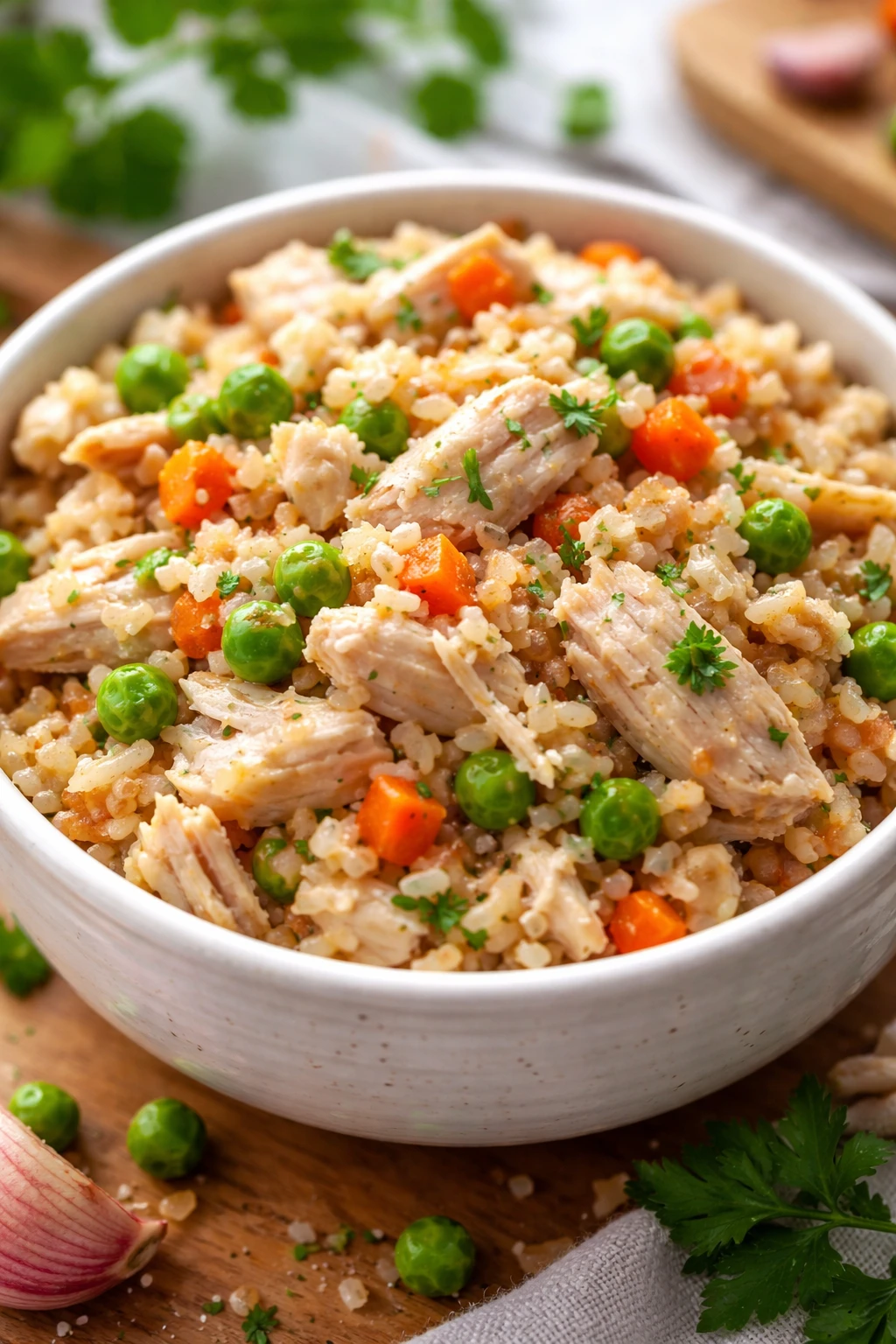
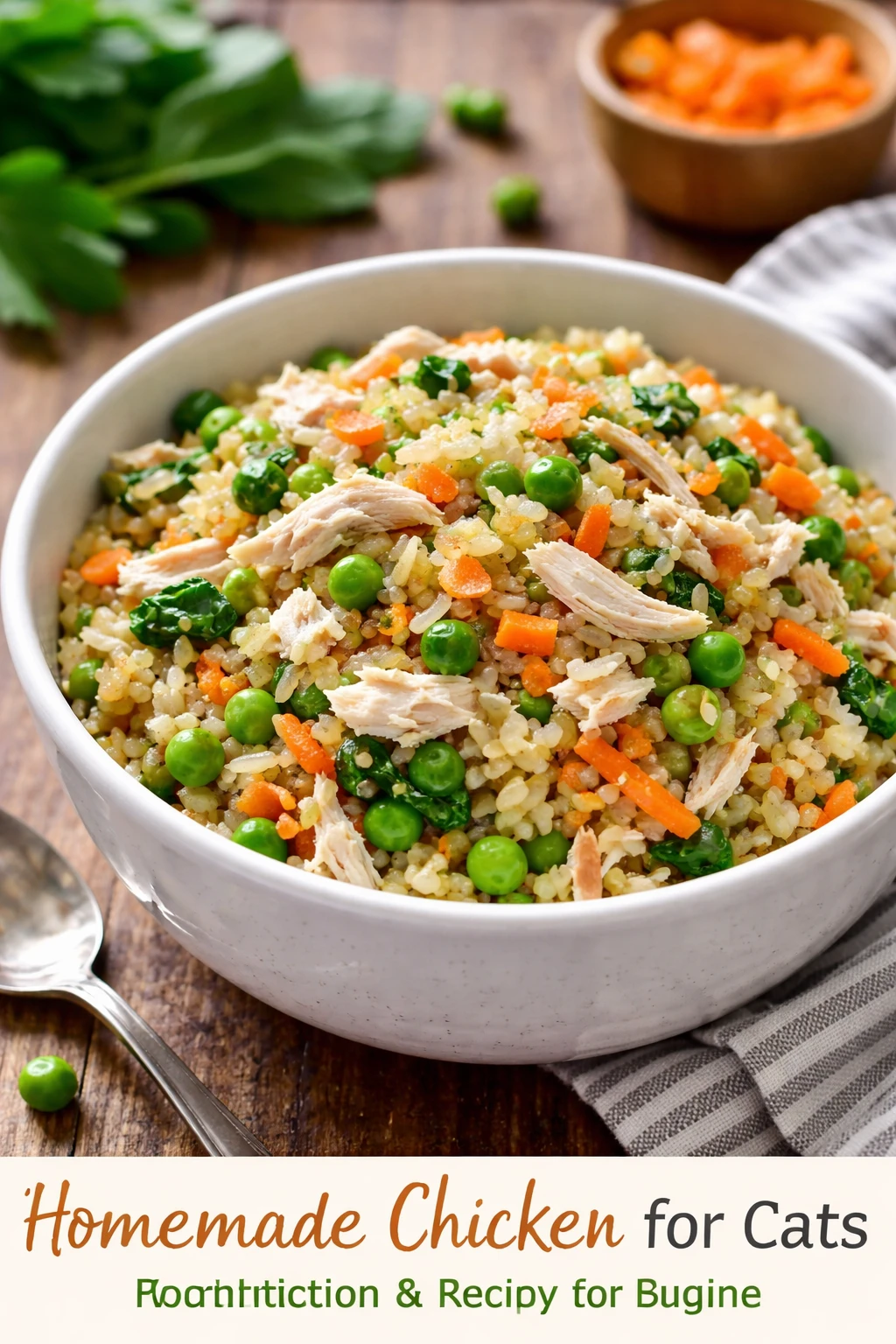
This easy homemade chicken recipe is a wholesome treat for your cat, made with fresh chicken and gentle cooking. It’s perfect for a healthy snack or regular meal to show your furry friend some extra love.
Introduction
I’ve been making this homemade chicken recipe for my cat ever since I realized how many commercial pet foods contain ingredients I’d rather avoid. What I love about this recipe is its simplicity and how gentle it is on my cat’s digestion. It’s just fresh chicken cooked softly with a touch of olive oil and some veggies for extra nutrients. The first time I made it, my cat was instantly hooked — she literally licked the bowl clean! What sets this version apart is the slow simmering technique that keeps the chicken tender and preserves its natural juices, making it super appealing to picky eaters. Plus, adding a bit of pumpkin puree helps with digestion and adds a subtle sweetness cats seem to enjoy. The finished dish is moist, tender, and smells fresh — nothing artificial. It’s a wonderful way to spoil your feline friend with a healthy treat or regular meal that feels homemade and thoughtful. If you’re like me and want control over what your pet eats, this recipe is a great start.
What You'll Need
Approximately 2 small servings, perfect for one or two cats
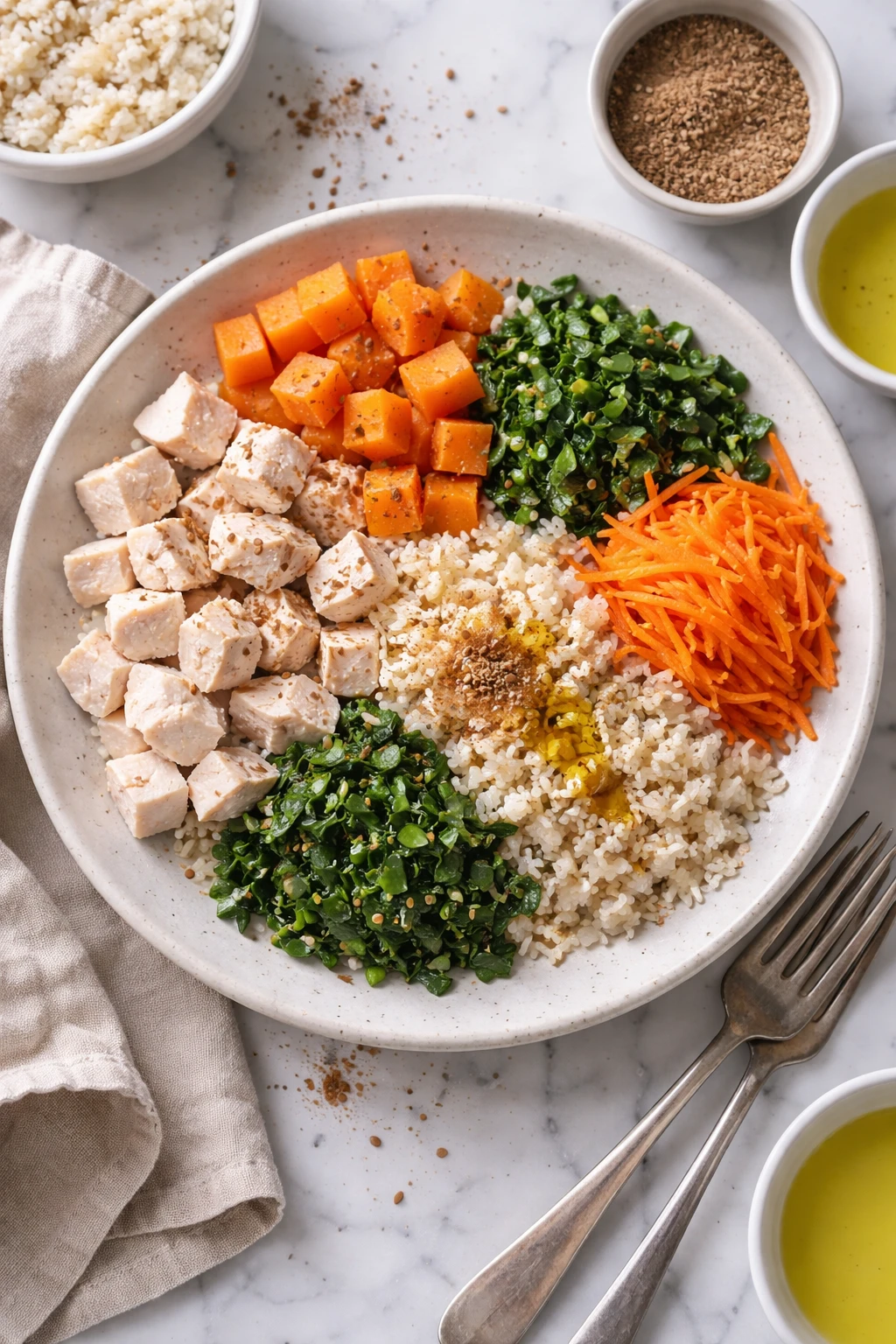
- 1 cup fresh boneless, skinless chicken breast, chopped
- 1/4 cup low-sodium chicken broth
- 1 teaspoon olive oil
- 1 tablespoon finely chopped carrots (optional)
- 1 teaspoon cooked pumpkin puree (optional)
How To Do It
Step 1
Start by chopping the fresh chicken breast into small, bite-sized pieces. This helps the chicken cook evenly and makes it easier for your cat to chew. Avoid using frozen chicken directly as it can release excess water and affect the texture. Use a sharp knife to keep the pieces uniform, which ensures they cook through at the same rate without drying out. Handling the chicken gently also helps preserve its natural juices, which your cat will love. Keep your work surface clean to avoid any cross-contamination.
⏱ Time: 5
✓ Doneness: Chicken pieces look uniformly pale pink before cooking, no large chunks
Step 2
Heat the olive oil in a small saucepan over low heat. Add the chopped chicken pieces and gently sauté them, stirring occasionally. Cooking slowly over low heat prevents the chicken from drying out and keeps it tender and juicy. This slow cooking also preserves nutrients and flavor, which is important for your cat’s enjoyment and health. If you rush this step or use high heat, the chicken can become tough and less appealing. Cook until the chicken is opaque and no longer pink inside.
⏱ Time: 10
✓ Doneness: Chicken is opaque white and tender when pierced with a fork
Step 3
Add the low-sodium chicken broth and bring the mixture to a gentle simmer. The broth adds moisture and flavor, making the dish more appetizing for your cat. Simmering also helps soften the chicken further and blends the flavors. Avoid boiling, which can toughen the meat and reduce nutrient content. Keep the heat low and let it bubble gently for the best texture and taste.
⏱ Time: 5
✓ Doneness: Broth is gently simmering, chicken looks tender and moist
Step 4
If using, stir in the finely chopped carrots and pumpkin puree. These add fiber and nutrients that support your cat’s digestion and overall health. The veggies should be cooked soft to make them easy for your cat to digest. Stir well to combine, and let everything cook together for a few minutes so the flavors meld. Avoid adding any seasoning or onions/garlic, as these are harmful to cats.
⏱ Time: 3
✓ Doneness: Carrots are soft and pumpkin is well blended into the mixture
Step 5
Remove the saucepan from heat and let the mixture cool completely before serving. Cats are sensitive to hot food, and serving it warm but not hot prevents burns and encourages eating. Cooling also helps the flavors settle. You can portion it into small containers for storage or serve immediately. Make sure there are no large chunks that could be a choking hazard.
⏱ Time: 5
✓ Doneness: Mixture is lukewarm and ready to serve without steam
Step 6
Serve the homemade chicken in small portions appropriate for your cat’s size. Freshness is key, so avoid leaving leftovers out for more than two hours to prevent spoilage. Observe your cat’s reaction and adjust portion sizes accordingly. This recipe is meant as a treat or meal supplement, not a full diet replacement unless advised by your vet.
⏱ Time: 0
✓ Doneness: Portions are small and manageable for your cat
Step 7
Store any leftovers in an airtight container in the refrigerator for up to three days. Proper storage helps maintain freshness and prevents bacterial growth. Label the container with the date to keep track. Avoid freezing unless you plan to thaw and use within a month, as texture may change. Reheat gently if serving warm again, adding a splash of broth if needed.
⏱ Time: 0
✓ Doneness: Leftovers are sealed and chilled promptly
Step 8
Before feeding again, check the temperature and texture. If reheated, stir well to distribute heat evenly and ensure no hot spots. Make sure the food smells fresh and looks moist. If you notice any off smell or dryness, discard it. Freshness and safety are essential for your pet’s health.
⏱ Time: 2
✓ Doneness: Food is lukewarm and smells fresh without dryness
Step 9
Observe your cat after feeding this homemade chicken dish to ensure no adverse reactions. Some cats may be sensitive to new ingredients or textures. Introduce it gradually alongside their regular food and watch for any digestive upset. This care helps you know your cat’s preferences and tolerances, making feeding time enjoyable and safe.
⏱ Time: 0
✓ Doneness: Cat eats happily without signs of discomfort
Pro Tips
Always use fresh, high-quality chicken breast for best results.
Fresh chicken ensures the best texture and flavor, and reduces the risk of bacteria. High-quality meat also retains more nutrients, making the meal healthier and more appealing to your cat. Avoid frozen or processed meats that may contain additives or excess water.
Cook the chicken slowly over low heat to keep it tender.
Slow cooking prevents the proteins from tightening too much, which keeps the meat soft and easier for cats to chew and digest. High heat can make the meat tough and dry, which cats often reject.
Add a splash of low-sodium chicken broth to increase moisture.
Broth adds flavor and keeps the food from drying out. It also helps blend the ingredients and encourages cats to eat more, especially if they are picky or have dental issues.
Include small amounts of cooked vegetables like carrots or pumpkin.
These add fiber and vitamins that support digestive health. Cooking them soft ensures your cat can digest them easily and enjoy the added nutrients without any risk of choking.
Cool the food completely before serving to your cat.
Serving lukewarm food prevents burns and makes it more inviting for your cat. Cats are sensitive to temperature, and too-hot food can deter them from eating or cause discomfort.
Store leftovers in airtight containers promptly in the fridge.
Proper storage maintains freshness and prevents bacterial growth, keeping the food safe for your cat. Labeling leftovers helps you keep track of how long they’ve been stored.
Introduce the homemade food gradually alongside your cat’s regular diet.
Gradual introduction prevents digestive upset and helps your cat adjust to new textures and flavors. Sudden changes can cause stomach issues or refusal to eat.
Common Mistakes to Avoid
Using high heat to cook the chicken quickly
Why it happens Many cooks rush cooking to save time, assuming faster heat means better efficiency.
Fix Slow down and cook the chicken gently over low heat. This keeps the meat tender and preserves nutrients. High heat tightens proteins, making the meat tough and less digestible for cats.
Adding seasoning like salt, garlic, or onions
Why it happens People often season food out of habit or to enhance flavor for themselves.
Fix Avoid all seasoning as these can be toxic to cats. Stick to plain ingredients and use broth or mild veggies for flavor instead.
Feeding large chunks of chicken
Why it happens Some assume cats can handle big pieces or forget to chop properly.
Fix Cut chicken into small, manageable pieces to prevent choking and aid digestion. Uniform size ensures even cooking.
Serving food hot or immediately after cooking
Why it happens Eagerness to feed the cat can lead to skipping cooling time.
Fix Allow food to cool to lukewarm before serving to avoid burns and encourage eating.
Storing food improperly or too long at room temperature
Why it happens Lack of awareness about food safety for pets.
Fix Store leftovers in airtight containers in the fridge and discard after 3 days. Don’t leave food out more than 2 hours.
Variations
Chicken and Tuna Mix
Add a small amount of cooked tuna to the chicken base for a flavor boost. Tuna adds omega-3 fatty acids and protein, making the meal extra special. Use sparingly to avoid mercury buildup.
Note: Mix cooked, drained tuna just before serving to keep freshness and texture intact.
Chicken with Sweet Potato
Swap carrots for cooked sweet potato for a different flavor and added fiber. Sweet potato is rich in vitamins and adds a natural sweetness cats enjoy.
Note: Cook sweet potato thoroughly and mash before mixing to ensure easy digestion.
Chicken and Rice Blend
Add a small amount of cooked white or brown rice to the chicken for a more filling meal. This is great for cats needing extra calories or with sensitive stomachs.
Note: Use plain, well-cooked rice and keep portions balanced to avoid digestive upset.
Chicken with Catnip Infusion
Sprinkle a pinch of dried catnip into the chicken mixture for a fun twist. Catnip can stimulate appetite and playfulness in many cats.
Note: Add catnip after cooking and just before serving to preserve its aroma and effects.
Chicken and Salmon Oil Boost
Drizzle a small amount of salmon oil over the cooked chicken to add healthy fats and a tasty aroma cats love. This supports skin and coat health.
Note: Add oil after cooking and cooling to keep its nutritional properties intact.
Nutrition
Per Serving:
Nutritional values are estimates and may vary based on specific ingredient brands and quantities used.
Storage & Tips
Room Temperature
Keep the prepared chicken at room temperature for no more than 2 hours to prevent bacterial growth. Cover the dish loosely with a clean cloth if serving immediately to keep contaminants out.
Refrigerator
Store leftovers in an airtight container in the refrigerator for up to 3 days. The texture may firm up slightly when cold; serve at room temperature or warm gently before feeding.
Freezer
Freeze portions in sealed containers or freezer bags for up to 1 month. Thaw in the refrigerator overnight before reheating gently. Avoid refreezing thawed food to maintain quality and safety.
Reheating
Reheat gently on the stovetop over low heat or in short microwave bursts. Stir frequently and add a splash of chicken broth if the mixture seems dry. Ensure the food is lukewarm, not hot, before serving.
Make Ahead
Prepare the chicken mixture 1-2 days ahead and store in the fridge. Portion into serving sizes and reheat gently before feeding. Adding fresh broth or a small amount of pumpkin puree on the day of serving can refresh the flavor.
FAQ
Can I use chicken thighs instead of breast?
Yes, chicken thighs can be used but they contain more fat which might not be ideal for cats prone to weight gain. Also, thighs have a stronger flavor and a different texture. Be sure to remove skin and bones and cook thoroughly. Adjust portion size accordingly.
Is it safe to add seasoning to homemade cat food?
No, cats are sensitive to many seasonings, especially salt, garlic, and onions, which can be toxic. It’s best to keep homemade cat food plain and use natural ingredients like broth and safe veggies for flavor.
How often can I feed my cat this homemade chicken?
This recipe is suitable as a treat or supplement to your cat’s regular diet. Feeding it a few times a week is fine, but if you want it as a main meal, consult your vet to ensure nutritional balance.
Can I freeze leftovers?
Yes, you can freeze leftovers for up to one month. Freeze in small portions for easy thawing. Thaw in the fridge overnight and reheat gently before serving to maintain texture and safety.
What if my cat refuses to eat it?
Try warming the food slightly to enhance aroma, or mixing it with a bit of their usual food. Gradually introduce the homemade meal over several days. Some cats may take time to adjust to new textures and flavors.
Can I add other vegetables?
Yes, but stick to safe options like cooked carrots, pumpkin, or sweet potato. Avoid onions, garlic, or other toxic veggies. Introduce new veggies slowly to monitor for any digestive issues.
Is olive oil necessary?
Olive oil adds healthy fats and helps keep the chicken moist. You can omit it if your cat has a fat-sensitive condition, but in small amounts, it benefits skin and coat health.
How do I know if the chicken is fully cooked?
Chicken should be opaque white throughout with no pink areas. The juices should run clear when pierced. Undercooked chicken poses health risks, so cook thoroughly but gently.
Final Thoughts
I hope you and your cat enjoy this simple homemade chicken recipe as much as we do. Give it a try and let me know how your furry friend likes it!