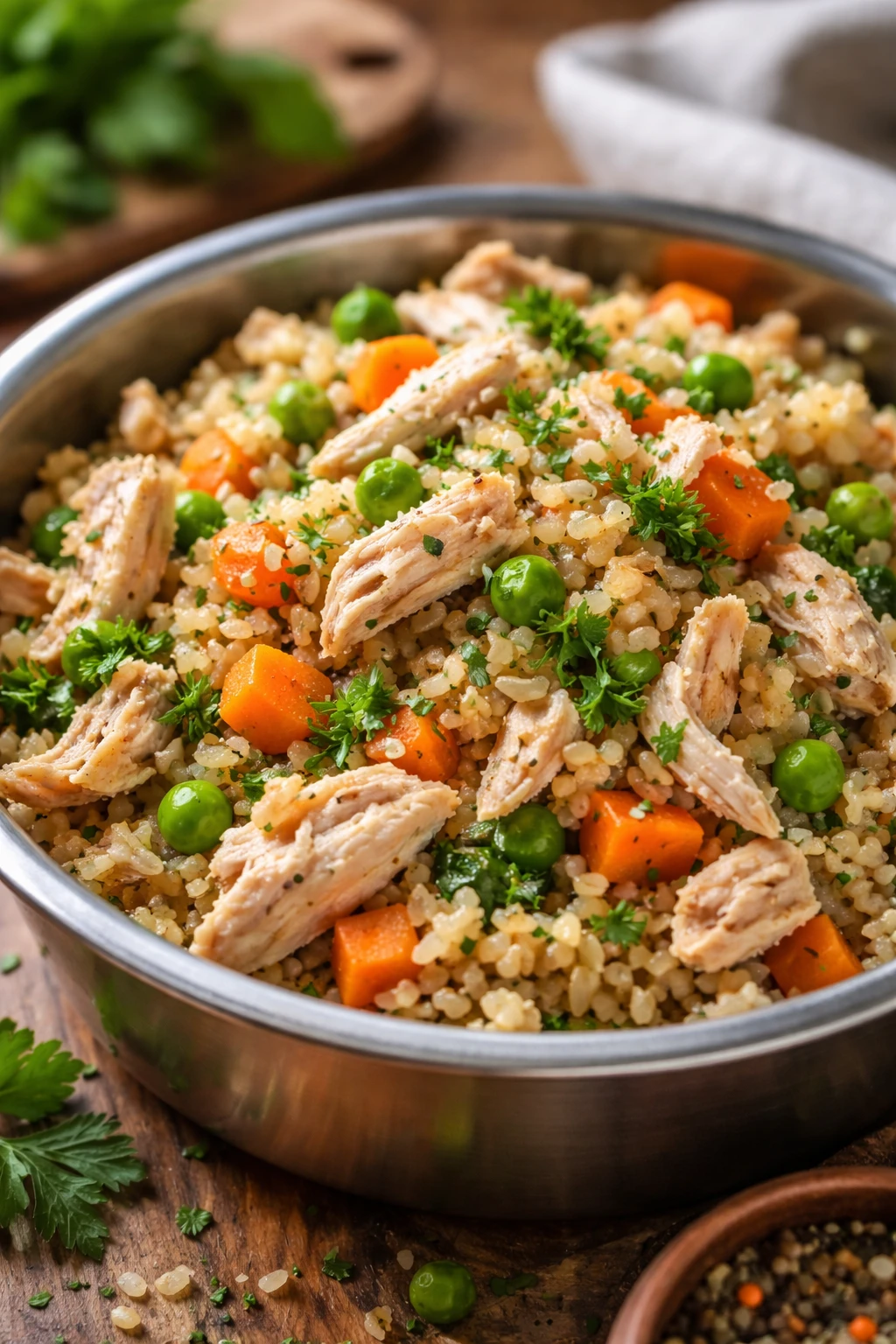
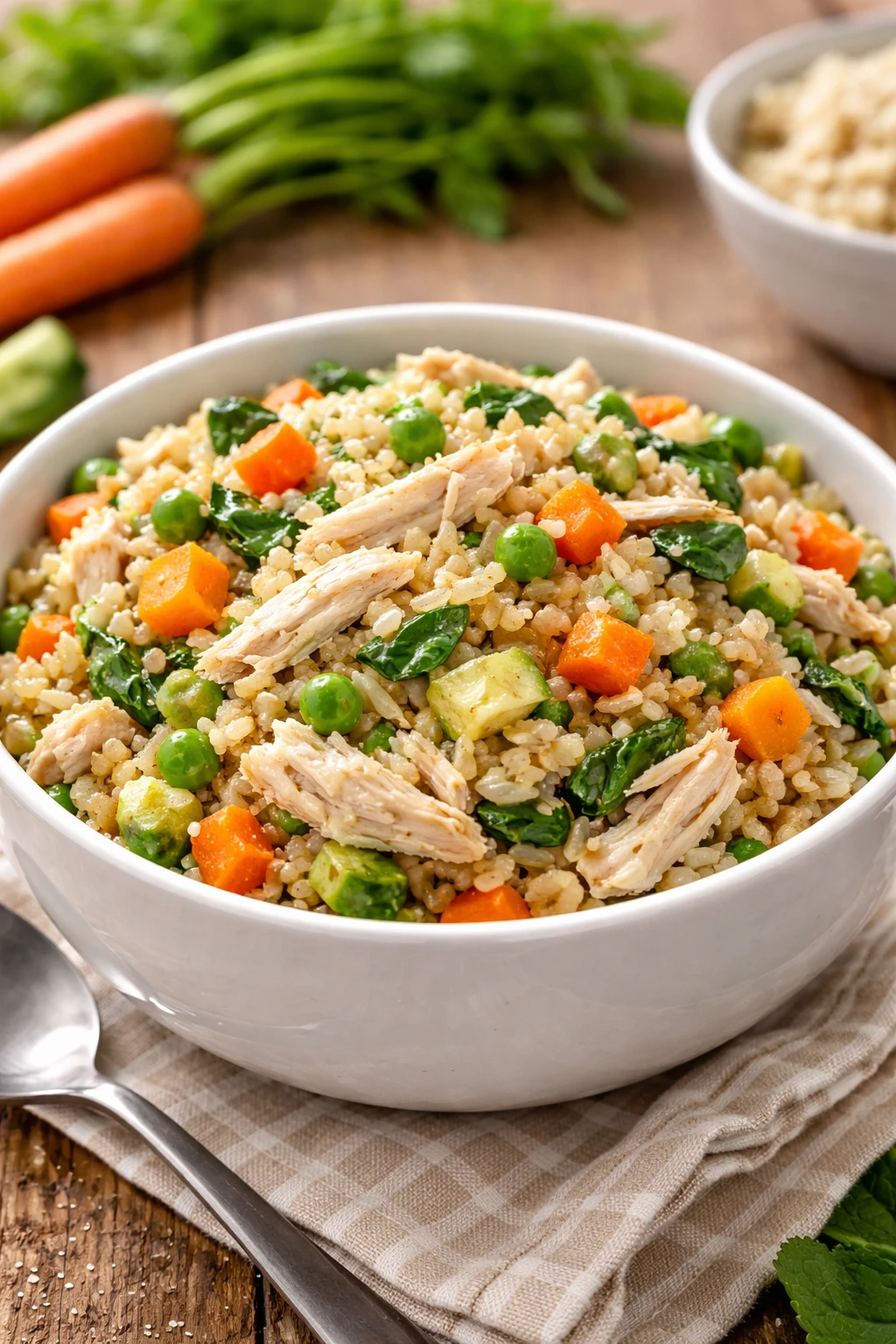
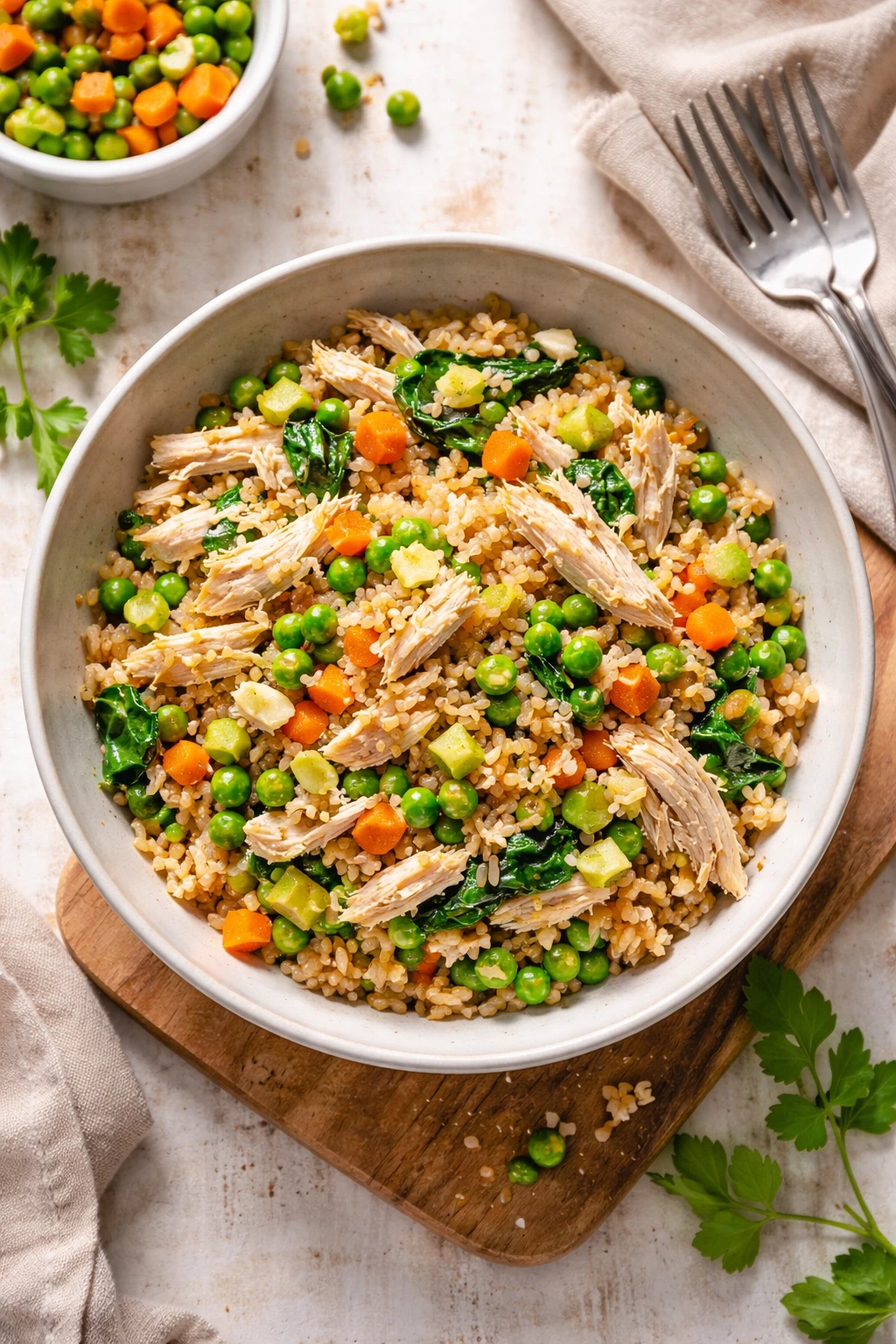
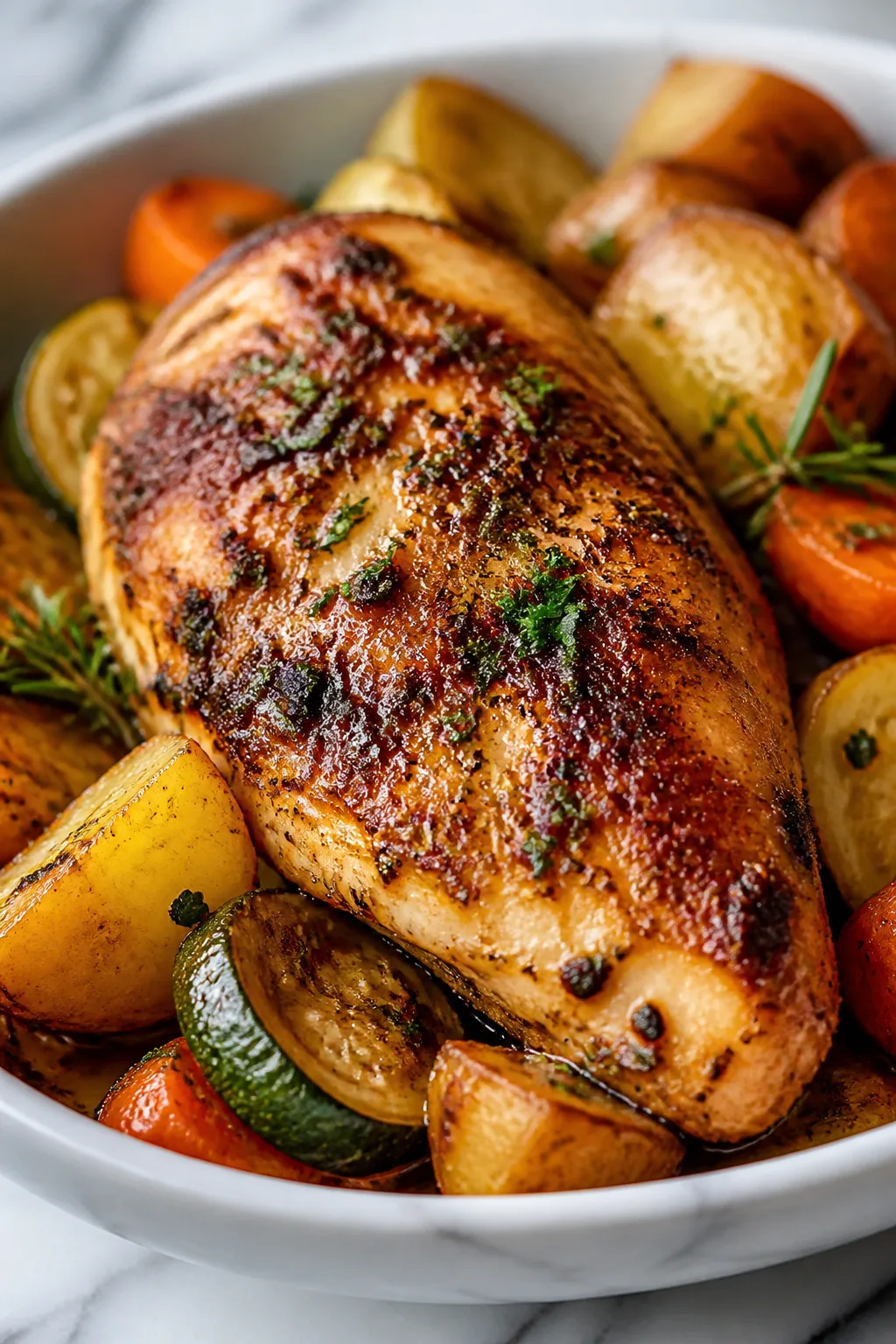
This homemade chicken dog food is super easy and wholesome, packed with fresh chicken and veggies. It’s a great way to spoil your pup with healthy meals any day of the week!
Introduction
I've been making homemade dog food for my pup for a few years now, and this chicken dog food recipe quickly became a favorite in our house. I first started experimenting with cooking fresh ingredients when I noticed my dog was a bit picky and some store-bought foods didn’t agree with him. What sets this recipe apart is its simplicity and focus on fresh, whole foods that are easy on the tummy. I love using boneless chicken breasts for lean protein, and adding a mix of veggies like carrots and green beans for natural vitamins and fiber. One trick I learned is to cook the rice separately and mix it in later to keep the texture just right—not mushy but still soft enough for easy digestion. The turmeric adds a subtle anti-inflammatory boost, which is great for active pups. When it’s done, the meal looks colorful and smells fresh, and my dog always gobbles it up. It’s perfect for everyday feeding or as a special treat when you want to spoil your furry friend with something homemade and nutritious. I think you’ll find it just as rewarding to make and watch your dog enjoy!
What You'll Need
Approximately 4 cups, 4 servings
- 2 pounds boneless, skinless chicken breasts, chopped
- 1 cup chopped carrots, fresh or frozen
- 1 cup chopped green beans, fresh or frozen
- 1/2 cup cooked brown rice
- 1 tablespoon olive oil
- 1/4 cup chicken broth, low sodium
- 1/4 teaspoon turmeric powder (optional)
- 1/4 cup chopped spinach
How To Do It
Step 1
Start by prepping your ingredients: chop the chicken breasts into bite-sized pieces to ensure they cook evenly and quickly. Chop the carrots and green beans into small, manageable pieces for your dog to chew easily. Prepping everything upfront saves time later and ensures nothing overcooks or undercooks. Avoid cutting veggies too large as that can make them hard for your pup to digest. Having all ingredients ready also helps keep cooking smooth and stress-free.
⏱ Time: 10
✓ Doneness: Chicken pieces are uniform in size; veggies chopped finely but not mushy
Step 2
Cook the brown rice according to package instructions, usually simmering in water for about 20 minutes until tender. Rice adds gentle carbs and fiber, but it’s crucial to cook it fully to avoid any digestive issues. Rushing this step can leave rice hard and tough, which isn’t ideal for dogs. Once cooked, fluff with a fork and set aside to cool slightly before mixing with other ingredients.
⏱ Time: 20
✓ Doneness: Rice is tender and fluffy, no hard grains remain
Step 3
Heat olive oil in a large skillet over medium heat. Add the chopped chicken and sauté until it starts to brown and is cooked through, about 8-10 minutes. Stir frequently to prevent sticking and ensure even cooking. Proper browning adds flavor thanks to the Maillard reaction, making the meal more appetizing for your dog. Avoid overcrowding the pan, as that can cause steaming instead of browning.
⏱ Time: 10
✓ Doneness: Chicken is opaque, no pink inside, and lightly browned on edges
Step 4
Add the chopped carrots and green beans to the skillet with the chicken. Stir well and cook for another 5-7 minutes until the vegetables are tender but still slightly firm. This keeps their nutrients intact and prevents them from turning mushy. Overcooked veggies lose texture and some vitamins, so keep an eye on them and test by poking with a fork.
⏱ Time: 7
✓ Doneness: Veggies are bright in color and fork-tender but not falling apart
Step 5
Pour in the chicken broth and sprinkle turmeric powder, stirring to combine everything evenly. The broth adds moisture and flavor, making the dish more palatable and hydrating. Turmeric is optional but offers anti-inflammatory benefits. Simmer gently for 3-5 minutes to let flavors meld and liquid slightly reduce. Be careful not to boil vigorously, which can toughen chicken and reduce broth volume too much.
⏱ Time: 5
✓ Doneness: Mixture is moist but not soupy, fragrant with turmeric aroma
Step 6
Stir in the cooked brown rice and chopped spinach. The spinach wilts quickly and adds extra vitamins and minerals. Mixing rice last helps maintain its fluffy texture and prevents it from getting mushy. Cook everything together for 2-3 minutes until spinach just wilts but retains color. Avoid overcooking spinach to preserve nutrients and keep it appetizing for your dog.
⏱ Time: 3
✓ Doneness: Spinach is bright green and slightly wilted, rice evenly mixed
Step 7
Remove the skillet from heat and let the mixture cool completely before serving to your dog. Serving it warm but not hot prevents burns and makes it safer to eat. Cooling also helps flavors meld further. If you plan to store leftovers, divide into portions and refrigerate or freeze promptly to keep it fresh and safe.
⏱ Time: 15
✓ Doneness: Food is warm to the touch, no steam or hot spots remain
Step 8
Portion the homemade chicken dog food into airtight containers for storage. Refrigerate for up to 3 days or freeze for longer keeping. Label containers with dates so you can track freshness. Proper storage prevents spoilage and maintains nutritional quality, which is important for your pup’s health. Avoid leaving food out at room temperature for extended periods to reduce bacterial growth.
⏱ Time: 10
✓ Doneness: Containers sealed tightly, food looks fresh and moist
Step 9
When serving refrigerated or frozen portions, warm gently in the microwave or stovetop with a splash of water or broth to loosen the texture. Stir well and test temperature before giving it to your dog. Avoid overheating as hot spots can burn your pet’s mouth. This step ensures the meal is appealing and safe, encouraging your dog to enjoy every bite.
⏱ Time: 5
✓ Doneness: Food is evenly warmed, no hot spots, slightly moist texture
Pro Tips
Cut chicken and veggies into uniform small pieces.
Uniform pieces ensure even cooking, preventing some parts from being undercooked while others overcook. This balance helps maintain texture and ensures all ingredients are tender enough for your dog to chew safely.
Cook rice separately to keep it fluffy.
Cooking rice separately prevents it from absorbing too much moisture from the other ingredients, which can make it mushy. Fluffy rice mixes better and provides a pleasant texture that dogs prefer.
Use low-sodium chicken broth for moisture.
Low-sodium broth adds flavor and hydration without excess salt, which can be harmful to dogs. It helps keep the mixture moist and appetizing, encouraging your dog to eat.
Cool food completely before serving.
Serving food that’s too hot can burn your dog’s mouth and cause discomfort. Cooling also allows flavors to meld and texture to settle, making the meal more enjoyable and safer.
Add turmeric sparingly for anti-inflammatory benefits.
Turmeric contains curcumin, which reduces inflammation. Adding a small amount helps support joint health without overpowering the flavor or causing digestive upset.
Store leftovers in airtight containers promptly.
Proper storage slows bacterial growth and preserves nutrients. Airtight containers prevent odors and contamination, keeping the food fresh and safe for your dog.
Warm refrigerated portions gently before serving.
Gentle warming avoids hot spots that can burn your dog’s mouth and restores a pleasing aroma and texture, making the meal more appealing.
Common Mistakes to Avoid
Feeding the dog food while it’s still hot.
Why it happens In the excitement of feeding time, it’s easy to forget to let food cool down.
Fix Always test the temperature by touching the food before serving. Let it cool to warm or room temperature to prevent burns.
Overcooking vegetables until mushy.
Why it happens Trying to soften veggies too much can degrade nutrients and texture.
Fix Cook veggies just until tender but still firm. Test by piercing with a fork and remove from heat promptly.
Using high-sodium broth or seasoning.
Why it happens Some broths have added salt or spices unsafe for dogs.
Fix Always choose low-sodium or homemade broth without additives to keep the meal safe.
Skipping cooking rice or undercooking it.
Why it happens Rushing or mixing raw rice directly leads to hard, indigestible grains.
Fix Cook rice fully according to package directions before mixing to ensure digestibility.
Not chopping ingredients small enough.
Why it happens Assuming dogs can handle larger chunks can cause choking or digestion issues.
Fix Chop all ingredients into bite-sized pieces appropriate for your dog's size to keep them safe.
Variations
Add Sweet Potato Instead of Rice
Swap the brown rice for cooked sweet potato chunks for a nutrient-rich alternative. Sweet potatoes add natural sweetness and are packed with vitamins and fiber. This variation is great for dogs sensitive to grains or with rice allergies.
Note: Cook sweet potatoes until soft and mash slightly to blend well with other ingredients.
Include Pumpkin for Digestive Health
Mix in canned pure pumpkin (not pie filling) to boost fiber and aid digestion. Pumpkin adds a creamy texture and is gentle on the stomach, perfect for dogs with sensitive digestion or upset stomachs.
Note: Add pumpkin during the last cooking step to preserve nutrients and avoid over-thickening.
Use Ground Turkey Instead of Chicken
Swap chicken breasts with lean ground turkey for a different protein profile. Turkey offers a slightly different flavor and is equally nutritious, giving your dog a nice meal variety.
Note: Cook ground turkey thoroughly, breaking it up as it cooks to avoid clumps.
Add Flaxseed for Omega-3 Boost
Sprinkle ground flaxseed into the finished meal to add omega-3 fatty acids and fiber. This supports skin and coat health and adds a subtle nutty flavor your dog might enjoy.
Note: Add flaxseed after cooking to preserve its nutritional benefits.
Include Zucchini for Extra Veggies
Add chopped zucchini along with the other veggies for a low-calorie, vitamin-rich addition. Zucchini’s mild flavor blends well and adds moisture, making the meal even more appealing.
Note: Cook zucchini briefly to retain texture and nutrients.
Nutrition
Per Serving:
Nutritional values are estimates and may vary based on specific ingredients used.
Storage & Tips
Room Temperature
This homemade dog food can safely be left out at room temperature for up to 2 hours. Beyond that, bacteria can multiply rapidly, risking spoilage. Always cover the food with a clean lid or plastic wrap to prevent contamination while it's out.
Refrigerator
Store leftovers in an airtight container in the refrigerator for up to 3 days. The flavor and texture remain good chilled, but some dogs prefer warming it slightly before serving for better aroma and palatability.
Freezer
Freeze portions in airtight freezer-safe containers or bags for up to 3 months. To prevent freezer burn, remove as much air as possible before sealing. Thaw in the refrigerator overnight, then warm gently before serving.
Reheating
Reheat refrigerated or thawed portions on the stovetop over low heat or in the microwave at medium power. Add a splash of water or low-sodium broth to loosen the texture if it seems dry. Avoid overheating to prevent hot spots and nutrient loss.
Make Ahead
You can prepare the chicken, rice, and chopped veggies 1-2 days ahead and store separately in the fridge. Assemble and cook the full dish fresh on serving day for best texture and flavor.
FAQ
Can I use chicken thighs instead of breasts?
Yes, chicken thighs can be used and will add a bit more fat and flavor. Just ensure they are skinless and boneless to keep the fat content moderate and avoid bones that could harm your dog.
Is it safe to add spices or seasoning?
Avoid adding spices, salt, onion, garlic, or any seasoning toxic to dogs. Stick to mild herbs like turmeric in small amounts, but always consult your vet if unsure.
How do I know if my dog likes this food?
Watch your dog’s enthusiasm during feeding time. Most dogs enjoy fresh, homemade meals and will eat eagerly. If your dog is hesitant, try warming the food slightly or mixing it with some of their regular food.
Can I freeze this dog food?
Yes, freezing is a great way to preserve leftovers for up to 3 months. Freeze in portioned airtight containers and thaw in the fridge before warming gently for serving.
What if my dog has allergies to rice?
You can substitute rice with cooked sweet potato or quinoa, which are well-tolerated alternatives. Always introduce new ingredients gradually and watch for any reactions.
How often can I feed this homemade dog food?
This recipe can be fed daily as part of a balanced diet. However, consult your vet to ensure it meets your dog’s specific nutritional needs and complements any commercial food or supplements.
Can I add supplements to this recipe?
Yes, supplements like fish oil or probiotics can be added if recommended by your vet. Introduce them gradually and mix well to ensure even distribution.
Is the turmeric safe for all dogs?
Turmeric is generally safe in small amounts and offers anti-inflammatory benefits. However, some dogs may be sensitive, so start with a tiny pinch and observe for any digestive upset.
Final Thoughts
I hope you and your pup love this homemade chicken dog food as much as we do! Let me know how it goes and share your pup’s reaction!