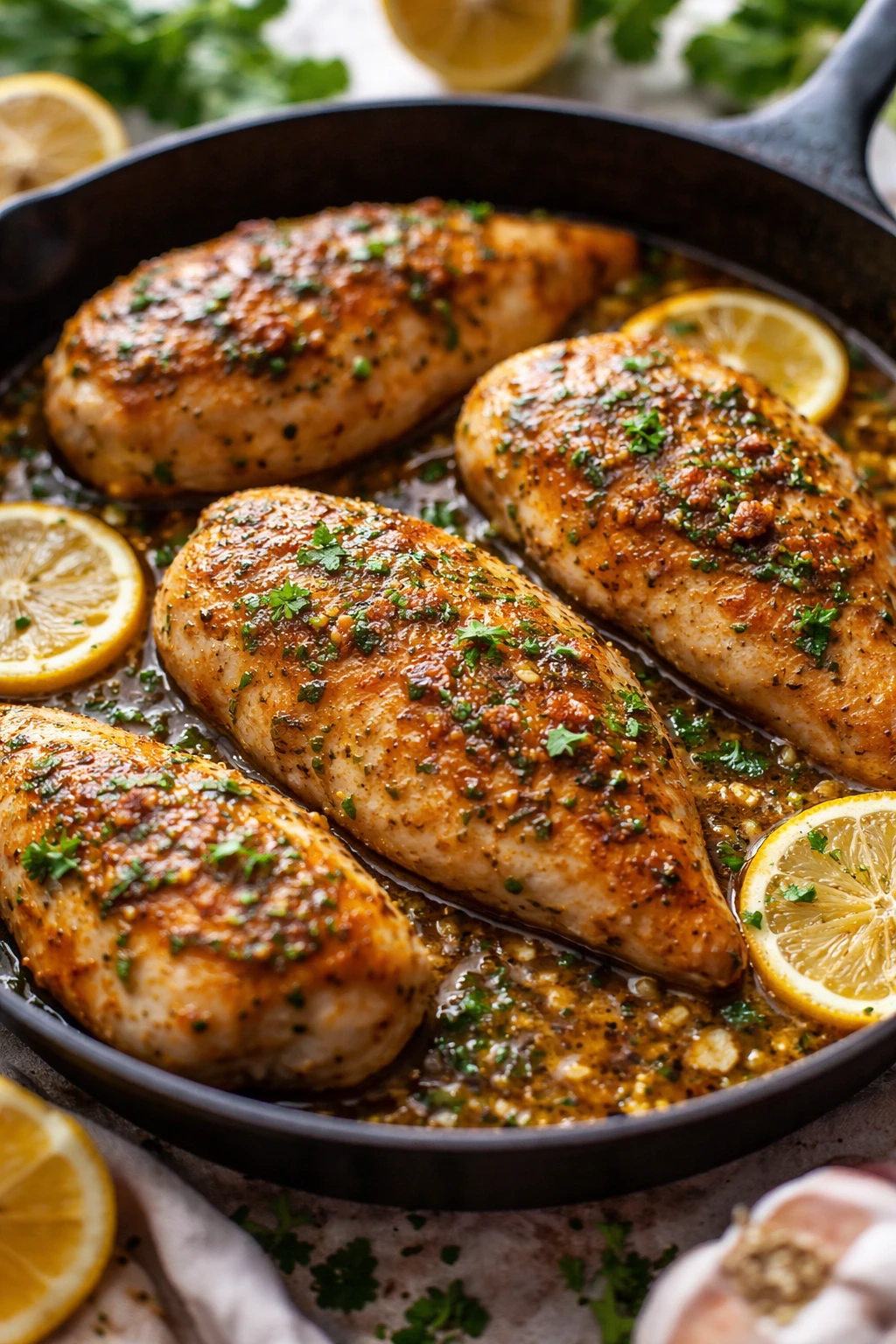
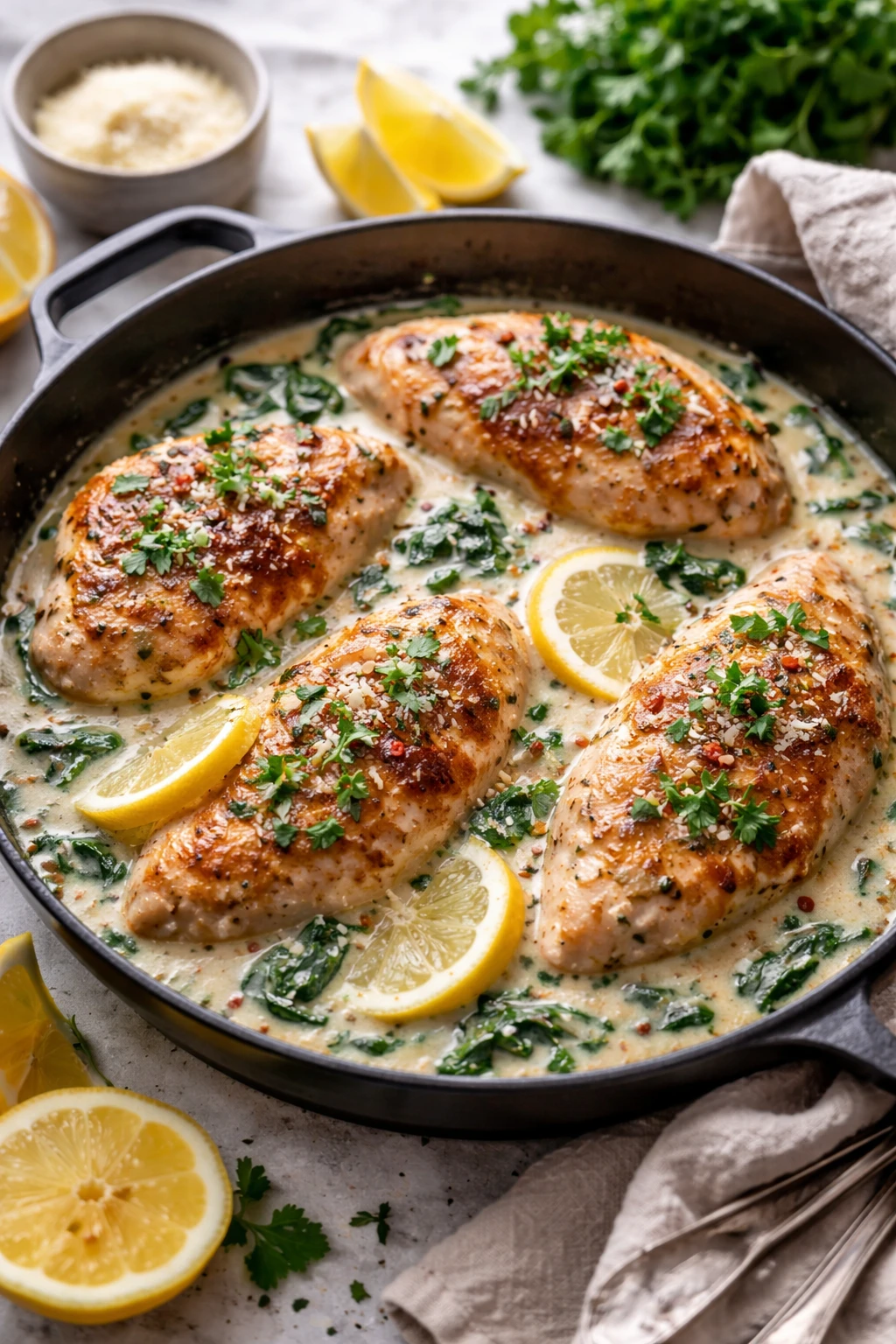
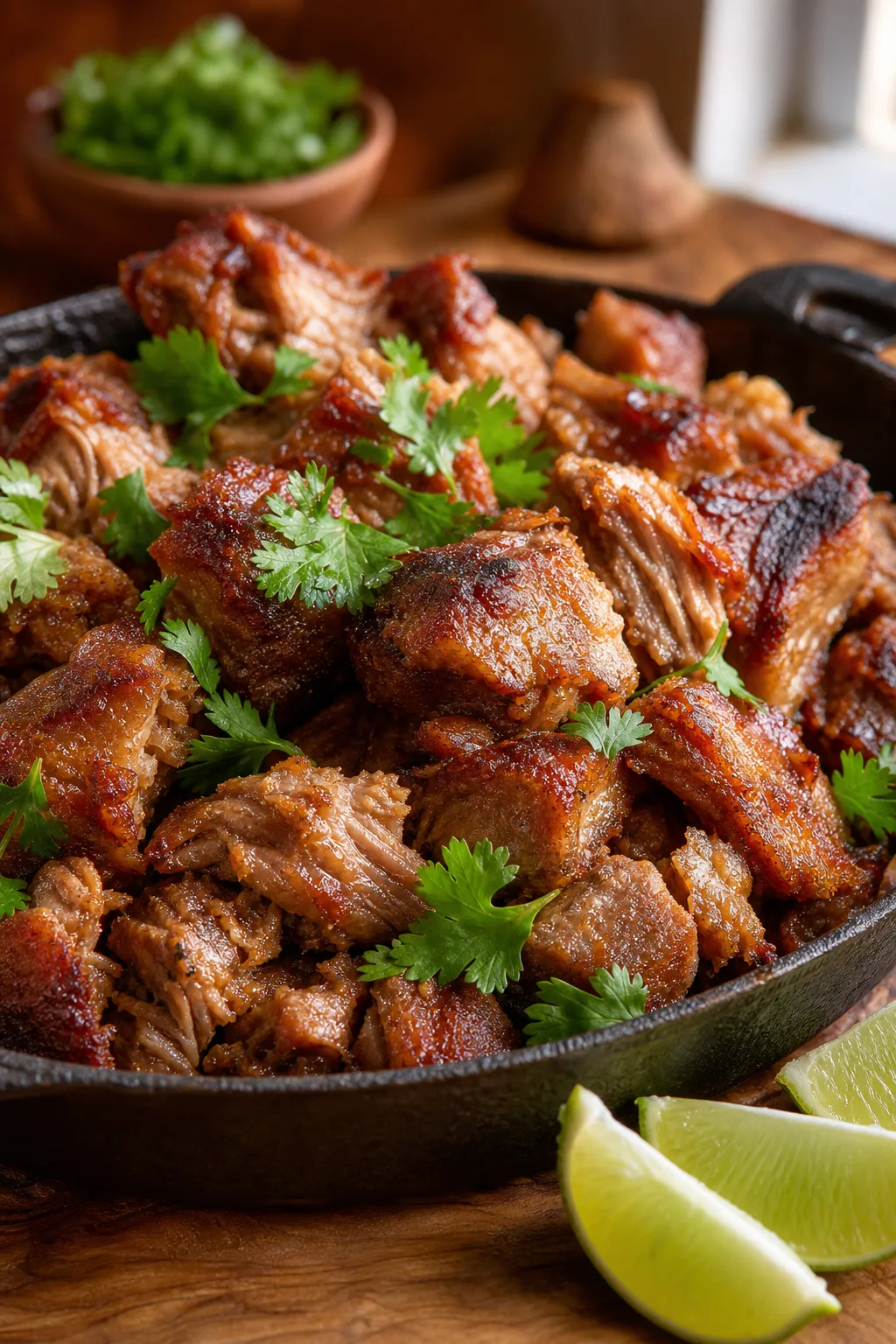
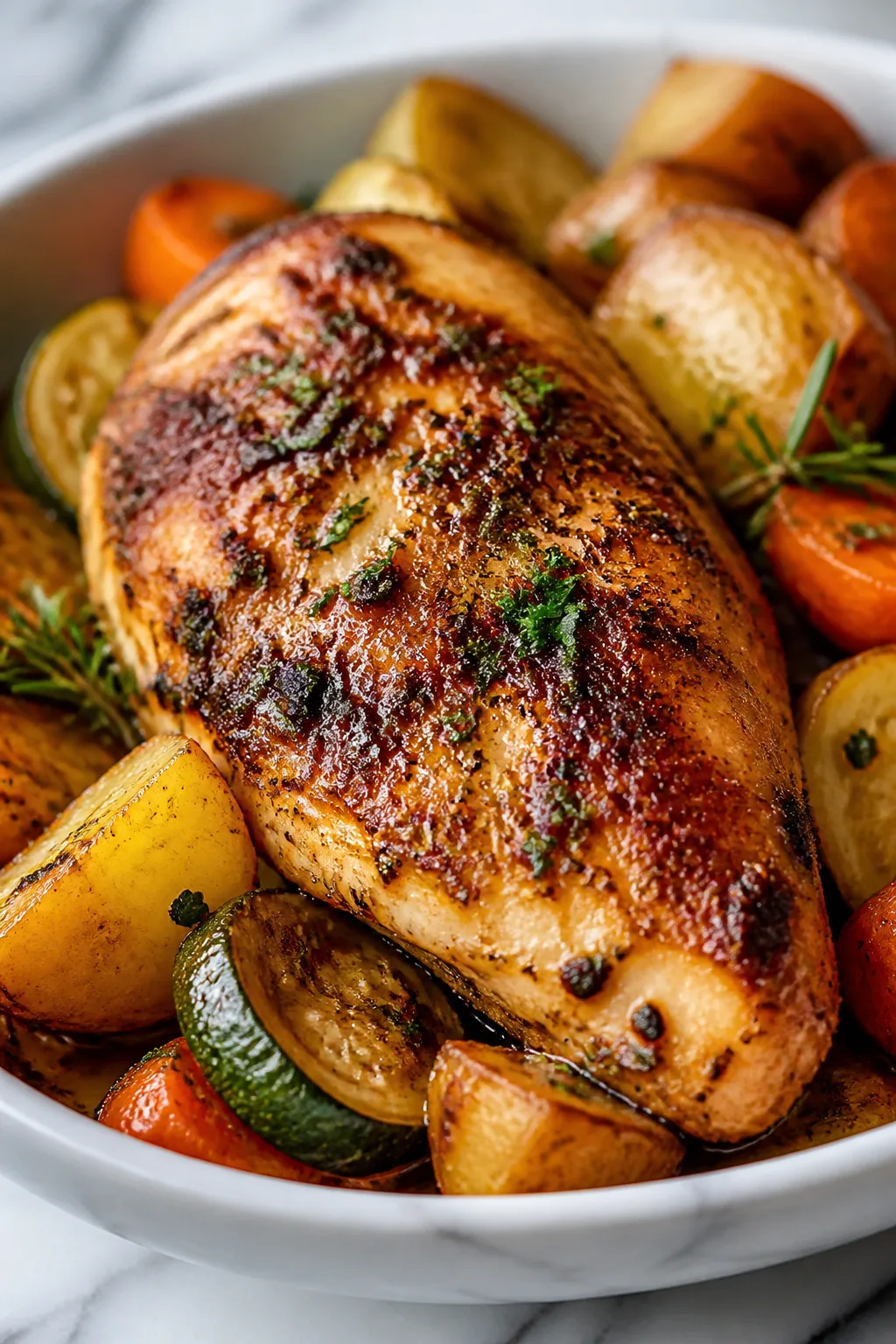
This chicken dinner is my ultimate cozy night go-to. The marinade is simple but really amps up the flavor, making the chicken super juicy. Perfect for family dinners or when you want a fuss-free, comforting meal.
Introduction
I first stumbled on this chicken dinner recipe a few years ago when I needed something quick, comforting, and reliable for busy weeknights. The trick I learned early on was to marinate the chicken just long enough to get a punch of flavor without turning the meat mushy or overpowered. What makes this version different is the balance of lemon and garlic with oregano and smoked paprika—it's simple but the flavors really sing together. I’ve tried loads of marinades before, but this one consistently delivers juicy, tender chicken that my whole family loves. The chicken comes out beautifully golden with just the right amount of char if you pan-sear it or bake it. It’s not fancy, but it’s the kind of meal that feels like a warm hug after a hectic day. Plus, it’s super easy to throw together, which makes it a staple in my kitchen. You’ll get a juicy, flavorful chicken dinner that’s perfect served with a side of roasted veggies or a fresh salad. Honestly, once you try this marinade, it’ll probably become your go-to too!
How To Do It
Step 1
Start by making the marinade. In a medium bowl, whisk together olive oil, minced garlic, lemon juice, oregano, salt, black pepper, and smoked paprika. This mixture is key because the acid from the lemon tenderizes the chicken while the spices add depth. Whisking ensures everything is well combined so each piece gets coated evenly. Avoid skipping the paprika—it adds a subtle smoky flavor that really lifts the dish.
⏱ Time: 5 minutes
✓ Doneness: The marinade should look smooth and slightly thickened, with all spices well distributed.
Step 2
Place the chicken breasts in a shallow dish or resealable plastic bag and pour the marinade over them. Turn the chicken to coat all sides thoroughly. Marinate in the fridge for at least 20 minutes, but no more than 2 hours. Marinating too long can break down the meat fibers too much, leading to a mushy texture. If you're short on time, even 20 minutes adds noticeable flavor.
⏱ Time: 20 minutes to 2 hours
✓ Doneness: Chicken should be fully coated and slightly glossy from the marinade.
Step 3
Heat a large skillet over medium-high heat. Once hot, add a drizzle of olive oil to prevent sticking. Carefully place the chicken breasts in the pan, leaving space between each piece so they sear properly instead of steaming. Searing locks in juices and creates a nice crust. Resist the urge to move the chicken too soon; let it cook undisturbed for about 5-6 minutes.
⏱ Time: 5-6 minutes
✓ Doneness: Chicken edges will turn golden brown and release easily from the pan when ready to flip.
Step 4
Flip the chicken breasts and reduce heat to medium. Cook for another 5-7 minutes until the internal temperature reaches 165°F (74°C). Use a meat thermometer if you have one for accuracy. Cooking too fast or at too high heat can dry out the chicken, so moderate heat is best here. The chicken should feel firm but springy to the touch.
⏱ Time: 5-7 minutes
✓ Doneness: Juices run clear when pierced and meat thermometer reads 165°F.
Step 5
Remove chicken from skillet and let it rest on a plate for 5 minutes. Resting allows the juices to redistribute through the meat, keeping it moist when you cut into it. If you slice immediately, the juices will run out and the chicken will be drier. Cover loosely with foil to keep warm during resting.
⏱ Time: 5 minutes
✓ Doneness: Chicken surface cools slightly but remains warm and juicy.
Step 6
While the chicken rests, deglaze the pan by adding a splash of water or chicken broth and scraping up browned bits with a wooden spoon. This makes a quick pan sauce packed with flavor. Pour over the chicken just before serving to add moisture and a savory finish.
⏱ Time: 2-3 minutes
✓ Doneness: Pan sauce thickens slightly and has a glossy appearance.
Step 7
Slice the chicken against the grain to maximize tenderness. Cutting across the muscle fibers means less chew and a more pleasant mouthfeel. Arrange on a serving platter and spoon the pan sauce over the top. Garnish with fresh chopped parsley for a pop of color and freshness.
⏱ Time: 3 minutes
✓ Doneness: Slices look moist, tender, and nicely coated with sauce.
Step 8
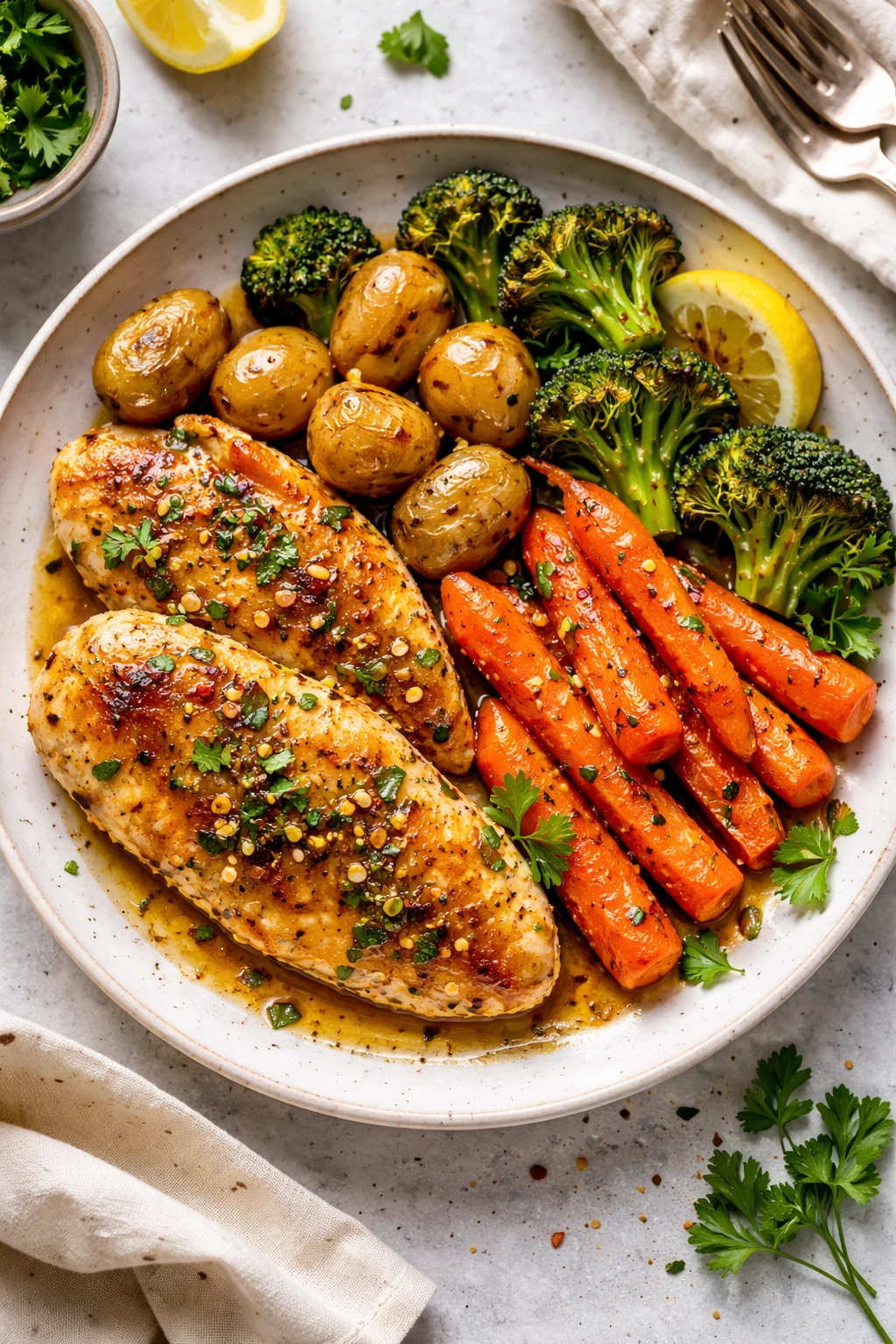
Serve immediately with your favorite sides. This chicken pairs wonderfully with roasted vegetables, rice, or a crisp salad. The bright lemon and herb flavors complement a variety of dishes and keep the meal feeling light but satisfying.
⏱ Time: Serve immediately
✓ Doneness: Meal is warm and inviting, with balanced flavors on the plate.
Step 9
Clean your skillet promptly after cooking to prevent the oil and spices from sticking and becoming difficult to remove. A quick soak in warm soapy water helps preserve your pan’s seasoning and life. Keeping your cookware in good shape means better cooking results next time!
⏱ Time: 5 minutes
✓ Doneness: Pan is clean and free of stuck-on residue.
Pro Tips
Pat chicken dry before marinating.
Removing excess moisture helps the marinade stick better and promotes even browning during cooking. Wet chicken tends to steam rather than sear, resulting in less flavorful meat.
Use a meat thermometer to check doneness.
This ensures the chicken is cooked safely to 165°F without overcooking. Overcooked chicken becomes dry and tough, so precise temperature control is key to juicy results.
Let the chicken rest after cooking.
Resting redistributes juices that get pushed to the center during cooking. Cutting immediately causes these juices to leak out, drying the meat. A short rest keeps the chicken moist and tender.
Don’t overcrowd the pan when searing.
Crowding traps steam and prevents proper browning. Leaving space allows the Maillard reaction to develop a flavorful crust and locks in juices.
Marinate in the fridge, not at room temperature.
Marinating in the fridge keeps the chicken safe from bacterial growth. It also slows down the acid’s tenderizing action, preventing over-tenderizing.
Use fresh lemon juice, not bottled.
Fresh juice has brighter acidity and better flavor. Bottled lemon juice often tastes flat or bitter, which can negatively affect the marinade.
Add a splash of broth to deglaze the pan.
Deglazing lifts flavorful browned bits without burning them, creating a quick sauce that enhances the chicken’s taste and moisture.
Common Mistakes to Avoid
Marinating chicken too long
Why it happens People often think longer marinating equals more flavor, but acid can break down meat fibers excessively.
Fix Limit marinating time to 2 hours max. For best flavor without mushiness, 20-40 minutes is ideal. If you forget, rinse and pat dry before cooking to remove excess acid.
Cooking chicken at too high heat
Why it happens Rushing cooks by cranking heat can burn the outside before the inside cooks through.
Fix Use medium to medium-high heat to ensure even cooking. Use a thermometer to check doneness rather than relying on time alone.
Skipping the resting step
Why it happens Impatience leads to slicing immediately, causing juices to escape.
Fix Let chicken rest 5 minutes loosely covered. This step makes a big difference in juiciness and tenderness.
Overcrowding the pan
Why it happens Trying to cook all chicken at once traps steam and prevents browning.
Fix Cook in batches if needed, leaving space between pieces for proper searing.
Using bottled lemon juice
Why it happens Convenience leads to using bottled juice which lacks fresh brightness.
Fix Always use fresh lemon juice for best flavor and tenderizing effect.
Variations
Spicy Lemon Garlic Chicken
Add 1/2 teaspoon cayenne pepper or red pepper flakes to the marinade for a nice kick. This variation keeps the bright lemon and garlic notes but adds heat, perfect if you like spicy food.
Note: Be cautious with spice amounts; start small and adjust to taste. The cooking method remains the same.
Herb-Infused Chicken with Fresh Rosemary
Swap oregano for fresh rosemary sprigs and add a teaspoon of thyme. This changes the herbal profile to a woodsy, aromatic flavor that pairs beautifully with roasted potatoes.
Note: Use fresh herbs in the marinade and as garnish for maximum aroma. Fresh herbs might require slightly longer marinating.
Greek Style Chicken with Feta and Olives
After cooking, top the chicken with crumbled feta and sliced olives. Serve with a side of cucumber salad for a Mediterranean twist that’s fresh and tangy.
Note: Add toppings right before serving to keep feta from melting and olives fresh.
Grilled Chicken Version
Instead of pan-searing, grill the marinated chicken over medium heat for 6-7 minutes per side. This adds a smoky char and is great for summer cookouts.
Note: Watch for flare-ups on the grill and avoid overcooking by monitoring internal temperature.
Creamy Mushroom Sauce Chicken
Serve the cooked chicken with a quick mushroom cream sauce made by sautéing mushrooms and adding cream and garlic. This makes the dish richer and perfect for cooler nights.
Note: Prepare sauce separately and spoon over chicken just before serving to keep textures distinct.
Nutrition
Per Serving:
Nutritional values are estimates and may vary based on specific ingredients used.
Storage & Tips
Room Temperature
This cooked chicken can safely sit at room temperature for up to 2 hours if covered. Make sure to cover it loosely with foil or a clean cloth to prevent drying out.
Refrigerator
Store leftovers in an airtight container in the fridge for up to 3 days. The chicken may firm up and lose some juiciness when cold but reheats well with a splash of water or broth.
Freezer
Freeze cooked chicken in a freezer-safe airtight container or heavy-duty freezer bag for up to 3 months. Wrap tightly to prevent freezer burn. Thaw overnight in the fridge before reheating.
Reheating
Reheat gently on the stovetop over low heat with a splash of broth or water to keep moist, or microwave covered in short bursts. Avoid overheating to prevent drying out.
Make Ahead
You can marinate the chicken up to 1 day ahead and keep it covered in the fridge. Cook it fresh the day of serving for best texture and flavor.
FAQ
Can I use chicken thighs instead of breasts?
Absolutely! Chicken thighs are more forgiving and stay juicy longer. Adjust cooking time to about 6-7 minutes per side depending on thickness. The marinade works just as well on thighs.
What if I don’t have smoked paprika?
You can substitute regular paprika, but you’ll lose the smoky flavor that adds depth. If you want smoke without smoked paprika, a tiny pinch of chipotle powder works too.
How long can I marinate the chicken?
For best texture, marinate between 20 minutes and 2 hours. Longer than that, especially with lemon juice, can start to break down the meat too much, making it mushy.
Can I make this recipe gluten-free?
Yes, this recipe is naturally gluten-free as long as you check your spices and broth for any additives. No wheat or gluten-containing ingredients are used here.
What sides go best with this chicken?
Roasted vegetables, rice pilaf, quinoa salad, or a crisp green salad all pair beautifully. The lemon and herb flavors complement many fresh, simple sides.
Can I prepare this recipe in advance?
You can marinate the chicken up to 24 hours ahead and refrigerate. Cook fresh for best results. You can also cook and refrigerate leftovers, then reheat gently.
How do I know when the chicken is done without a thermometer?
Cut into the thickest part—the meat should be opaque and juices run clear, not pink. The texture should be firm but not rubbery.
Is it okay to skip the pan sauce?
Yes, but the pan sauce adds great flavor and moisture. You can skip it if you’re short on time, but I recommend making it whenever possible.
Final Thoughts
I hope you give this juicy, flavorful chicken dinner a try soon! It’s a simple recipe that always feels like a comforting treat. Let me know how it turns out!