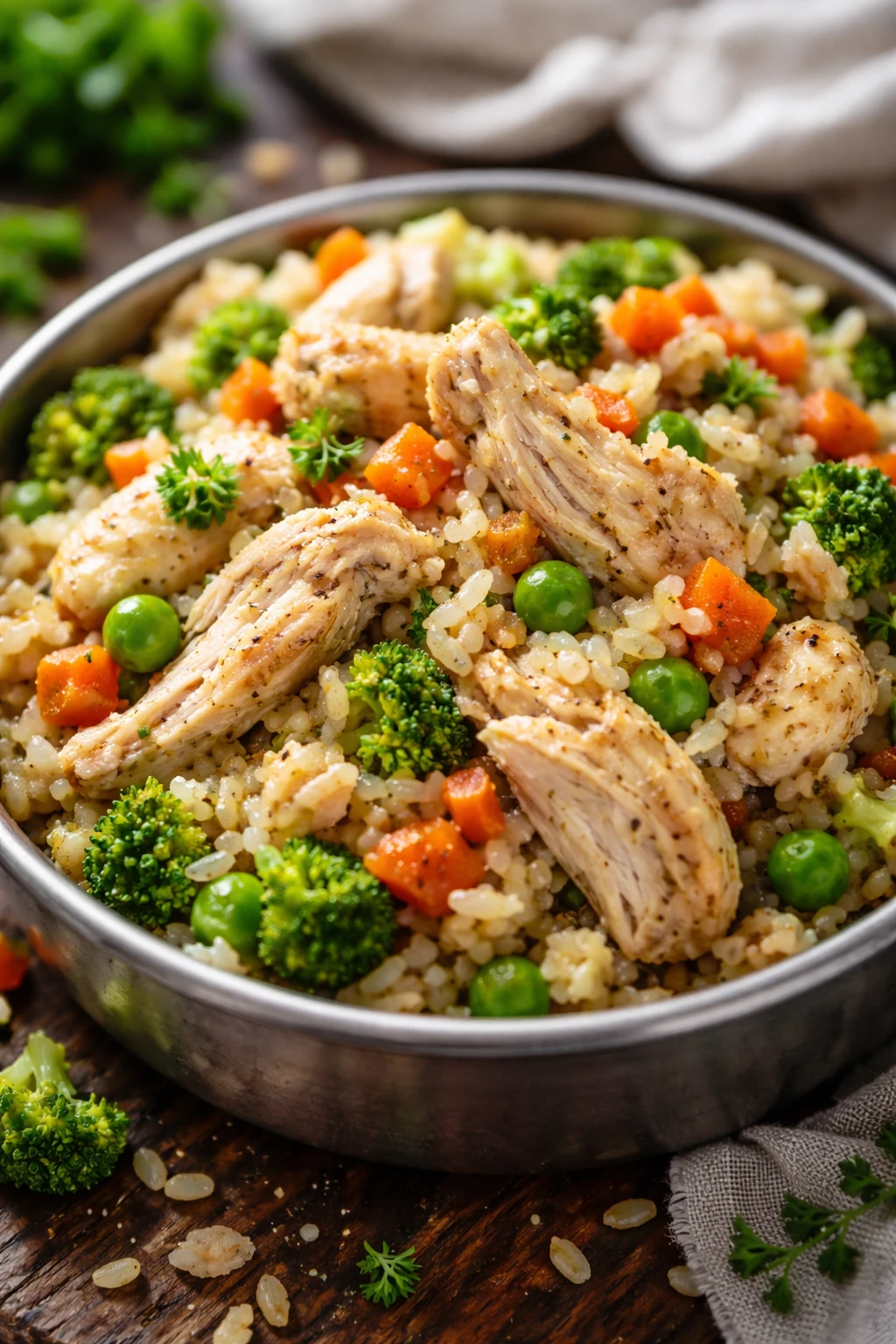
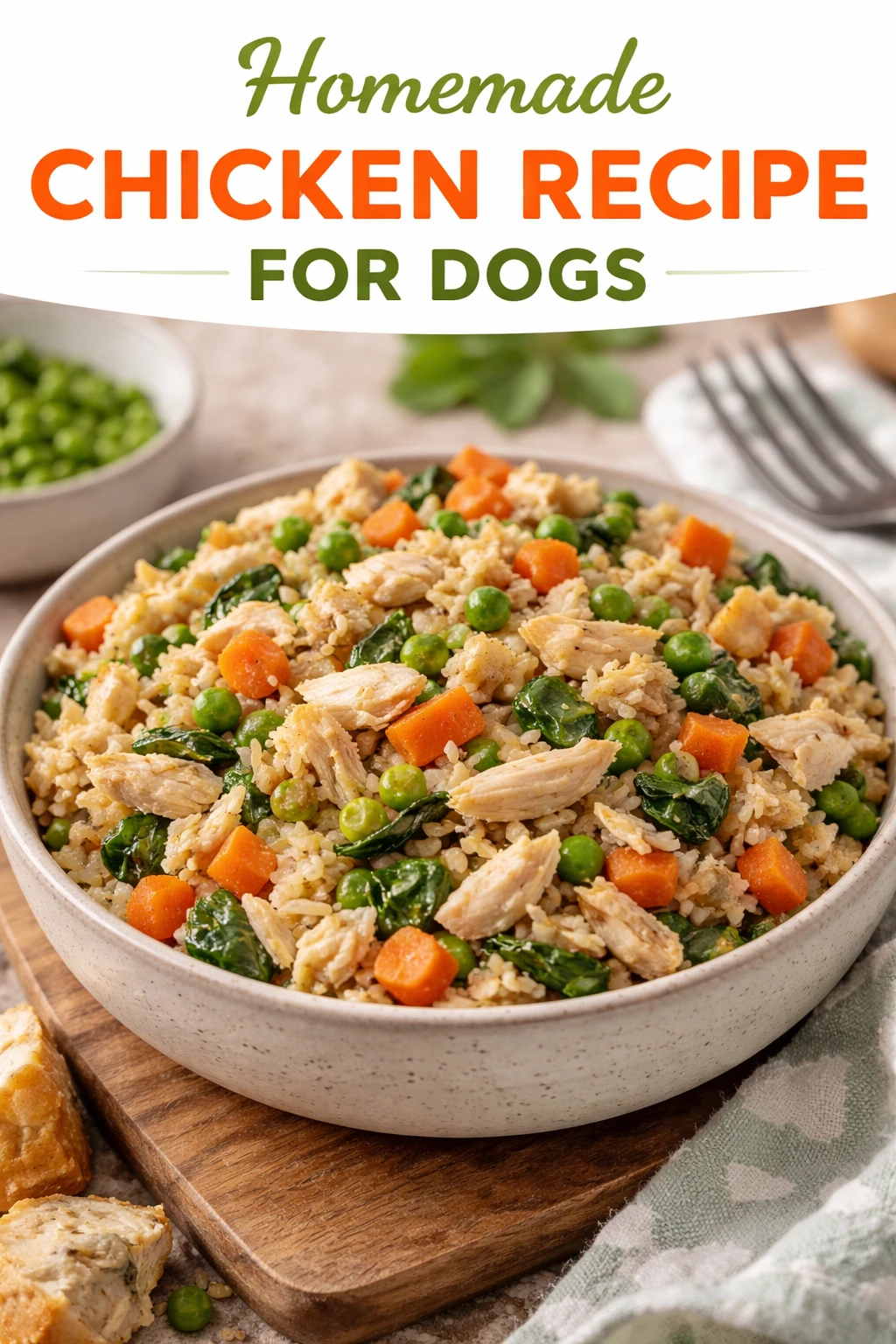
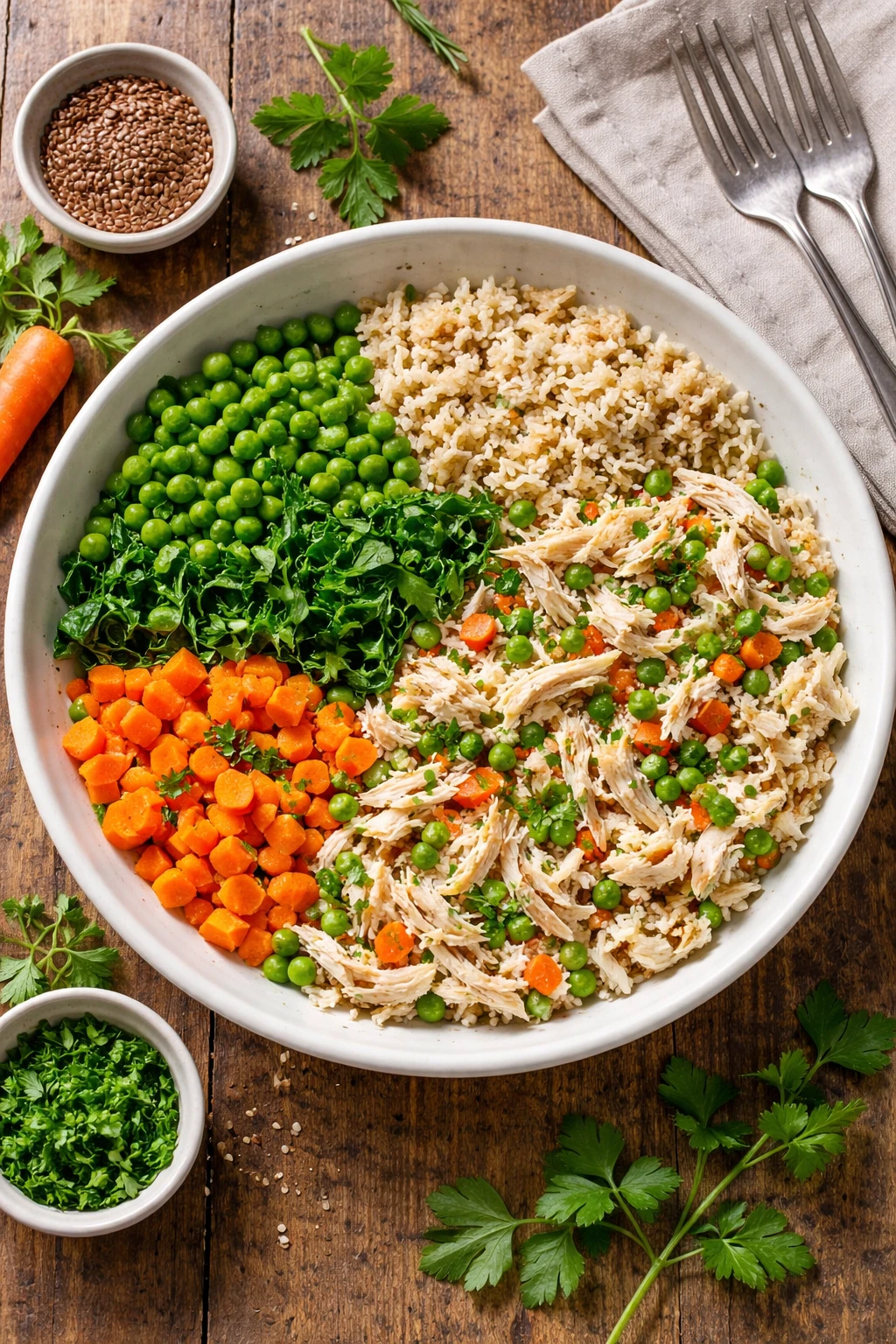
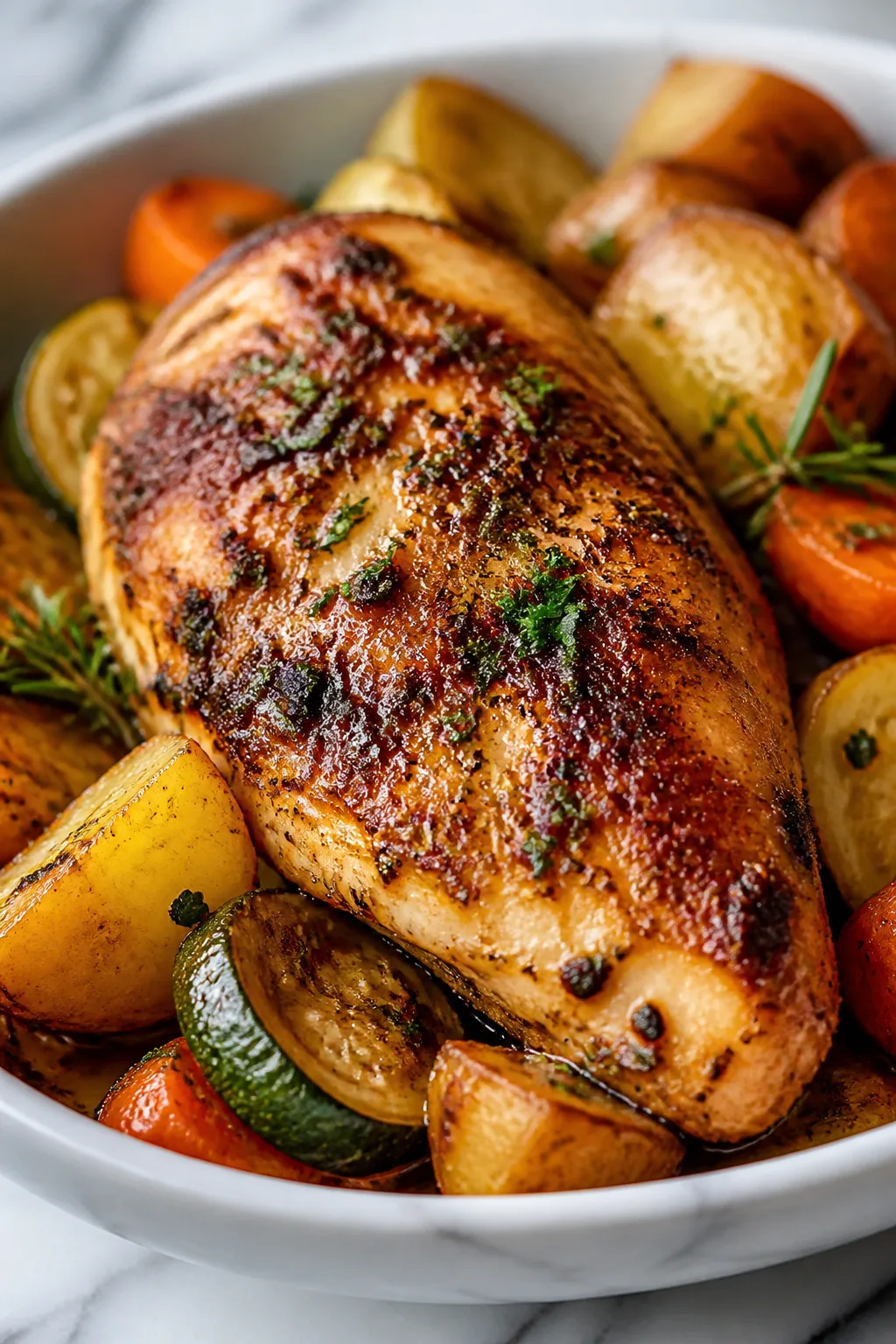
This homemade chicken recipe is perfect for your furry friend—simple, natural, and tender. The gentle cooking keeps the chicken easy to digest, making it great for mealtime or a special snack.
Introduction
I've always loved making homemade meals for my dog, and this chicken recipe quickly became a favorite. It’s incredibly simple yet packed with natural ingredients that I trust. The first time I made it, I noticed how gentle cooking kept the chicken tender and easy on my dog's stomach—something store-bought treats often lack. I think the secret is cooking the chicken slowly in broth, which also infuses a lot of flavor without any additives. Plus, adding fresh veggies gives it a little nutritional boost without complicating the recipe. This dish is perfect for those days when you want to spoil your furry friend with something wholesome and homemade. It’s easy enough to whip up on a weeknight, and my dog absolutely loves it. If you’ve ever felt unsure about what to feed your pup, this recipe is a great place to start—simple, natural, and full of love.
How To Do It
Step 1
Start by trimming any excess fat from the chicken breasts and cutting them into bite-sized pieces. This helps the chicken cook evenly and makes it easier for your dog to eat. When cutting, try to keep the pieces roughly the same size to ensure uniform cooking. Avoid using chicken with skin or seasoning, as these can be hard on a dog's digestion. The cleaner the chicken, the better for your furry friend.
⏱ Time: 5
✓ Doneness: Chicken pieces are evenly sized and ready to cook
Step 2
Heat the olive oil in a medium skillet over medium heat. Add the chicken pieces and cook gently until they turn opaque but aren’t browned. This gentle cooking helps keep the meat tender and prevents drying out. Avoid high heat or rushing this step, as it can make the chicken tough and less digestible for your dog.
⏱ Time: 6
✓ Doneness: Chicken turns from pink to opaque white
Step 3
Pour in the low-sodium chicken broth and bring the mixture to a simmer. This slow simmer infuses moisture and flavor without adding salt or spices that aren’t good for dogs. Let the chicken cook fully in the broth until tender and cooked through. The broth also makes a nice gentle cooking environment to keep the chicken soft.
⏱ Time: 10
✓ Doneness: Broth simmers gently and chicken is fully cooked
Step 4
While the chicken simmers, steam or boil the chopped carrots and peas until soft. These veggies add vitamins and fiber, making the meal more balanced. Avoid raw veggies, which can be hard for dogs to digest. Softening them ensures your dog can enjoy the nutrients easily.
⏱ Time: 8
✓ Doneness: Veggies are tender but not mushy
Step 5
Once the chicken is cooked through, remove it from the broth and let it cool slightly. Then mix in the cooked carrots and peas. Combining the ingredients while warm helps the flavors meld together and keeps the texture appealing for your dog.
⏱ Time: 5
✓ Doneness: Ingredients combined with warm, tender texture
Step 6
Allow the mixture to cool completely before serving to your dog. Hot food can be uncomfortable or even dangerous for pets. Cooling also lets the flavors settle and the texture firm up slightly, making it easier to serve in portions.
⏱ Time: 15
✓ Doneness: Mixture is cool to the touch
Step 7
Serve the homemade chicken mixture in your dog’s bowl, adjusting portion size to their appetite and size. You can store leftovers in an airtight container in the fridge for a few days or freeze for longer storage.
⏱ Time: 2
✓ Doneness: Portioned and ready to serve
Step 8
If freezing, portion the mixture into small containers or freezer bags to prevent waste. This also makes thawing easier and faster. When ready to use, thaw in the refrigerator overnight and warm slightly before serving.
⏱ Time: 5
✓ Doneness: Properly portioned for freezing
Step 9
Before introducing this new recipe regularly, watch your dog for any signs of intolerance or allergies. Homemade meals are great, but every dog is different. If you notice any digestive upset, consult your vet and adjust accordingly.
⏱ Time: 0
✓ Doneness: Dog remains happy and healthy after eating
Pro Tips
Trim chicken carefully to remove all skin and excess fat.
Fatty skin can be hard for dogs to digest and may cause upset stomach or pancreatitis in sensitive pets. Removing it ensures the meal is lean and healthier, reducing the risk of digestive issues.
Simmer chicken in broth instead of boiling hard.
Simmering cooks the chicken gently, preserving tenderness and nutrients. Boiling aggressively can toughen meat and leach out flavor and vitamins, making it less appealing and nutritious.
Cook veggies until just tender, not mushy.
Overcooking vegetables breaks down nutrients and creates a mushy texture dogs may dislike. Properly cooked veggies maintain some structure and nutrient content, supporting better digestion and taste.
Use fresh, high-quality ingredients for best results.
Freshness impacts flavor, texture, and nutrient density. Using quality chicken and produce ensures the final dish is wholesome and safe, avoiding unwanted preservatives or additives.
Cool food completely before serving.
Hot food can burn your dog’s mouth or cause discomfort. Cooling also allows flavors to settle and texture to firm up, making it easier to portion and more enjoyable for your pet.
Portion leftovers into small containers for freezing.
Freezing in portions prevents waste and speeds thawing. It also keeps the food fresh and maintains texture better than freezing one large batch.
Introduce new homemade meals gradually.
Sudden diet changes can upset your dog’s stomach. Slowly mixing in homemade food alongside their regular diet helps their digestive system adjust and prevents adverse reactions.
Common Mistakes to Avoid
Using seasoned or salted chicken.
Why it happens Many cooks assume adding seasoning improves flavor, but dogs are sensitive to salt and spices.
Fix Always use plain, unseasoned chicken. Rely on natural broth flavor and gentle cooking to keep it tasty and safe.
Overcooking chicken until dry.
Why it happens Rushing the cooking process at high heat can dry out the meat.
Fix Cook chicken gently over medium heat or simmer in broth to retain moisture and tenderness.
Feeding raw or undercooked chicken.
Why it happens Some believe raw is better, but it risks bacterial contamination.
Fix Always fully cook chicken to a safe internal temperature to protect your dog’s health.
Adding toxic ingredients like onions or garlic.
Why it happens Human recipes often include these, but they’re harmful to dogs.
Fix Double-check ingredients and avoid anything toxic when preparing dog food.
Serving food too hot.
Why it happens Excited to feed, owners might not wait for the food to cool.
Fix Let the food cool completely before serving to avoid burns or discomfort.
Variations
Chicken and Sweet Potato Mix
Swap carrots and peas for cooked sweet potatoes for a sweeter, fiber-rich option. Sweet potatoes add a creamy texture and are gentle on digestion, making this variation great for sensitive dogs.
Note: Cook sweet potatoes thoroughly until soft and mash slightly to blend well with chicken.
Chicken and Pumpkin Blend
Add pureed pumpkin instead of peas to boost fiber and support digestive health. Pumpkin’s mild flavor pairs well with chicken and helps with both diarrhea and constipation in dogs.
Note: Use plain canned pumpkin or fresh cooked pumpkin, avoiding pie fillings with sugars or spices.
Chicken and Brown Rice Bowl
Include cooked brown rice for added carbohydrates and energy. This makes the meal more filling and suitable for active dogs needing extra fuel.
Note: Cook rice fully and mix with chicken and veggies while warm for best texture.
Chicken and Green Bean Medley
Replace peas with steamed green beans for a crunchy, low-calorie veggie option. Green beans add vitamins and fiber without extra starch.
Note: Steam green beans until tender but still slightly crisp to keep texture.
Chicken with Apple and Carrot
Add finely chopped apple along with carrots for a sweet, crunchy twist. Apples provide antioxidants and a fresh taste dogs enjoy.
Note: Remove apple seeds and core, chop finely, and add raw or lightly steamed.
Nutrition
Per Serving:
Nutritional values are estimates and may vary based on specific ingredients used.
Storage & Tips
Room Temperature
This homemade chicken meal can safely sit at room temperature for up to 2 hours if covered well. Beyond that, bacteria can grow rapidly, so refrigerate leftovers promptly.
Refrigerator
Store in an airtight container in the refrigerator for up to 3 days. The chicken may firm up when cold; warm slightly before serving for best texture and aroma to entice your dog.
Freezer
Freeze portions in airtight containers or freezer bags for up to 2 months. Proper wrapping prevents freezer burn. Thaw in the fridge overnight and warm gently before feeding.
Reheating
Reheat gently on the stovetop or microwave to around body temperature (about 100°F/38°C). Avoid overheating, which can dry out the chicken or create hot spots that might burn your dog's mouth. Add a splash of broth if needed to restore moisture.
Make Ahead
You can prep the chicken and veggies 1-2 days ahead and store separately in the fridge. Combine and warm just before serving to keep the textures fresh and appealing.
FAQ
Can I use chicken thighs instead of breasts?
Yes, chicken thighs can be used and tend to be more flavorful and slightly fattier, which some dogs enjoy. Just trim excess fat and cook thoroughly. Thighs may require slightly longer cooking to become tender.
Is it okay to add seasoning like salt or herbs?
It's best to avoid salt, onions, garlic, or any seasoning toxic to dogs. Plain, unseasoned chicken is safest. If you want to add flavor, consider dog-safe herbs like parsley but only in very small amounts.
How much should I feed my dog of this recipe?
Portion size depends on your dog's weight, age, and activity level. Generally, 1/4 to 1/2 cup per meal is a good starting point. Consult your vet for personalized recommendations, especially if using this as a main meal.
Can I freeze leftover chicken meals?
Absolutely. Freeze in small portions for up to 2 months to maintain freshness. Thaw in the fridge overnight and warm gently before serving to your dog.
What if my dog has allergies to chicken?
If your dog is allergic to chicken, substitute with a protein they tolerate well, like turkey or fish, and adjust cooking times accordingly. Always introduce new proteins gradually and watch for reactions.
Can I add other vegetables to this recipe?
Yes, but stick to dog-safe veggies like green beans, pumpkin, or sweet potatoes. Avoid toxic vegetables like onions or garlic. Cook veggies until soft to aid digestion and nutrient absorption.
How do I know if my dog likes this homemade food?
Most dogs enjoy the natural flavors and tender texture. Watch their enthusiasm when eating and monitor digestion afterward. If your dog refuses or shows upset, try different veggies or proteins.
Is this recipe suitable for puppies?
Yes, but portion sizes should be smaller and ingredients introduced carefully. Consult your vet to ensure nutritional needs are met for growing puppies.
Can I use canned chicken instead of fresh?
Fresh chicken is preferable since canned chicken often contains salt and preservatives. If you use canned, choose low-sodium varieties and rinse thoroughly to reduce salt content.
How do I store leftovers safely?
Store in airtight containers in the fridge for up to 3 days. Label with date to keep track. For longer storage, freeze in portions. Always reheat gently before serving.
Final Thoughts
I hope you and your furry friend enjoy this simple homemade chicken recipe as much as we do! Feel free to share how it goes and any tweaks you try along the way.