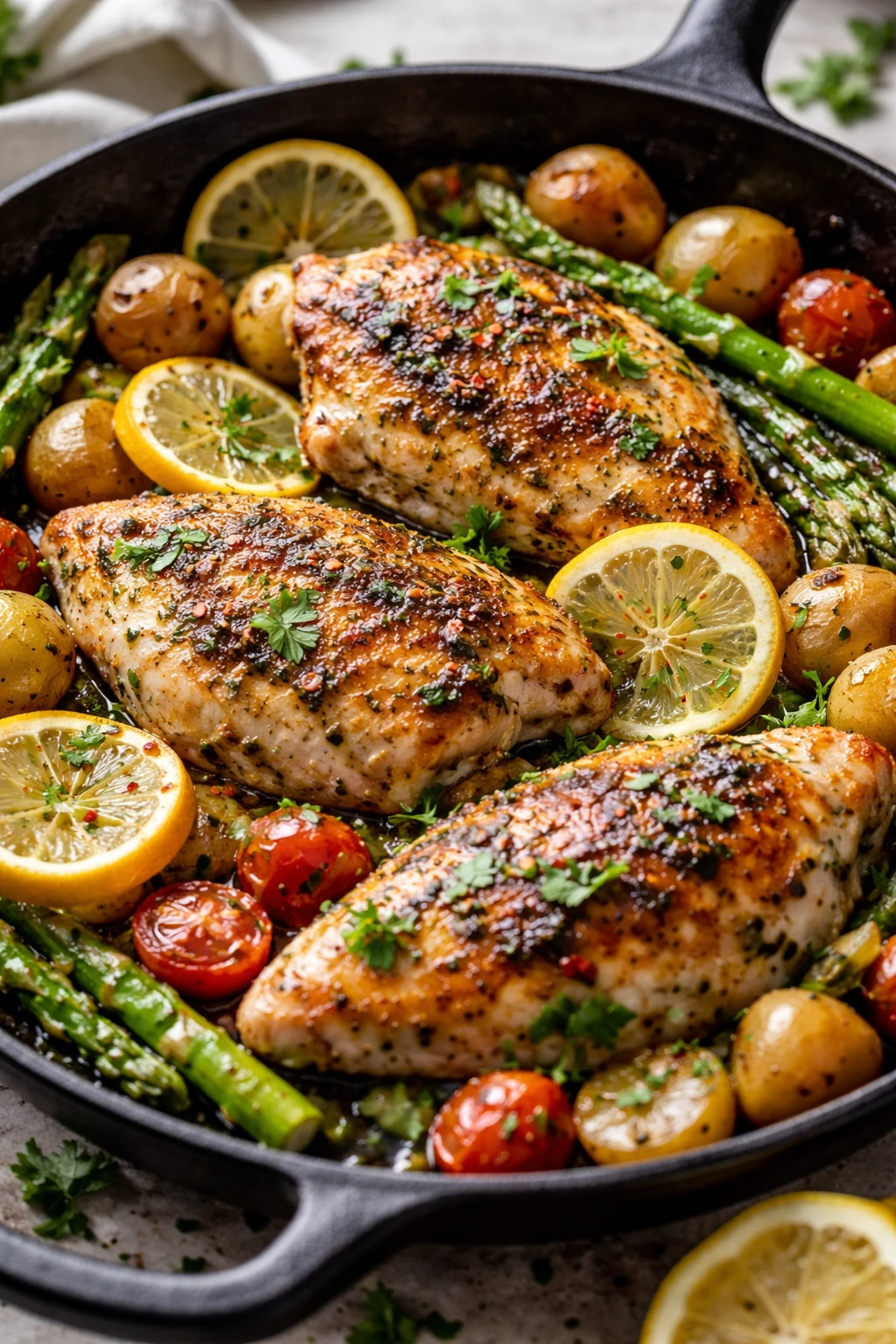
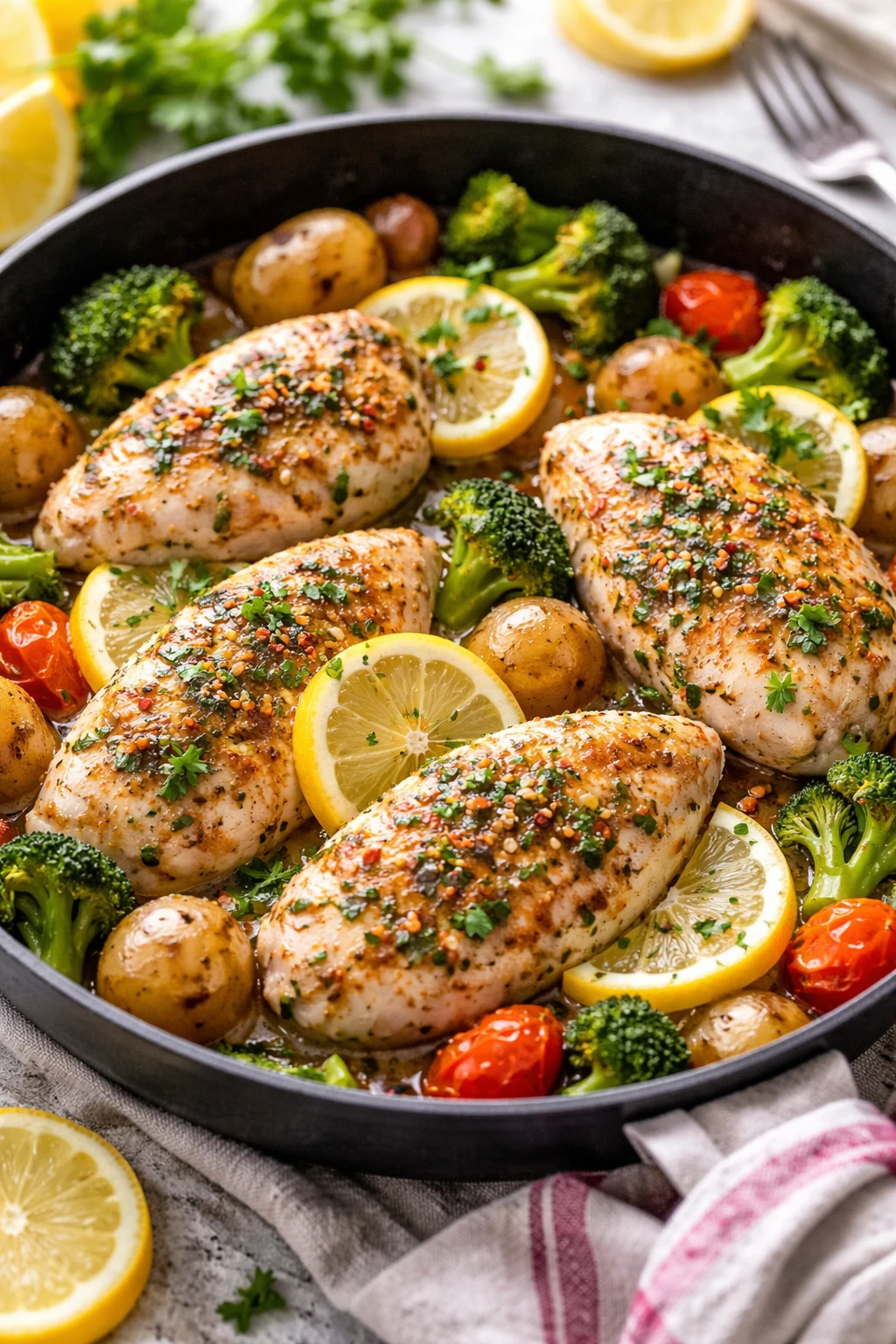
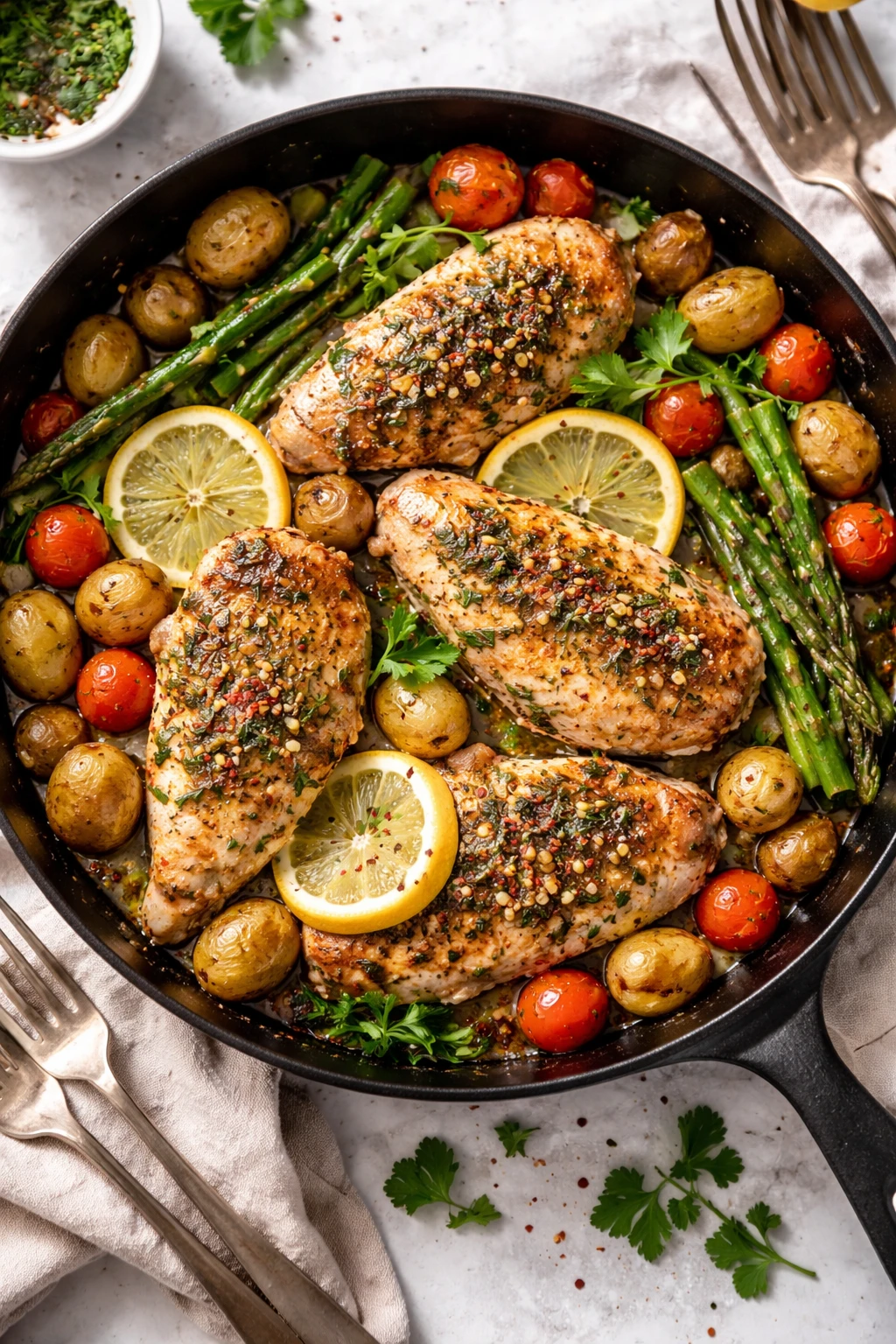
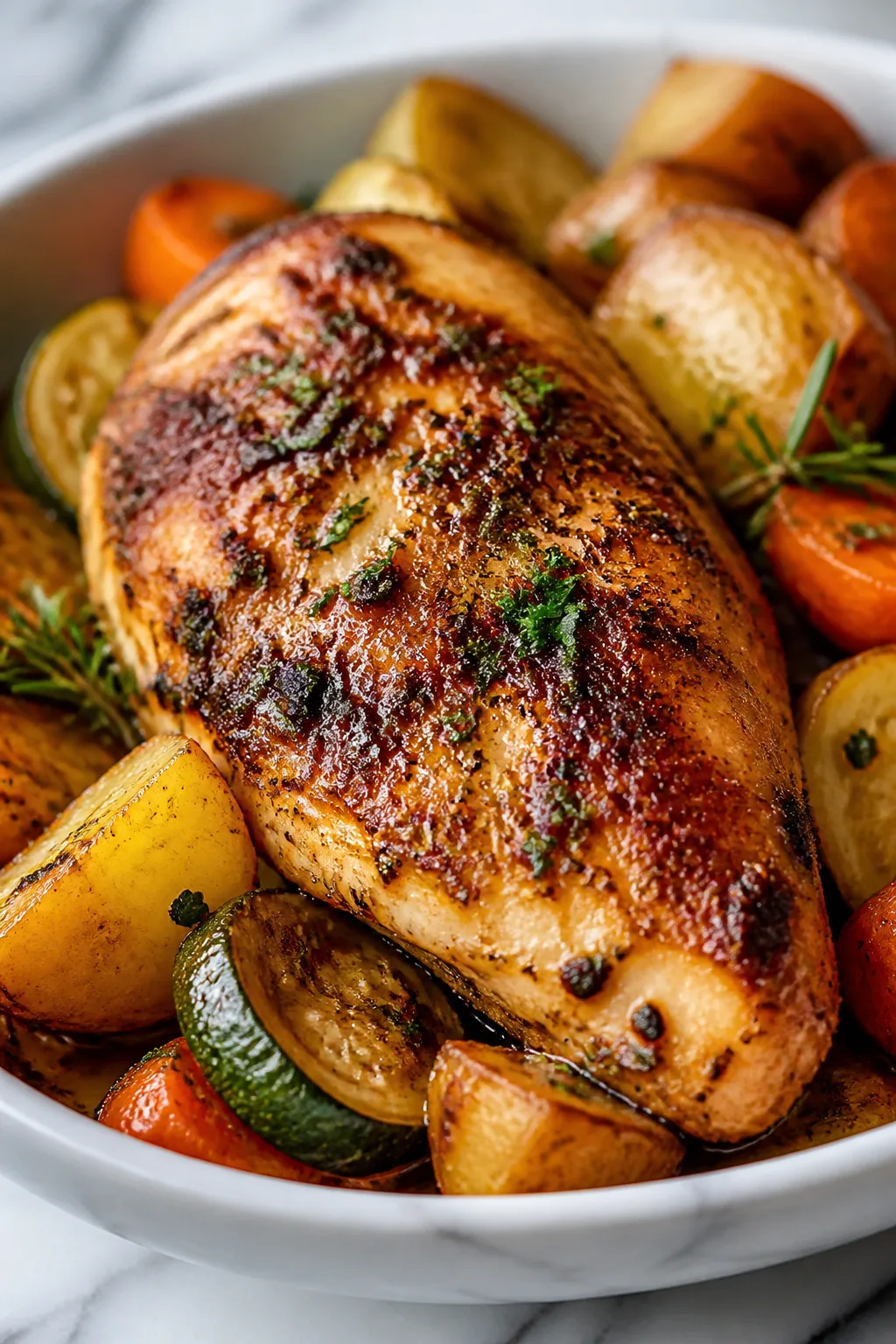
This one-pan lemon herb chicken is my absolute favorite for busy weeknights. The fresh lemon and herbs add a zesty brightness that lifts the whole dish. It’s quick, easy, and all cooked in one pan—less mess, more flavor!
Introduction
I first made this one-pan lemon herb chicken on a hectic weeknight when I desperately needed something fast but fresh. It quickly became a favorite because it’s both bright and comforting, plus cleanup is a breeze. What sets this version apart is the combination of fresh lemon zest and juice with a blend of herbs that really wake up the chicken’s flavor without overpowering it. I’ve learned that patting the chicken dry before seasoning helps get a nice golden crust during cooking, which locks in juiciness. Also, cooking everything in one pan means the garlic and lemon juices mingle with the chicken, creating a saucy base to spoon over rice or veggies. The finished dish looks vibrant with flecks of green parsley and a beautiful golden-brown crust on the chicken. It’s the kind of meal that feels special but doesn’t require hours in the kitchen. I think you’ll love how fresh and simple it tastes—perfect for those nights when you want something delicious but don’t want to fuss.
How To Do It
Step 1
Start by patting the chicken breasts dry with paper towels. This step is crucial because removing excess moisture helps the chicken brown properly instead of steaming. Heat the olive oil in a large skillet over medium-high heat until shimmering but not smoking. Add the chicken breasts carefully, making sure not to crowd the pan. Let them cook undisturbed for about 5-6 minutes on the first side. You’re aiming for a deep golden crust here, which locks in the juices and adds flavor. Avoid flipping too early or moving the chicken around, or it won’t brown evenly.
⏱ Time: 6 minutes
✓ Doneness: Chicken edges turn opaque and golden brown crust forms on the bottom
Step 2
Flip the chicken breasts over and reduce heat to medium. Add the minced garlic to the pan around the chicken—be careful not to burn it as garlic cooks quickly and can turn bitter. Sprinkle the lemon zest, dried oregano, thyme, salt, and pepper evenly over the chicken. Squeeze the juice of the lemon over everything, letting it mingle in the pan. Cook for an additional 6-8 minutes, spooning some pan juices over the chicken occasionally to keep it moist. This step infuses the chicken with citrusy brightness and herb aroma while finishing the cooking gently.
⏱ Time: 8 minutes
✓ Doneness: Chicken reaches an internal temperature of 165°F and garlic is fragrant but not browned
Step 3
Once the chicken is cooked through and the pan sauce has slightly thickened, remove the skillet from heat. Let the chicken rest for 5 minutes before slicing. Resting allows the juices to redistribute inside the meat, making each bite juicy and tender rather than dry. While resting, sprinkle chopped fresh parsley over the chicken for a fresh, herbal finish that complements the lemon and garlic beautifully.
⏱ Time: 5 minutes
✓ Doneness: Chicken juices run clear and meat feels firm but springy to the touch
Step 4
Serve the lemon herb chicken with your favorite sides like steamed vegetables, rice, or a crisp salad. Spoon extra pan sauce over the chicken to add moisture and flavor. The sauce, reduced from lemon juice, garlic, and herbs, ties the whole dish together with a tangy, savory note that’s simply irresistible.
⏱ Time: 2 minutes
✓ Doneness: Sauce is glossy and coats the chicken nicely
Step 5
If you want to add a little extra texture and flavor, toast some pine nuts or slivered almonds in a dry pan and sprinkle them over the finished dish. This adds a lovely crunch that contrasts with the tender chicken and bright sauce.
⏱ Time: 3 minutes
✓ Doneness: Nuts are golden and fragrant but not burnt
Step 6
For a more intense herb flavor, you can finely chop some fresh oregano and thyme instead of using dried herbs. Add these at the very end of cooking or as a garnish to preserve their brightness and fragrance.
⏱ Time: Optional, 1 minute
✓ Doneness: Herbs remain vibrant green and aromatic
Step 7
Make sure to keep an eye on the garlic during cooking—it can quickly go from golden to burnt, which imparts bitterness. Adding the garlic after flipping the chicken helps prevent overcooking it while still infusing the dish with flavor.
⏱ Time: Throughout cooking
✓ Doneness: Garlic turns light golden and smells sweet, never dark brown
Step 8
If your chicken breasts are uneven in thickness, consider pounding them lightly to an even thickness before cooking. This ensures they cook evenly, preventing the thinner parts from drying out while the thicker parts finish cooking.
⏱ Time: 5 minutes prep
✓ Doneness: Chicken breasts are uniform in thickness about 3/4 inch thick
Step 9
Use a meat thermometer to check doneness rather than cutting into the chicken early. The safe internal temperature is 165°F. Overcooking leads to dry chicken, so this tool helps guarantee juicy results every time.
⏱ Time: Throughout cooking
✓ Doneness: Thermometer reads 165°F in thickest part of chicken breast
Pro Tips
Always pat your chicken dry before seasoning and cooking.
Moisture on the chicken’s surface prevents proper browning because it turns the cooking environment steamy. Patting dry ensures the Maillard reaction occurs, which is key to developing flavor and color.
Use a meat thermometer to check doneness.
Cooking chicken to exactly 165°F prevents overcooking and dryness. Guessing can lead to either undercooked or dry meat, but the thermometer ensures juicy, safe results every time.
Add garlic after flipping the chicken.
Garlic burns quickly at high heat, creating bitterness. Adding it later in the cooking process allows it to soften and flavor the pan without burning.
Rest the chicken after cooking before slicing.
Resting lets juices redistribute inside the meat, resulting in tender, juicy chicken rather than dry or tough pieces when cut.
Use fresh lemon zest along with juice for best flavor.
The zest contains essential oils that add a bright, aromatic citrus flavor that bottled lemon juice cannot replicate.
Don’t overcrowd the pan.
Crowding traps steam and prevents browning. Cook chicken in batches if needed to get a nice crust.
Consider pounding uneven chicken breasts to uniform thickness.
This ensures even cooking, preventing dry edges or undercooked centers.
Common Mistakes to Avoid
Skipping the drying step on chicken breasts
Why it happens Many assume rinsing or patting isn’t necessary and underestimate how moisture affects browning.
Fix Make sure to thoroughly pat chicken dry with paper towels before seasoning. This removes excess water that would otherwise steam the meat and prevent the development of a golden crust.
Adding garlic too early and burning it
Why it happens Garlic cooks faster than chicken and can turn bitter if exposed to high heat too long.
Fix Add garlic only after flipping the chicken breasts to the second side, allowing it to gently cook in the pan juices without burning.
Cooking chicken at too high heat the whole time
Why it happens Some try to rush cooking by keeping heat high, which browns outside but leaves inside raw or causes burning.
Fix Start on medium-high heat to brown, then reduce to medium to finish cooking gently and evenly.
Not resting the chicken before slicing
Why it happens In excitement to eat, people cut chicken right away, causing juices to run out.
Fix Let the chicken rest 5 minutes off heat so juices redistribute, keeping meat moist and tender.
Overcrowding the pan
Why it happens Trying to cook all chicken breasts at once to save time.
Fix Cook in batches if necessary to allow space between pieces for proper browning and avoid steaming.
Variations
Creamy Lemon Herb Chicken
Add a splash of heavy cream or coconut milk after cooking the chicken to create a rich, velvety sauce. This makes the dish more indulgent and perfect for colder nights.
Note: After removing chicken, reduce heat and stir in cream; simmer gently to thicken sauce before serving.
Spicy Lemon Herb Chicken
Mix in red pepper flakes or a dash of cayenne with the herbs for a spicy kick. It adds warmth and depth without overpowering the fresh lemon flavor.
Note: Add spices along with dried herbs to bloom flavors in the oil.
Mediterranean Style with Olives and Tomatoes
Toss in halved cherry tomatoes and pitted olives to the pan after flipping the chicken. The juicy tomatoes and salty olives create a vibrant, Mediterranean-inspired meal.
Note: Cook tomatoes and olives until softened but still holding shape, about 5-7 minutes.
Herb-Marinated Grilled Chicken
Marinate the chicken breasts in lemon juice, olive oil, garlic, and herbs for 1-2 hours, then grill instead of pan-frying. This adds smoky flavor and perfect grill marks.
Note: Ensure marinade time is sufficient and grill over medium heat to avoid drying out.
Lemon Herb Chicken Thighs
Swap chicken breasts for bone-in, skin-on thighs for a juicier, more flavorful result. Adjust cooking time accordingly to ensure thighs are cooked through.
Note: Sear skin side first until crisp, then finish cooking skin side up to render fat and crisp skin.
Nutrition
Per Serving:
Nutritional values are estimates and may vary based on specific ingredients used.
Storage & Tips
Room Temperature
You can keep the cooked chicken at room temperature for up to 2 hours if covered to prevent drying out. Beyond that, refrigeration is recommended to avoid spoilage.
Refrigerator
Store leftover chicken in an airtight container in the fridge for up to 3 days. The flavors may deepen but the chicken can become slightly drier; reheat gently to avoid toughness.
Freezer
Freeze cooked chicken in a sealed container or freezer bag for up to 2 months. Wrap tightly to prevent freezer burn. Thaw overnight in the fridge before reheating.
Reheating
Reheat on the stovetop over low heat with a splash of water or broth to keep chicken moist, or microwave in short bursts. Avoid overheating which can dry it out.
Make Ahead
You can marinate the chicken up to 24 hours ahead and refrigerate. Cook fresh on the day you plan to serve for best texture and flavor.
FAQ
Can I use chicken thighs instead of breasts?
Absolutely! Chicken thighs are juicier and more forgiving with cooking times. Use bone-in, skin-on thighs for best flavor, but increase cooking time by about 10 minutes and ensure internal temperature reaches 165°F.
What can I substitute for dried oregano and thyme?
You can use fresh herbs like rosemary, basil, or tarragon, but add them at the end of cooking to preserve their delicate flavors. Alternatively, Italian seasoning blends work well as a substitute.
How do I prevent garlic from burning?
Add minced garlic after flipping the chicken to the second side and cook on medium heat. Keep an eye on it and stir gently to prevent sticking or burning.
Is it okay to use bottled lemon juice?
While bottled lemon juice works in a pinch, it lacks the fresh zest oils that add brightness and aroma. For best flavor, use fresh lemons and add both zest and juice.
Can I make this recipe gluten-free?
Yes! This recipe is naturally gluten-free as long as you use gluten-free herbs and seasonings. Just double-check any spice blends for hidden gluten.
What sides pair best with this chicken?
Simple sides like steamed vegetables, rice, quinoa, or a fresh salad work beautifully. The lemon herb sauce is versatile and complements many grains and greens.
How do I know when the chicken is done without a thermometer?
Cut into the thickest part; the juices should run clear and the meat should be opaque throughout. However, a thermometer is the best way to ensure safety and juiciness.
Can I double this recipe for a larger crowd?
Yes, but cook the chicken in batches to avoid overcrowding the pan. Overcrowding leads to steaming rather than browning, which affects texture and flavor.
Final Thoughts
I hope you enjoy this fresh, easy lemon herb chicken as much as I do! Give it a try and let me know how it turns out—your weeknight dinners just got a little brighter.