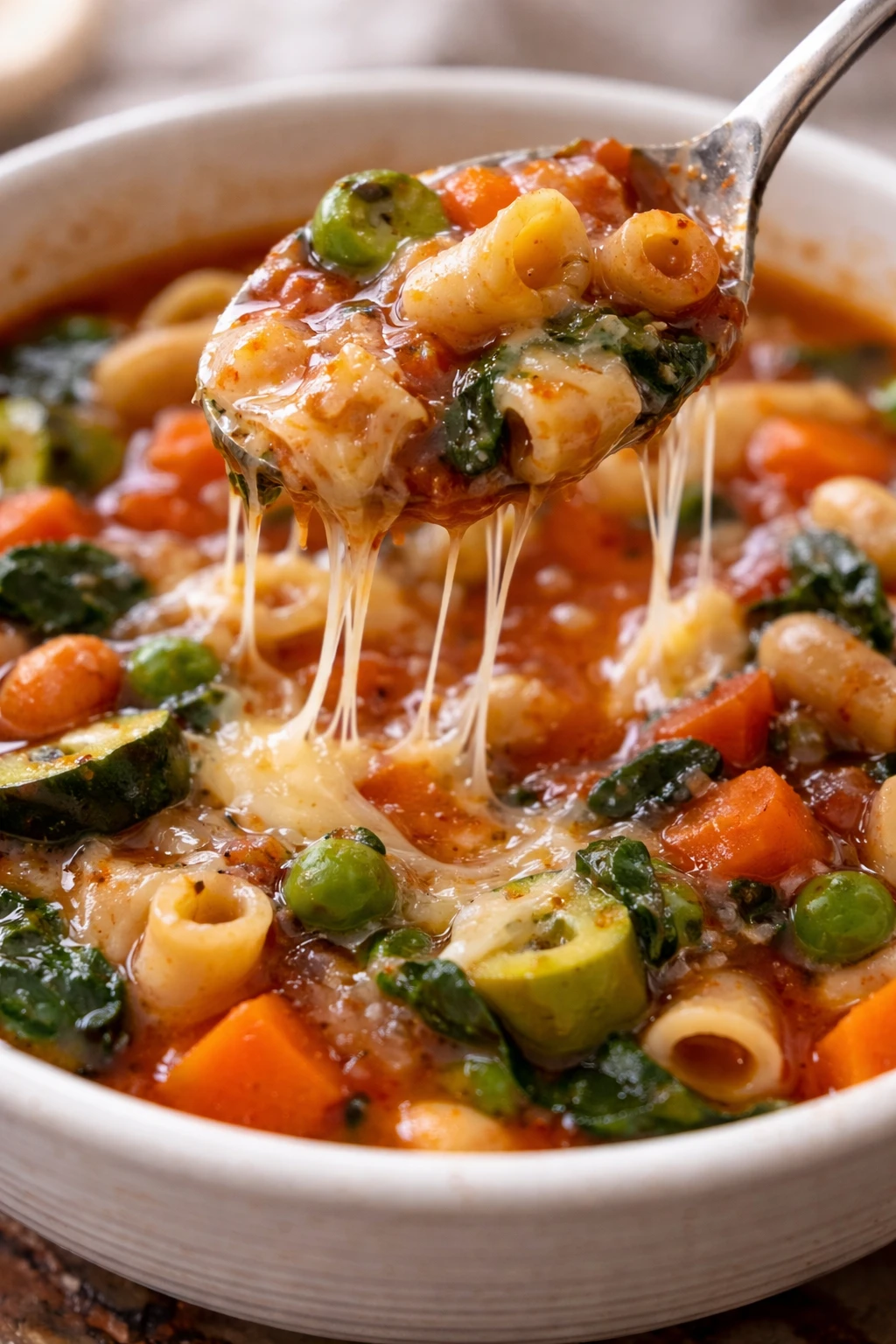
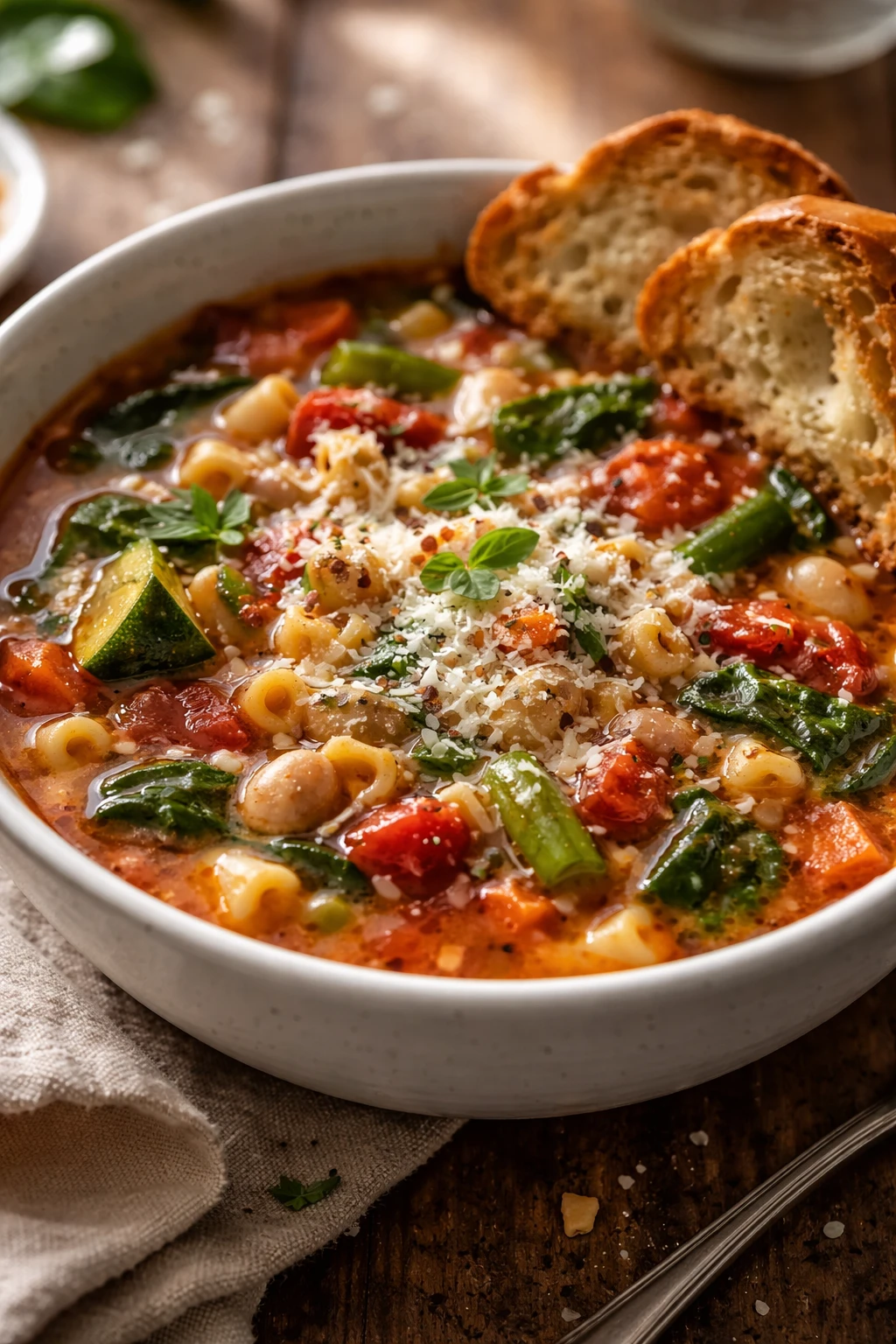
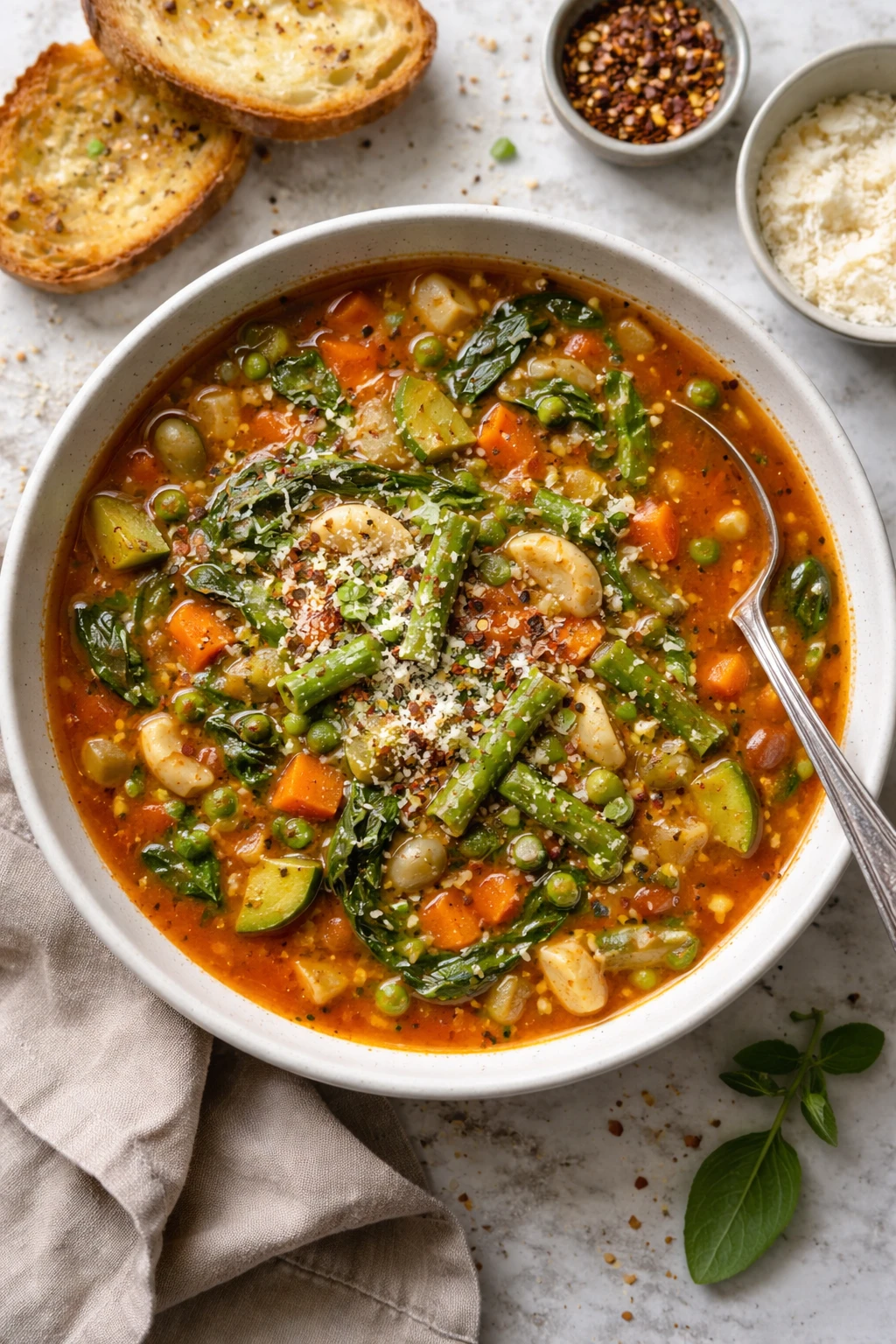
A traditional minestrone soup recipe featuring fresh spring vegetables and herbs simmered slowly to develop a rich, comforting broth. This recipe explains the importance of layering flavors and timing vegetable additions for the best texture and balance.
Introduction
I often turn to minestrone soup in early spring when fresh vegetables start appearing at the market. This version stands out because it gently simmers the broth long enough to marry the flavors without overcooking the tender vegetables added later. The balance between the earthy beans, fresh herbs, and a hint of acidity from the tomatoes creates a comforting yet lively dish. It’s an ideal meal for a light lunch or a warming dinner on a cool evening. The way the broth takes on a subtle sweetness and depth after slow simmering always reminds me of family dinners where everyone gathered around the table to share stories and food. Here, I’ll share how to build the layers of flavor and achieve the best vegetable textures.
How To Do It
Step 1
Heat the olive oil in a large pot over medium heat until shimmering, about 1-2 minutes. Add diced onion, carrot, and celery with a pinch of salt. Stir occasionally and cook for 6-8 minutes until the vegetables soften and the onion becomes translucent with a faint golden tint. This gentle sauté releases natural sweetness and aromas.
⏱ Time: 6-8 minutes
✓ Doneness: Onion is translucent and tender, carrots and celery begin to soften, aroma is fragrant and slightly sweet
Step 2
Add the minced garlic and cook for 1 minute, stirring constantly to prevent burning. The garlic should become fragrant but not browned, releasing its aromatic oils.
⏱ Time: 1 minute
✓ Doneness: Strong garlic aroma without bitterness
Step 3
Stir in the diced tomatoes with their juice, dried oregano, and dried basil. Cook for 3-4 minutes, stirring occasionally, allowing the tomatoes to break down slightly and the herbs to bloom in the heat. This step deepens the tomato flavor and melds the herbs into the base.
⏱ Time: 3-4 minutes
✓ Doneness: Tomato mixture thickens slightly, aroma of herbs becomes pronounced
Step 4
Pour in the vegetable broth and bring the mixture to a gentle boil over medium-high heat. Once boiling, reduce heat to low and simmer uncovered for 20 minutes. This slow simmer extracts flavors from the tomatoes and herbs while allowing the broth to develop depth.
⏱ Time: 20 minutes
✓ Doneness: Broth deepens in color, gentle steam rises, aroma is rich and balanced
Step 5
Add the diced potato, green beans, and carrots to the pot. Simmer uncovered for 15 minutes, stirring occasionally. This timing softens the root vegetables while preserving the green beans’ slight bite and vibrant color.
⏱ Time: 15 minutes
✓ Doneness: Potatoes are fork-tender but intact, green beans remain bright green and slightly crisp
Step 6
Add the zucchini and cooked cannellini beans, then stir in the small pasta. Continue simmering uncovered for 8-10 minutes until the pasta is al dente and zucchini is tender but not mushy. Stir occasionally to prevent pasta sticking.
⏱ Time: 8-10 minutes
✓ Doneness: Pasta is tender with slight firmness, zucchini is soft yet holds shape, soup thickens slightly
Step 7
Season the soup with salt and freshly ground black pepper to taste. Stir in chopped fresh parsley just before serving to add a fresh herbal note.
⏱ Time: 0 minutes (final seasoning)
✓ Doneness: Soup is well seasoned, parsley adds fresh green flecks and aroma
Pro Tips
Dry the vegetables well before adding to the pot to avoid excess moisture diluting the soup’s flavor.
Excess water from wet vegetables can thin the broth and slow down caramelization during sautéing, reducing depth of flavor.
Add vegetables in stages based on their cooking times to maintain individual textures and colors.
Root vegetables take longer to soften, while delicate vegetables like zucchini and green beans cook quickly. This timing preserves the soup’s vibrancy and prevents mushiness.
Use low-sodium broth to control the soup’s salt level effectively.
Broth reduction during simmering concentrates saltiness. Starting with low sodium prevents an overly salty final dish.
Stir the soup occasionally during simmering to prevent pasta from sticking and ensure even cooking.
Pasta tends to settle and stick at the bottom if left undisturbed, which can cause uneven texture and burning.
Add fresh herbs at the end rather than during the simmer to preserve their bright flavor and color.
Prolonged cooking dulls fresh herbs’ aroma and can cause color fading, reducing the soup’s freshness.
If you prefer a thicker soup, increase the quantity of beans or reduce the broth slightly before adding pasta.
Beans release starch which thickens the broth naturally, and reducing liquid concentrates flavors without needing additional thickeners.
Common Mistakes to Avoid
Adding all vegetables at once at the beginning.
Why it happens It may seem simpler, but different vegetables require different cooking times.
Fix Add root vegetables first, then quicker-cooking ones later to avoid overcooking and loss of texture.
Boiling the soup vigorously rather than simmering gently.
Why it happens High heat seems to cook faster but causes ingredients to break down unevenly and flavors to become muddled.
Fix Maintain a gentle simmer to allow flavors to develop slowly and maintain ingredient integrity.
Overcooking pasta inside the soup.
Why it happens Pasta left too long will become mushy and soak up too much broth.
Fix Add pasta last and cook just until al dente, or cook separately and add before serving.
Not seasoning gradually during cooking.
Why it happens Adding all salt at once can lead to uneven seasoning.
Fix Season lightly early and adjust at the end to balance flavors accurately.
Variations
Gluten-Free Minestrone
Replace pasta with gluten-free alternatives like rice, quinoa, or gluten-free pasta. Ensure broth and canned ingredients are gluten-free.
Note: Cooking times may vary slightly; monitor pasta substitutes closely to avoid overcooking.
Vegan Minestrone
Use vegetable broth and omit Parmesan cheese. Add nutritional yeast or a splash of soy sauce for umami depth if desired.
Note: Ensure all canned products do not contain animal-derived ingredients.
Hearty Winter Minestrone
Add chopped kale or Swiss chard along with root vegetables for extra nutrition and texture. Use winter squash instead of zucchini.
Note: Leafy greens cook quickly; add in the last 5 minutes to prevent overcooking.
Spicy Minestrone
Add 1/4 tsp red pepper flakes during the sauté of aromatics for a mild heat. Garnish with fresh basil instead of parsley for a peppery finish.
Note: Adjust chili flakes to taste to avoid overpowering the delicate vegetable flavors.
Protein-Boosted Minestrone
Add cooked chicken breast or Italian sausage slices after the beans and before pasta for extra protein.
Note: Ensure meat is cooked through before adding to the soup; adjust seasoning accordingly.
Nutrition
Per Serving:
approximately 230
Calories
These values are estimates and may vary based on exact ingredient brands and preparation. Using canned beans and broth impacts sodium content.
Storage & Tips
Room Temperature
Do not leave the soup at room temperature for more than 2 hours after cooking to prevent bacterial growth.
Refrigerator
Store cooled soup in airtight containers for up to 4 days. Flavors meld over time but pasta may absorb broth and soften further.
Freezer
Freeze soup without pasta for up to 3 months in freezer-safe containers. Add fresh pasta when reheating after thawing.
Reheating
Reheat gently on the stovetop over medium-low heat, stirring occasionally to prevent sticking. Add a splash of broth or water if the soup thickens too much.
Make Ahead
Prepare the soup base up to the simmering step and refrigerate for up to 24 hours. Add tender vegetables and pasta fresh before serving to maintain texture.
FAQ
Can I make minestrone soup ahead of time?
Yes, you can prepare the base and refrigerate it for up to 24 hours. Add delicate vegetables and pasta fresh before serving to keep their texture.
Why is my minestrone soup too watery?
This usually happens if too much broth is added or if the soup is not simmered long enough to concentrate flavors. Simmer uncovered to reduce excess liquid.
Can I use dried beans instead of canned beans?
Yes, soak and cook dried beans separately before adding them to the soup. This ensures they soften properly without overcooking other ingredients.
How long does minestrone soup last in the fridge?
Stored properly in airtight containers, minestrone soup lasts up to 4 days refrigerated.
Can I freeze minestrone soup with pasta?
It’s best to freeze minestrone soup without pasta, as pasta can become mushy after freezing and reheating. Add fresh pasta when reheating.
Can I substitute the vegetables in this soup?
Yes, you can swap vegetables based on seasonality or preference, but adjust cooking times to maintain texture and flavor balance.
Final Thoughts
Minestrone soup offers a satisfying way to enjoy fresh vegetables in a comforting broth. Understanding the timing and layering of ingredients helps achieve a balance of textures and flavors. I welcome your thoughts and experiences with this recipe; feel free to share your feedback or questions below.