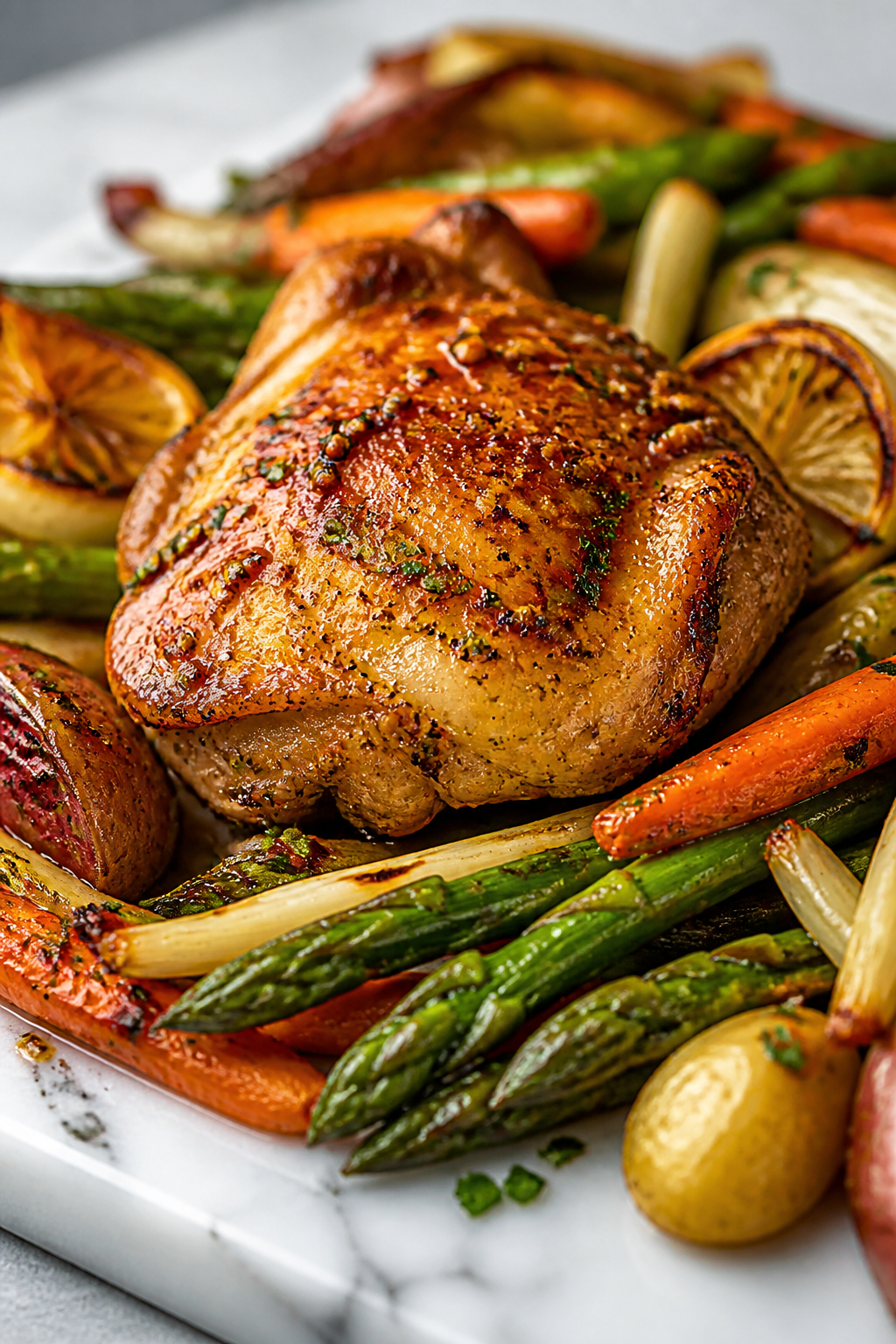
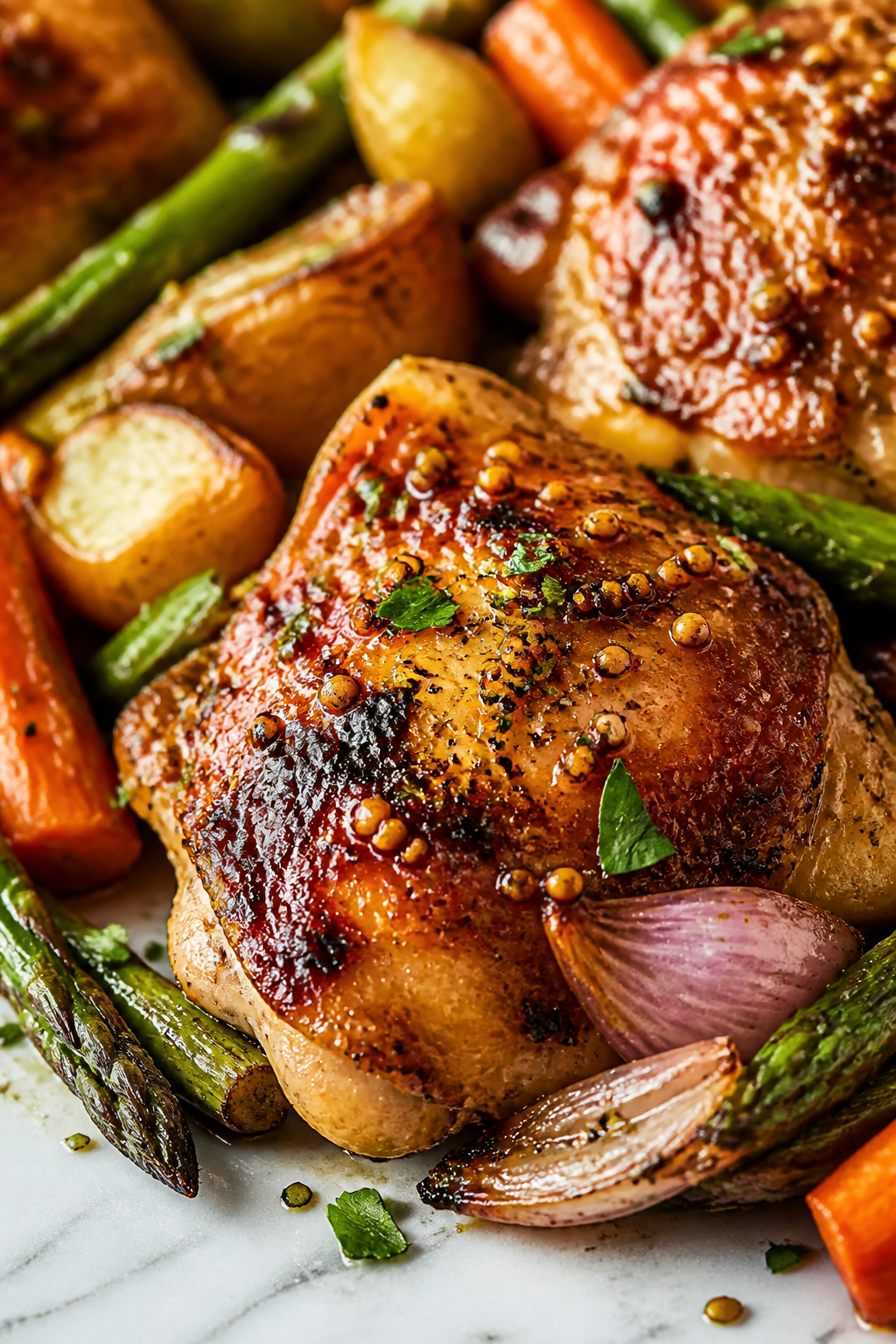
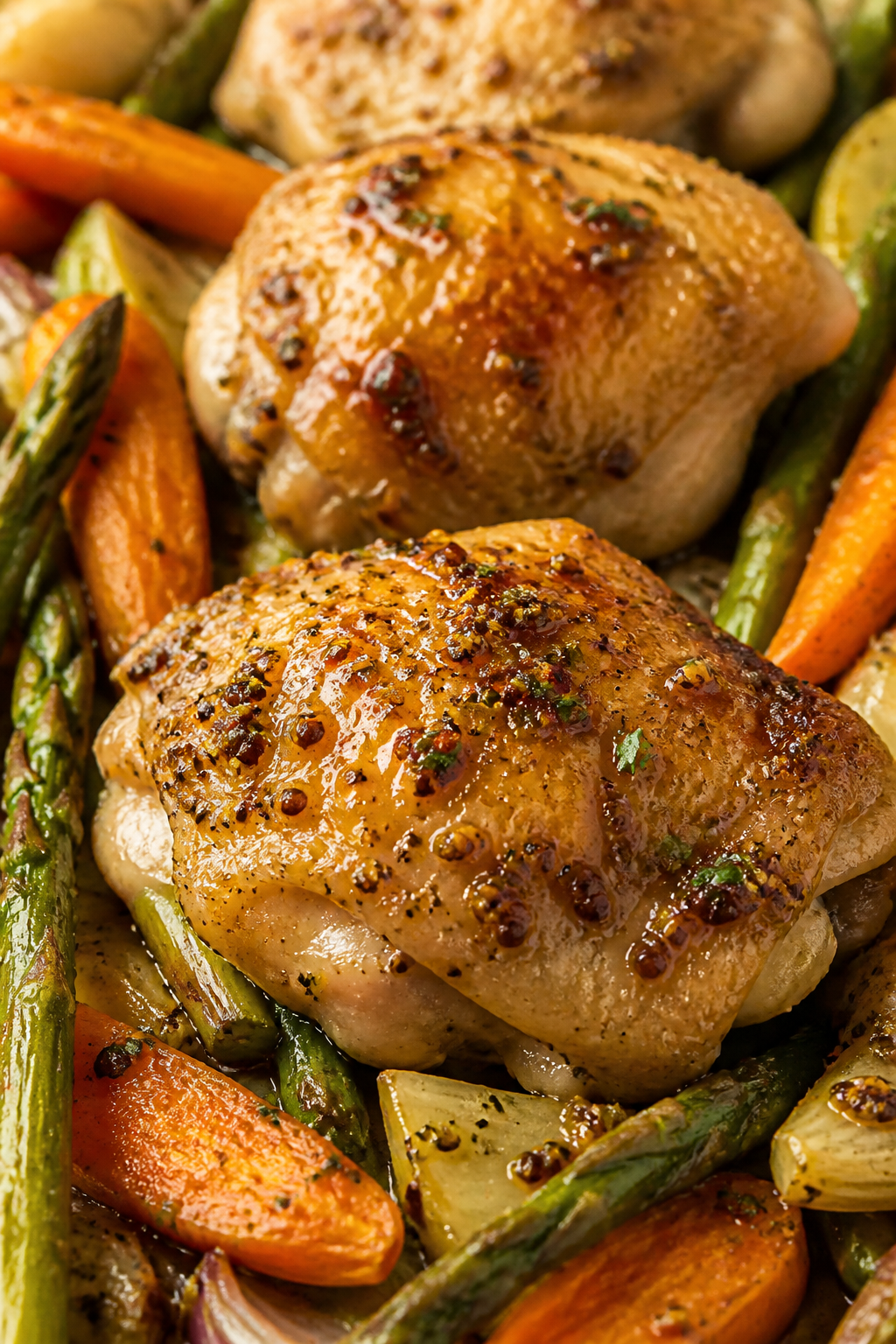
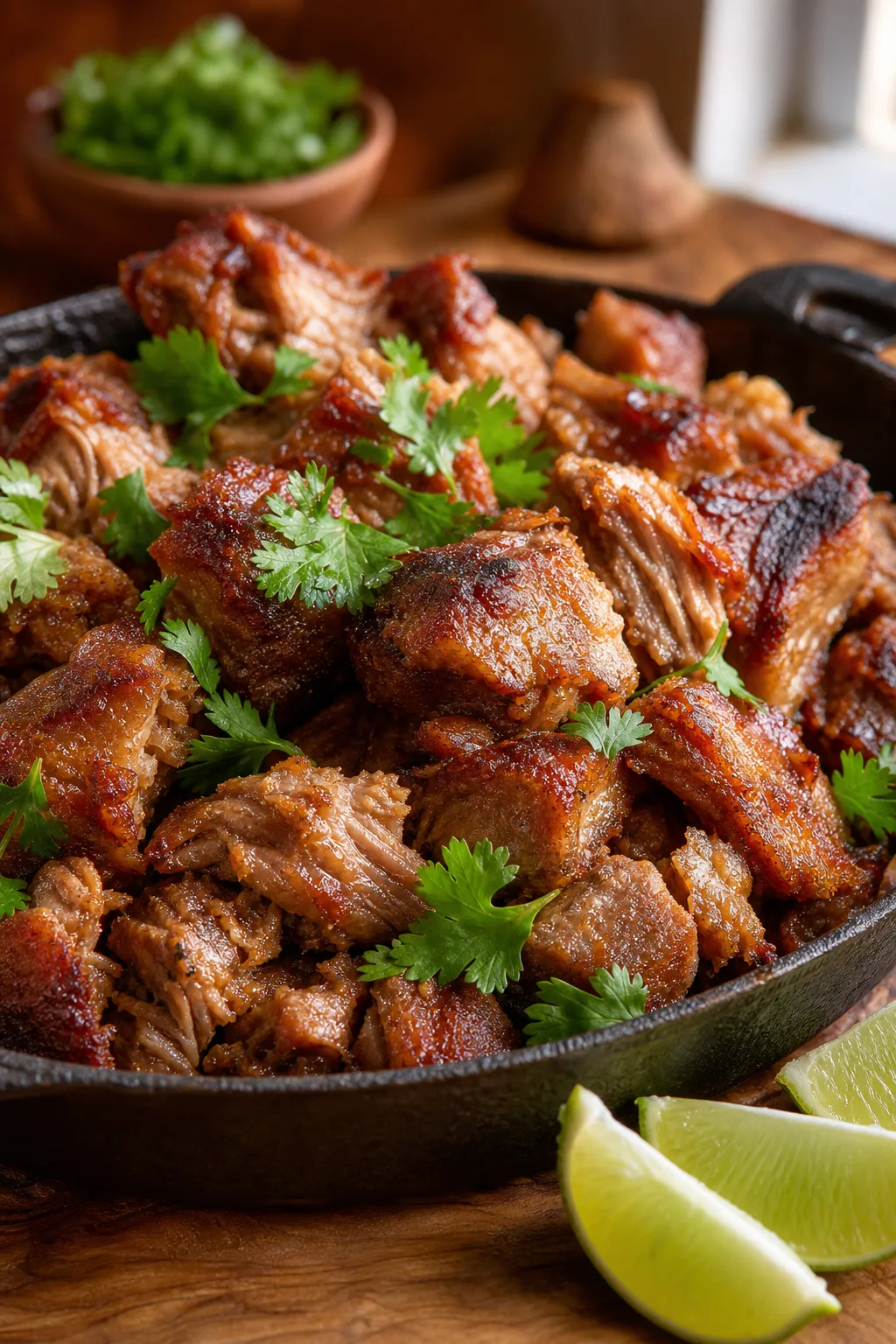
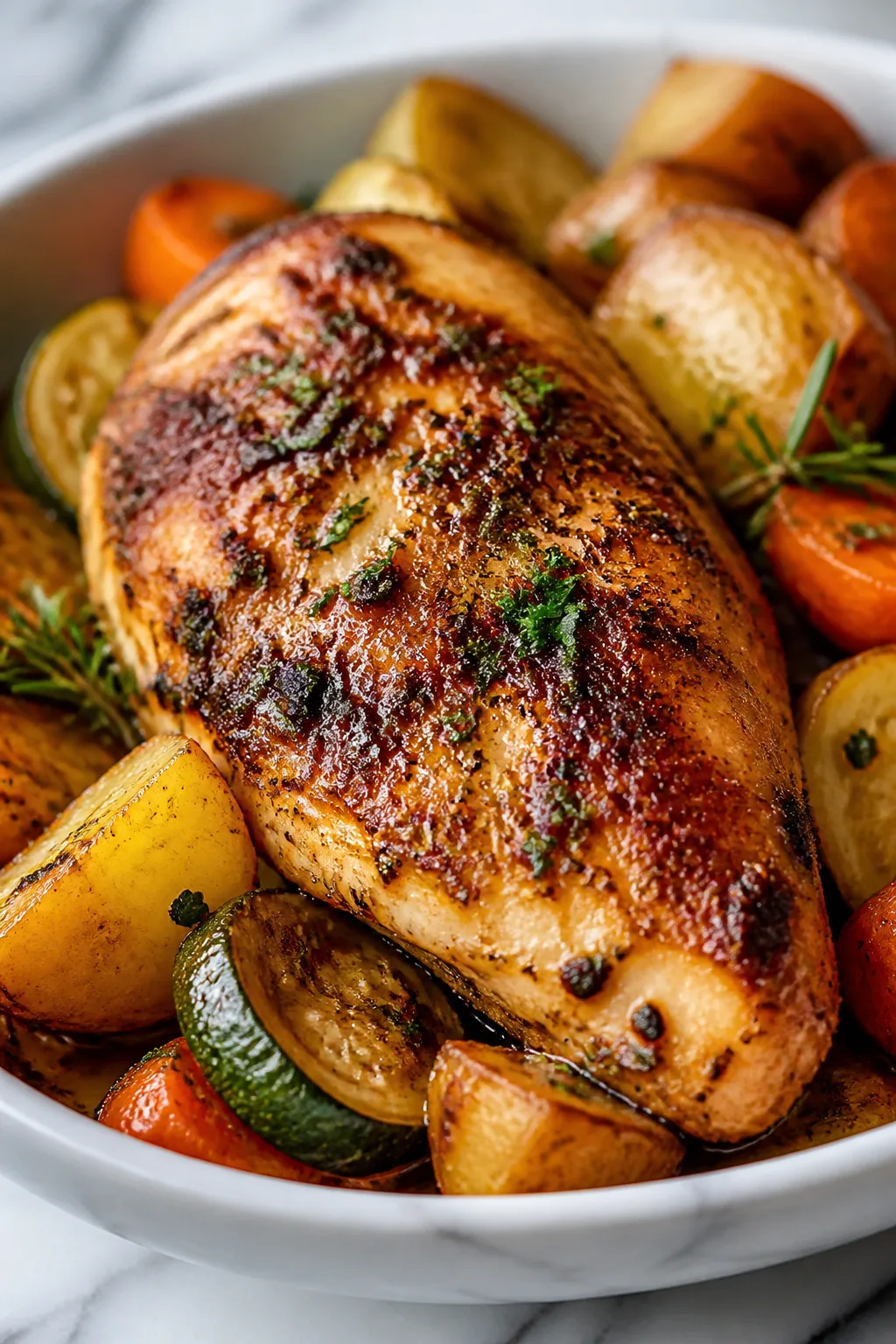
This one-pan dinner pairs juicy chicken thighs with a tangy honey mustard glaze and tender roasted spring veggies. It’s effortless and perfect for busy weeknights or casual family meals.
Introduction
I first stumbled upon this honey mustard chicken recipe on a hectic weeknight when I needed something quick but still flavorful. What I love about this dish is how it balances sweet and tangy flavors with juicy, tender chicken thighs and fresh spring veggies all roasted together in one pan. It’s a total game-changer for those nights when you want a satisfying meal without a mountain of dishes. Over time, I tweaked the glaze to include a splash of apple cider vinegar and smoked paprika, which gives it a subtle smoky depth and bright acidity. The secret to juicy chicken here is starting with skin-on thighs and giving them enough time in the oven to crisp up while the veggies roast perfectly alongside. The finished dish looks vibrant with those colorful vegetables and golden chicken skin, and it tastes like you spent hours in the kitchen when really, it’s super simple. I think this recipe works great for casual family dinners but also feels special enough to serve guests. Plus, the leftovers reheat beautifully for lunch the next day!
How To Do It
Step 1
Preheat your oven to 425°F (220°C). Pat the chicken thighs dry with paper towels—this is crucial because dry skin crisps up better in the oven. Season both sides generously with salt, pepper, and smoked paprika. The paprika adds a smoky note that complements the honey mustard glaze later. Avoid skipping the drying step to prevent soggy skin.
⏱ Time: 10 minutes
✓ Doneness: Chicken skin looks dry and seasoned evenly, no moisture visible
Step 2
In a small bowl, whisk together Dijon mustard, honey, apple cider vinegar, and minced garlic. This mixture is your glaze. The vinegar balances the sweetness of the honey and adds brightness. Don’t rush this step—make sure the honey is fully incorporated for a smooth texture.
⏱ Time: 5 minutes
✓ Doneness: Glaze is smooth, glossy, and well combined
Step 3
Heat olive oil in a large ovenproof skillet over medium-high heat. Once hot, add the chicken thighs skin-side down. Sear without moving for about 5-6 minutes until the skin is deeply golden and crisp. This step locks in juices and creates that crave-worthy crispy skin. Avoid overcrowding the pan to ensure even browning.
⏱ Time: 6 minutes
✓ Doneness: Skin is golden brown and releases easily from the pan
Step 4
Flip the chicken thighs and cook the other side for 2 minutes just to get a bit of color. Then remove the chicken from the pan and set aside temporarily. This prevents overcooking during the veggie roasting stage.
⏱ Time: 2 minutes
✓ Doneness: Second side lightly browned but not fully cooked
Step 5
Add the chopped spring vegetables to the same skillet. Toss them in the chicken drippings and olive oil left in the pan, seasoning lightly with salt and pepper. This step infuses the veggies with flavor and helps them roast beautifully. Don’t skip tossing to coat evenly.
⏱ Time: 3 minutes
✓ Doneness: Vegetables glisten with oil and seasoning, evenly coated
Step 6
Nestle the chicken thighs back into the pan among the veggies, skin-side up. Spoon half of the honey mustard glaze over each piece of chicken. This layering ensures the glaze caramelizes nicely in the oven while the chicken roasts.
⏱ Time: 3 minutes
✓ Doneness: Chicken glazed evenly, veggies arranged comfortably around
Step 7
Transfer the skillet to the oven and roast for 20-25 minutes, or until the chicken reaches an internal temperature of 165°F (74°C) and veggies are tender. The high heat helps caramelize the glaze and roast the vegetables perfectly. Avoid opening the oven too often to keep the temperature consistent.
⏱ Time: 25 minutes
✓ Doneness: Chicken juices run clear, veggies are tender and slightly caramelized
Step 8
Remove the skillet from the oven and spoon the remaining glaze over the chicken and veggies while hot. Let the dish rest for 5 minutes before serving to allow juices to redistribute and flavors to settle.
⏱ Time: 5 minutes
✓ Doneness: Glaze is shiny and slightly sticky, chicken skin remains crisp
Step 9
Garnish with fresh thyme sprigs if desired for a pop of color and herbal aroma. Serve this one-pan meal straight from the skillet for a rustic, cozy presentation. Enjoy the sweet, tangy, and smoky flavors mingling with tender roasted vegetables.
⏱ Time: 2 minutes
✓ Doneness: Thyme looks fresh and vibrant, dish is visually appealing
Pro Tips
Pat chicken thighs very dry before seasoning.
Removing moisture from the skin ensures it crisps up nicely instead of steaming. If the skin is damp, it won’t brown well and can become rubbery.
Don’t overcrowd the pan when searing chicken.
Crowding lowers the pan temperature, causing the chicken to steam rather than sear. This prevents the skin from crisping and reduces flavor development.
Use a high oven temperature (425°F) for roasting.
High heat promotes caramelization of the glaze and vegetables, enhancing flavor and texture. Lower temperatures can produce soggy skin and bland veggies.
Let the chicken rest after roasting before serving.
Resting helps juices redistribute within the meat, ensuring every bite is juicy and tender instead of dry.
Use bone-in, skin-on thighs for best results.
The bone adds flavor and helps cook the meat evenly, while the skin crisps up for added texture and taste.
Toss veggies in chicken drippings and oil before roasting.
This adds flavor and promotes even roasting, preventing veggies from drying out or sticking to the pan.
Apply the glaze twice—before and after roasting.
Layering the glaze ensures a sticky, flavorful coating that caramelizes perfectly during cooking.
Common Mistakes to Avoid
Skipping drying the chicken skin before cooking.
Why it happens Many assume seasoning is enough but neglect moisture removal, leading to soggy skin.
Fix Always pat the skin dry with paper towels before seasoning and searing to ensure it crisps beautifully.
Overcrowding the pan during searing.
Why it happens Trying to cook everything at once can lower pan temperature and cause steaming.
Fix Sear chicken thighs in batches if needed, maintaining high heat for a crispy crust.
Using low oven temperature for roasting.
Why it happens Lower temps don’t promote caramelization, making the glaze and veggies less flavorful.
Fix Roast at 425°F to get that golden, caramelized finish on both chicken and vegetables.
Not resting chicken after cooking.
Why it happens Impatience leads to cutting too soon, causing juice loss and dry meat.
Fix Let chicken rest 5 minutes off heat to keep it juicy and tender.
Applying glaze only once before roasting.
Why it happens Some think one coating is enough but it can result in a thinner, less flavorful crust.
Fix Brush glaze on before and after roasting for a sticky, rich finish.
Variations
Spicy Honey Mustard Chicken
Add a teaspoon of cayenne pepper or hot sauce to the honey mustard glaze for a spicy kick. This variation adds warmth and complexity without overpowering the sweet and tangy balance. Expect a slightly bolder flavor with a gentle heat that complements the roasted veggies.
Note: Adjust spice level carefully to avoid overwhelming the glaze’s sweetness; start small and taste before roasting.
Lemon Herb Honey Mustard Chicken
Incorporate fresh lemon juice and zest into the glaze along with chopped rosemary or thyme. This brightens the dish and adds a fresh herbal aroma. The lemon’s acidity enhances the honey mustard tang while fresh herbs add an earthy note.
Note: Add lemon and herbs just before roasting to preserve their fresh flavors.
Gluten-Free Version
Ensure your Dijon mustard is gluten-free and swap apple cider vinegar for rice vinegar if preferred. The recipe is naturally gluten-free but double-check labels to keep it safe. This version maintains all the flavor without gluten concerns.
Note: No changes to technique needed; just verify ingredient labels.
Vegetarian Honey Mustard Roasted Veggies
Skip the chicken and double the spring veggies, adding hearty mushrooms or cauliflower florets. Roast with the same honey mustard glaze for a sweet and tangy vegetarian main. The texture will be different but still satisfying and flavorful.
Note: Roast veggies slightly longer if needed to achieve tenderness without chicken.
Sheet Pan Honey Mustard Chicken and Potatoes
Add small baby potatoes to the pan for a heartier meal. The potatoes roast in the chicken drippings and glaze, becoming crispy outside and fluffy inside. This makes the dish more filling and perfect for colder months.
Note: Cut potatoes small and parboil briefly to ensure they cook thoroughly alongside chicken.
Nutrition
Per Serving:
Nutritional values are estimates and may vary based on specific ingredients used.
Storage & Tips
Room Temperature
This dish can safely sit out covered at room temperature for up to 2 hours. Beyond that, bacteria growth increases, so refrigerate promptly.
Refrigerator
Store leftovers in an airtight container for up to 3 days. Flavors deepen but chicken skin loses crispness. Reheat gently to avoid drying out.
Freezer
Freeze cooked chicken and veggies in airtight freezer bags or containers for up to 2 months. Wrap tightly to prevent freezer burn. Thaw overnight in the fridge before reheating.
Reheating
Reheat in a 350°F oven for 10-15 minutes, covered loosely with foil to retain moisture. Add a splash of water or broth if needed. Avoid microwaving for best texture.
Make Ahead
Prepare the glaze and chop veggies 1-2 days ahead. Marinate chicken in glaze overnight for extra flavor. Assemble and roast fresh on serving day for best results.
FAQ
Can I use chicken breasts instead of thighs?
You can substitute boneless chicken breasts, but they cook faster and can dry out easily. Reduce roasting time and watch closely to avoid overcooking. Thighs are preferred for juiciness and flavor.
What if I don’t have apple cider vinegar?
You can swap apple cider vinegar with white wine vinegar or lemon juice. Each will add acidity but with slightly different flavor notes. The vinegar balances the sweetness, so don’t skip it entirely.
Can I use frozen vegetables for this recipe?
Fresh vegetables are best for roasting as they hold texture better. Frozen veggies release moisture and can become soggy. If using frozen, thaw and pat dry thoroughly before roasting.
How do I know when the chicken is fully cooked?
Use a meat thermometer to check the internal temperature—it should reach 165°F (74°C). The juices should run clear, and the meat should feel firm but not dry.
Can I make this recipe gluten-free?
Yes! Just ensure your Dijon mustard and any other condiments are labeled gluten-free. The recipe itself doesn’t contain gluten-containing ingredients.
What’s the best way to reheat leftovers without drying out the chicken?
Reheat gently in the oven at 350°F, covered with foil to keep moisture. Adding a splash of broth or water helps prevent dryness. Avoid microwaving as it can make the skin rubbery.
Can I add other vegetables to this dish?
Absolutely! Root vegetables like potatoes or parsnips work well but may need longer roasting times. Adjust cook time accordingly and cut veggies into uniform pieces for even cooking.
Is it okay to marinate the chicken overnight in the honey mustard glaze?
Marinating overnight enhances flavor, but be cautious as the acidity can start to break down the meat’s texture if left too long. Up to 12 hours is ideal for best results.
Final Thoughts
I hope you enjoy making this honey mustard chicken as much as I do! It’s a simple, flavorful meal that brings comfort and ease to your table—let me know how it turns out!