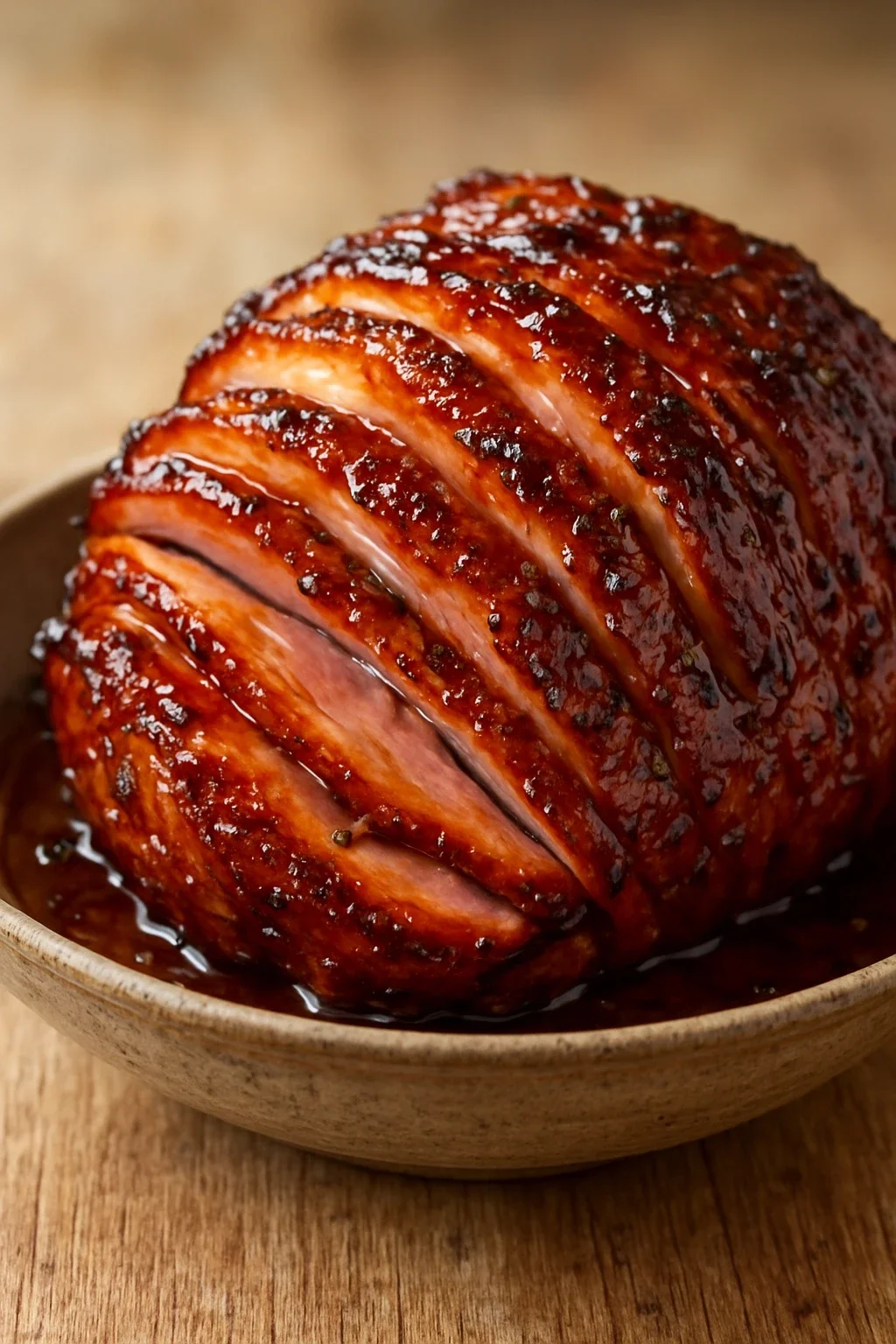
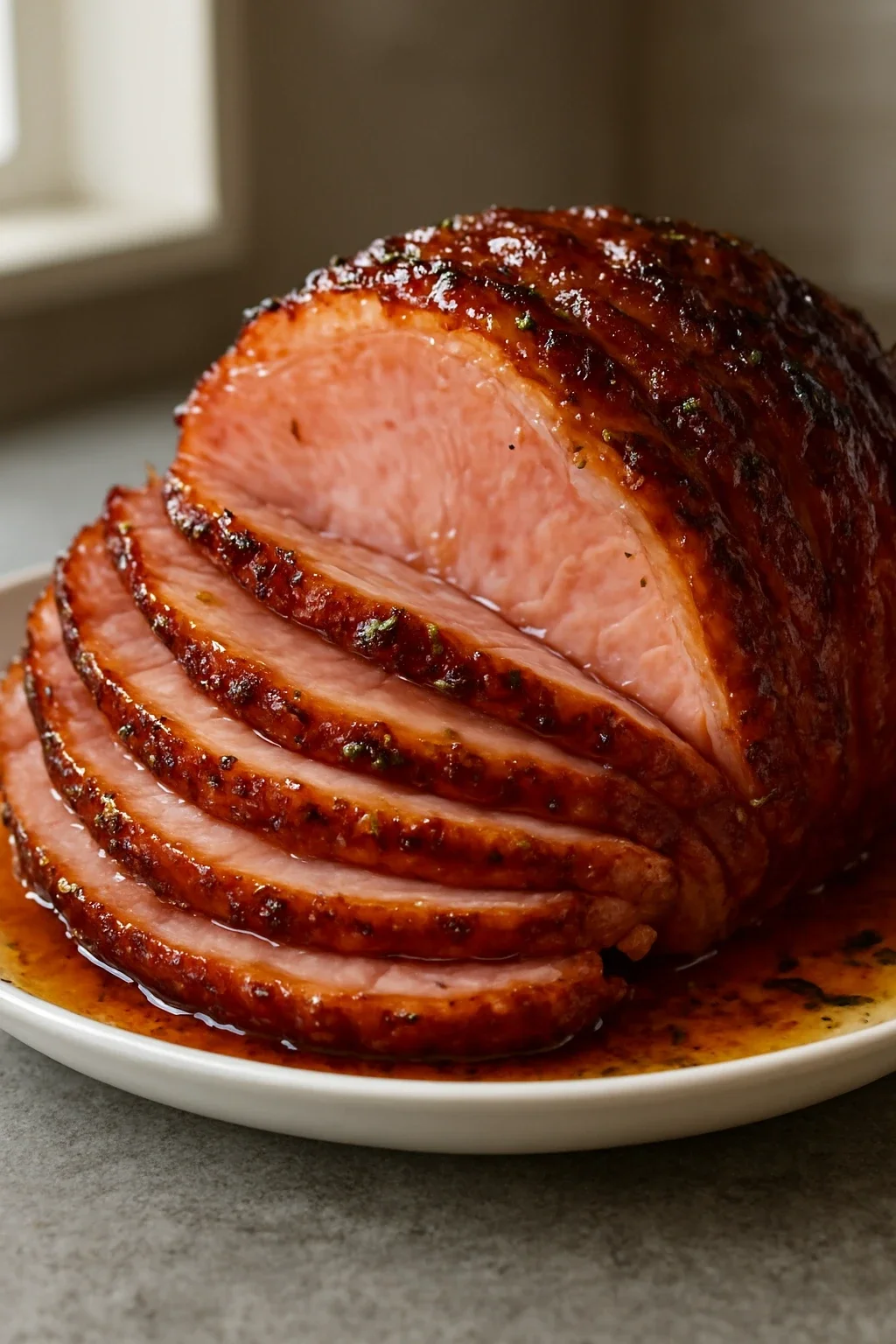
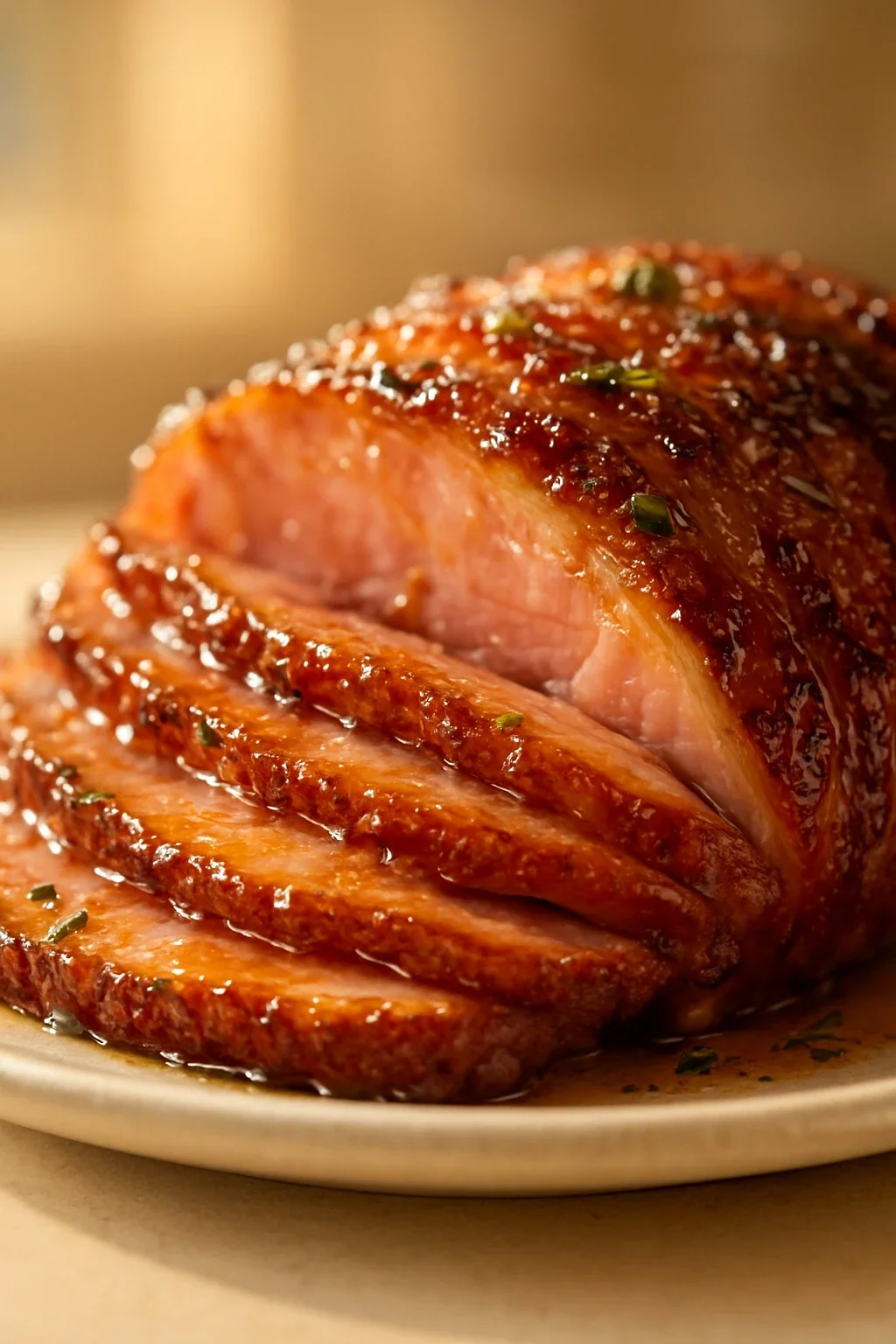
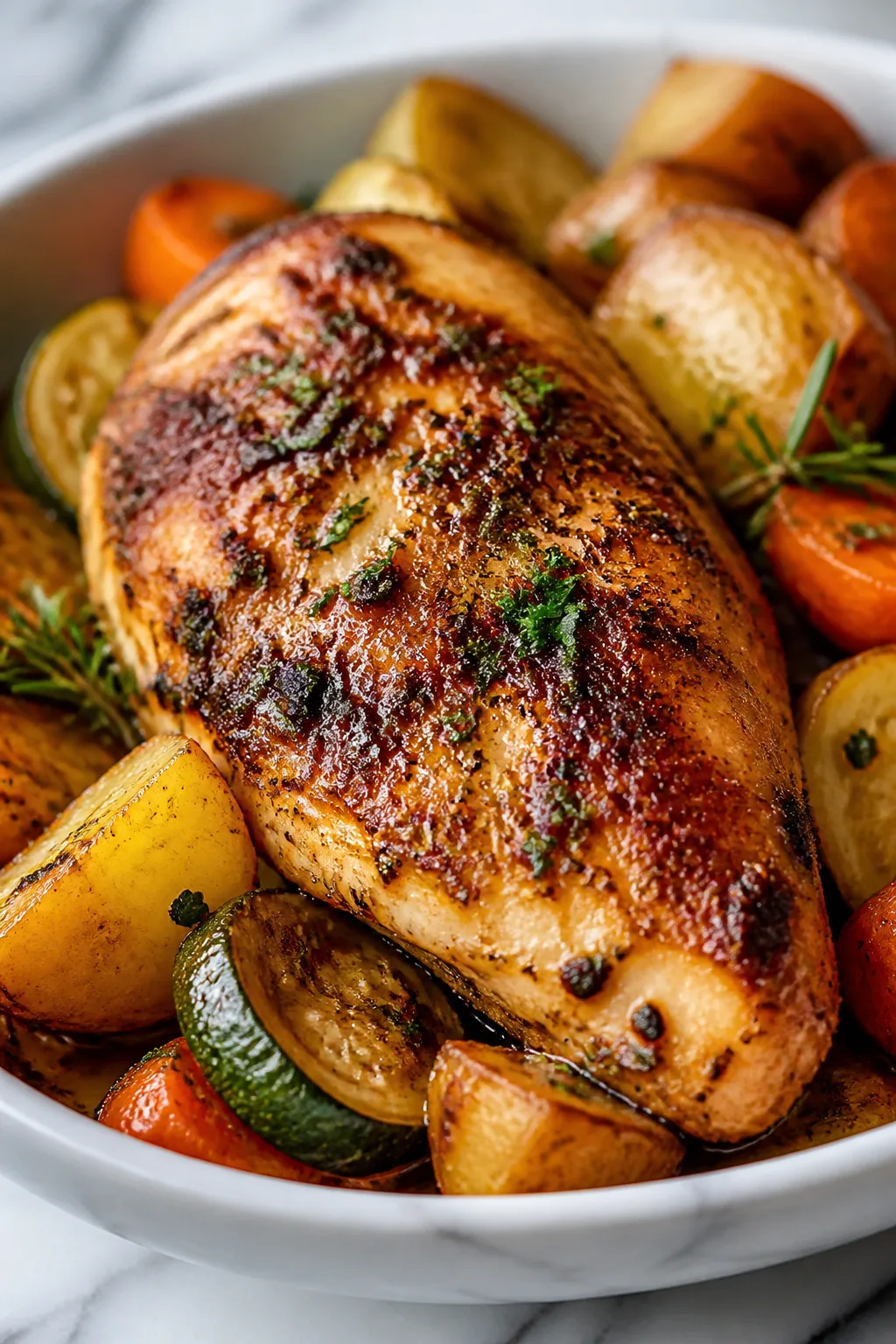
A straightforward recipe for a traditional Easter ham, featuring a brown sugar and mustard glaze that caramelizes to a glossy, flavorful crust. Learn how to achieve the right balance of sweetness and tang, how to time the glaze application for optimal caramelization, and tips to keep the ham moist and tender throughout roasting.
Introduction
Every Easter, I prepare this classic ham that always draws compliments at the dinner table. The key to this recipe is the glaze—a simple blend of brown sugar and mustard that caramelizes beautifully, creating a glossy, slightly sticky crust with a gentle tang. I remember one spring afternoon when the smell of the roasting ham filled the house, mixing with the fresh breeze from the open windows. It’s a dish that feels special without being complicated, suitable for family gatherings or any occasion where you want a reliable, crowd-pleasing centerpiece. This version emphasizes timing and balance in the glaze application to avoid burning while maximizing flavor, which I’ve refined over many holiday dinners. Here’s how I approach it.
What You'll Need
One 6-8 pound glazed ham, serving 8 people
- 1 fully cooked bone-in ham, 6-8 lbs (2.7-3.6 kg)
- 1/2 cup (100g) brown sugar, packed
- 2 tbsp (30g) Dijon mustard (or yellow mustard for milder flavor)
- 1 tbsp (15ml) apple cider vinegar or fresh lemon juice
- 1/2 tsp (3g) ground black pepper
- Optional: whole cloves for studding the ham (about 20-25 cloves)
How To Do It
Step 1
Preheat the oven to 325°F (160°C). Remove the ham from its packaging and place it on a roasting rack in a shallow roasting pan. Pat the surface dry with paper towels to help the glaze stick later.
⏱ Time: 10 minutes
✓ Doneness: Ham surface is dry to touch with no visible moisture
Step 2
If using whole cloves, stud the ham by inserting them into the surface in a decorative pattern, spacing them evenly about 1 inch apart. This step is optional but adds aroma and visual appeal.
⏱ Time: 5 minutes
✓ Doneness: Cloves are firmly embedded and evenly spaced across ham surface
Step 3
In a small bowl, mix the brown sugar, Dijon mustard, apple cider vinegar, and black pepper until smooth and well combined. The mixture should be thick and spreadable.
⏱ Time: 3 minutes
✓ Doneness: Glaze is uniform in texture and slightly glossy
Step 4
Place the unglazed ham in the oven and roast uncovered for 60 minutes to warm through. The internal temperature should reach about 130°F (54°C) when measured with an instant-read thermometer.
⏱ Time: 60 minutes
✓ Doneness: Ham is steaming and warmed, thermometer reads approximately 130°F (54°C) in the thickest part
Step 5
Remove the ham from the oven and brush about half of the glaze evenly over the surface using a basting brush. Return the ham to the oven and roast for 15 minutes. During this time, the glaze will begin to caramelize and thicken.
⏱ Time: 15 minutes
✓ Doneness: Glaze surface bubbles lightly and becomes a shiny, sticky crust
Step 6
Remove the ham again and apply the remaining glaze evenly. Return to the oven for another 15 minutes, keeping a close eye to avoid burning. The glaze should be deeply caramelized with small dark spots but not blackened.
⏱ Time: 15 minutes
✓ Doneness: Glaze is glossy and golden brown with a slightly crisp texture
Step 7
Once glazing is complete, remove the ham from the oven and tent loosely with foil. Let it rest for 10-15 minutes before slicing. Resting allows juices to redistribute and glaze to set slightly.
⏱ Time: 10-15 minutes
✓ Doneness: Ham surface is tacky but set; juices are clear when sliced
Pro Tips
Pat the ham dry before applying glaze to ensure it sticks properly.
Moist surfaces cause the glaze to slide off and pool, preventing even caramelization.
Apply the glaze in two stages during the last 30 minutes of roasting.
This prevents the sugar from burning and allows the glaze to develop layers of flavor and texture.
Use an instant-read thermometer to monitor internal temperature without overcooking.
Overheating a pre-cooked ham dries it out; 130-140°F (54-60°C) is sufficient for warming and juiciness.
If you notice the glaze darkening too quickly, tent the ham loosely with foil.
Foil reduces direct heat exposure and prevents the sugars from burning while the ham finishes warming.
Let the ham rest after roasting before slicing.
Resting prevents juice loss and allows the glaze to set, improving both texture and appearance.
Consider placing a shallow pan of water beneath the roasting rack.
This creates a humid environment that helps keep the ham moist during roasting.
Common Mistakes to Avoid
Applying glaze too early or all at once.
Why it happens Adding the glaze at the start exposes sugars to prolonged heat, causing them to burn and taste bitter.
Fix Apply glaze in stages toward the end of cooking to build caramelization without burning.
Not drying the ham surface before glazing.
Why it happens A wet surface prevents the glaze from adhering and caramelizing properly.
Fix Pat the ham thoroughly dry with paper towels before applying glaze.
Overheating the ham during roasting.
Why it happens Since the ham is pre-cooked, cooking too long or at too high a temperature dries it out and toughens the meat.
Fix Use a thermometer and roast at 325°F (160°C) only until the ham reaches 130-140°F (54-60°C).
Skipping the resting period after roasting.
Why it happens Cutting immediately causes juices to run out, leaving the meat dry and glaze unset.
Fix Tent the ham loosely with foil and let it rest 10-15 minutes before slicing.
Variations
Maple Mustard Glaze
Replace brown sugar with pure maple syrup and add 1 tablespoon (15ml) of whole grain mustard for texture. This creates a sweeter, slightly textured glaze with a hint of woodsy maple aroma.
Note: Maple syrup caramelizes differently, so apply glaze in thinner layers and monitor closely to avoid burning.
Spiced Orange Glaze
Add 1/4 cup (60ml) fresh orange juice and 1/2 teaspoon (1g) ground cinnamon to the brown sugar and mustard mixture. The citrus adds brightness, and cinnamon contributes warm spice notes.
Note: The added liquid thins the glaze, so cook it down slightly on the stovetop before applying to concentrate flavors.
Honey Mustard Glaze
Use 1/4 cup (85g) honey instead of brown sugar, combined with Dijon mustard and a splash of apple cider vinegar. This creates a floral sweetness with a balanced tang.
Note: Honey burns more easily than sugar; apply thinner layers and reduce oven temperature by 15°F (10°C) if needed.
Dijon and Herb Glaze
Add 2 tablespoons (8g) finely chopped fresh rosemary and thyme to the glaze mixture for herbal complexity that complements the ham.
Note: Fresh herbs can brown quickly; add them during the second glaze application to avoid bitterness.
Gluten-Free Variation
Ensure mustard used is gluten-free (most Dijon mustards are, but check labels). Use pure brown sugar and avoid any additives that may contain gluten.
Note: This recipe is naturally gluten-free if ingredient labels are checked carefully.
Nutrition
Per Serving:
approximately 350
Calories
Values are estimates and may vary based on ham brand, glaze thickness, and exact portion sizes. Sodium content is influenced by the ham’s curing process.
Storage & Tips
Room Temperature
Do not leave leftover ham out at room temperature for more than 2 hours to prevent bacterial growth.
Refrigerator
Store cooled leftover ham in an airtight container in the refrigerator for up to 4 days. Cover with plastic wrap or foil to prevent drying out.
Freezer
Freeze leftover ham slices in airtight containers or heavy-duty freezer bags for up to 2 months. Label and remove as much air as possible before freezing.
Reheating
Reheat ham slices gently in a covered baking dish at 275°F (135°C) for 20-30 minutes or until warmed through. Avoid high heat to prevent drying. Alternatively, reheat in the microwave covered with a damp paper towel for even moisture.
Make Ahead
Prepare the glaze up to 24 hours in advance and store it covered in the refrigerator. Bring to room temperature before applying to the ham during roasting.
FAQ
Can I make Easter ham ahead of time?
Yes, you can cook the ham fully and apply the glaze the day before. Reheat gently in the oven covered with foil to keep it moist.
Why is my ham glaze burning?
Glaze burns if applied too early or cooked at too high a temperature. Apply glaze in stages near the end of roasting and monitor closely to prevent burning.
Can I use honey instead of brown sugar in the glaze?
Yes, honey works but burns more easily. Use thinner layers and reduce oven temperature slightly to avoid burning.
How long does cooked ham last in the fridge?
Cooked ham will keep safely for up to 4 days in the refrigerator when stored properly in airtight containers.
Can I use a boneless ham for this recipe?
You can, but boneless hams tend to dry out faster. Adjust cooking time slightly and watch for moisture retention.
Is it necessary to stud the ham with cloves?
No, cloves are optional. They add aroma and traditional appearance but can be omitted without affecting overall flavor significantly.
Final Thoughts
This Easter ham recipe combines straightforward techniques with thoughtful timing to produce a dish that feels special and tastes satisfying. I welcome your experiences or questions in the comments—sharing how you make this holiday centerpiece your own enriches the tradition.