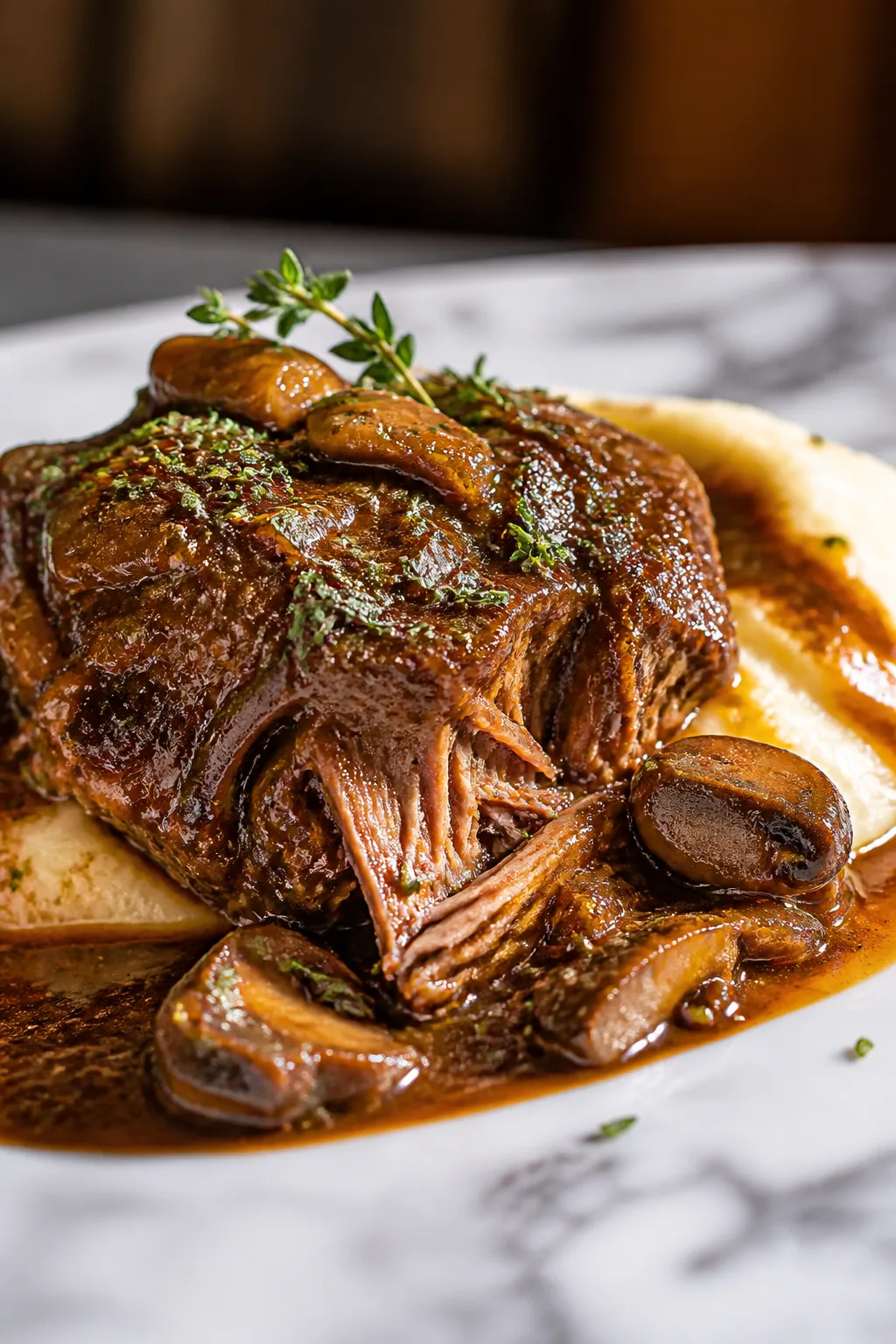
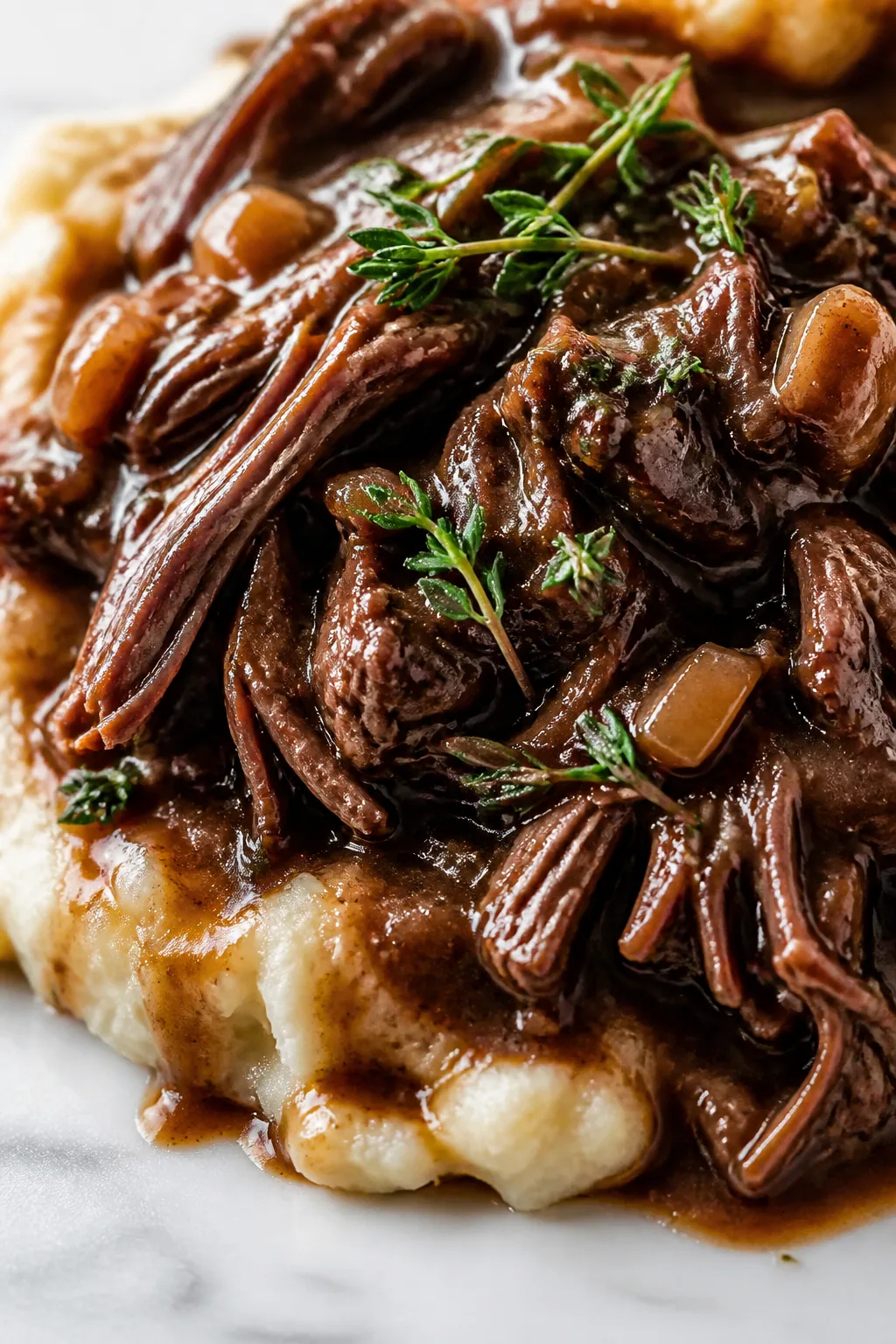
This slow cooker beef stew is pure comfort—rich, tender, and packed with deep flavors from hours of slow cooking. The secret? Browning the beef first to lock in juices. Great for chilly nights when you want dinner ready and waiting!
Introduction
I first made this slow cooker beef stew on a chilly fall weekend when I wanted something warm and comforting but didn’t want to spend hours in the kitchen. What makes this version stand out is that I brown the beef chunks before tossing them in the slow cooker—this step seals in the juices and adds a deep, rich flavor to the whole stew. I also like to add tomato paste and fresh herbs to give it a nice, balanced depth. Over the years, I’ve tweaked the veggies and seasoning to make it just right for my family. The result is a thick, hearty stew with tender beef that practically melts in your mouth and vegetables that soak up all that savory broth. It’s perfect for a cozy dinner, whether it’s a weeknight or when friends come over. Plus, the slow cooker does all the work, so you can prep in the morning and come home to an amazing meal waiting for you. One time, I skipped browning the beef and the stew was okay but lacked that rich complexity. Now I never skip that step—it’s the secret to making this stew truly special.
How To Do It
Step 1
Start by patting the beef cubes dry with paper towels to remove excess moisture. This helps the meat brown better instead of steaming. Heat olive oil in a large skillet over medium-high heat until shimmering. Add the beef cubes in batches without crowding the pan, letting them brown on all sides to develop a deep crust. Browning the meat is key because it locks in juices and creates those rich Maillard flavors that make the stew taste amazing. Avoid stirring too frequently; let the beef sit to brown properly. Once browned, transfer the beef to the slow cooker.
⏱ Time: 10 minutes
✓ Doneness: Beef cubes should have a deep brown crust on all sides without burning
Step 2
In the same skillet, add diced onions and sauté over medium heat until softened and translucent, about 5 minutes. Add minced garlic and cook for another minute until fragrant. This step builds a flavorful base for the stew by extracting sweetness from the onions and garlic. If you skip this, your stew might taste flat. Transfer onions and garlic to the slow cooker with the beef.
⏱ Time: 6 minutes
✓ Doneness: Onions should be soft, translucent, and aromatic without browning
Step 3
Add the sliced carrots, celery, and cubed potatoes to the slow cooker. These vegetables add texture, sweetness, and heartiness to the stew. Make sure to cut them into similar sizes so they cook evenly. If pieces are too large, they might remain undercooked after the long cooking time.
⏱ Time: 5 minutes
✓ Doneness: Vegetables evenly distributed and cut into roughly 1-inch pieces
Step 4
Stir in tomato paste, dried thyme, rosemary, bay leaves, salt, and pepper. Tomato paste adds a subtle acidity and depth, balancing the richness of the beef. Herbs infuse the stew with earthy, aromatic notes. Seasoning at this stage ensures flavors meld during the long cook. Don’t be shy with salt; it enhances all the ingredients.
⏱ Time: 3 minutes
✓ Doneness: Ingredients evenly mixed and tomato paste fully incorporated
Step 5
Pour in the beef broth until the ingredients are mostly submerged, about 4 cups. The liquid will simmer slowly, breaking down the beef and vegetables to create a thick, flavorful sauce. Too little broth and the stew will dry out; too much and it will be soupy. The right amount ensures a perfect, stew-like consistency after cooking.
⏱ Time: 2 minutes
✓ Doneness: Ingredients just covered by broth, no dry spots
Step 6
Cover the slow cooker and cook on low for 7-8 hours or on high for 4-5 hours. Slow cooking breaks down tough beef fibers, making the meat tender and the flavors deeply developed. Resist the urge to lift the lid too often as it lowers the temperature and extends cooking time. The low and slow method is what transforms this dish into a melt-in-your-mouth experience.
⏱ Time: 7-8 hours
✓ Doneness: Beef is fork-tender and vegetables are soft but not mushy
Step 7
About 30 minutes before serving, mix the all-purpose flour with a few tablespoons of cold water to create a smooth slurry. Stir this into the stew to thicken the broth. This step gives the stew a luscious, velvety texture. If you add flour directly, it can clump, so the slurry method is important. Cook uncovered for the final 30 minutes to allow thickening.
⏱ Time: 30 minutes
✓ Doneness: Broth thickened to a rich, stew-like consistency
Step 8
Taste the stew and adjust seasoning with salt and pepper if needed. Fresh herbs can also be added at this stage for a bright finish. This last seasoning check is crucial since flavors can mellow during cooking. Don’t be shy to tweak it to your liking.
⏱ Time: 5 minutes
✓ Doneness: Balanced seasoning with no overpowering saltiness or blandness
Step 9
Serve the stew hot, garnished with chopped fresh parsley for a pop of color and freshness. Pair it with crusty bread or over creamy mashed potatoes to soak up all the delicious sauce. Enjoy the comforting warmth and rich flavors that only slow cooking can provide.
⏱ Time: 0 minutes
✓ Doneness: Stew steaming hot with vibrant garnish
Pro Tips
Always brown the beef before slow cooking.
Browning triggers Maillard reactions that develop deep, savory flavors. If you skip this, the stew will lack richness and taste flat. Plus, browning seals in juices, keeping the meat moist during the long cook.
Cut vegetables into uniform sizes.
Evenly sized pieces cook at the same rate, preventing some veggies from turning mushy while others remain undercooked. This consistency improves both texture and eating experience.
Use a flour slurry to thicken the stew at the end.
Adding flour directly can cause clumps. Mixing flour with cold water before stirring it in ensures smooth thickening. It creates a luxurious mouthfeel and helps the broth cling to the meat and veggies.
Season gradually and taste before serving.
Salt and herbs develop and mellow over time. Adding seasoning in stages lets you balance flavors perfectly. Adjusting at the end ensures the stew isn’t under- or oversalted.
Don’t lift the slow cooker lid during cooking.
Each time you lift the lid, heat escapes, extending cooking time and disrupting the slow simmer. Trust the process for tender results.
Use fresh herbs for garnish.
Fresh parsley adds brightness and color that contrasts the rich stew. It enhances aroma and makes the dish feel lighter and more vibrant.
Serve with crusty bread or mashed potatoes.
These sides soak up the flavorful broth and complete the meal. They add texture contrast and make the stew more satisfying.
Common Mistakes to Avoid
Skipping the browning step.
Why it happens Sometimes cooks want to save time or avoid extra dishes, thinking slow cooking alone will build flavor.
Fix Take the extra 10 minutes to brown the beef in batches. It’s worth the effort for the richer taste and juicier texture.
Adding too much liquid.
Why it happens Beginners often overestimate broth needed to cover ingredients, fearing dryness.
Fix Add just enough broth to mostly cover the ingredients. The stew thickens as it cooks, so excess liquid dilutes flavors.
Not seasoning enough.
Why it happens Some assume slow cooking intensifies saltiness, so they under-season initially.
Fix Season generously at the start and adjust at the end. Taste testing before serving is key to balanced flavors.
Using vegetables that cook too fast.
Why it happens Adding delicate veggies like zucchini early can lead to mushiness.
Fix Stick to hearty vegetables like carrots, celery, and potatoes that hold up during long cooking. Add quick-cooking veggies near the end if desired.
Lifting the lid frequently.
Why it happens Curiosity or impatience leads cooks to check too often.
Fix Resist the urge. Each time the lid lifts, heat escapes and cooking time lengthens, affecting texture and flavor.
Variations
Red Wine Slow Cooker Beef Stew
Add 1 cup of dry red wine along with the beef broth for a deeper, more complex flavor. The wine’s acidity tenderizes the meat and adds richness. Expect a slightly more robust and aromatic stew.
Note: Reduce broth slightly to compensate for added liquid; cook uncovered for last 30 minutes to burn off alcohol.
Slow Cooker Beef Stew with Mushrooms
Include 8 oz sliced mushrooms for an earthy twist. Mushrooms add umami and soak up the stew’s flavors. Add them halfway through cooking to prevent over-softening.
Note: Add mushrooms after 4 hours on low to maintain texture and avoid mushiness.
Spicy Slow Cooker Beef Stew
Stir in 1 tsp smoked paprika and a pinch of cayenne for a little heat. This variation adds warmth and complexity without overpowering the classic flavors.
Note: Adjust spice level to taste; add spices with the tomato paste for even flavor distribution.
Slow Cooker Beef Stew with Root Vegetables
Swap some potatoes for turnips, parsnips, or rutabagas for a rustic, earthy flavor. These root veggies add sweetness and texture variety to the stew.
Note: Cut root veggies into similar sizes as potatoes for even cooking.
Gluten-Free Slow Cooker Beef Stew
Use cornstarch instead of flour to thicken the stew. This keeps it safe for gluten-sensitive eaters without sacrificing texture.
Note: Add cornstarch slurry in last 15 minutes of cooking to avoid breakdown and thinning.
Nutrition
Per Serving:
Nutritional values are estimates and may vary based on specific ingredients used.
Storage & Tips
Room Temperature
The stew can be safely left out at room temperature for up to 2 hours. Cover it loosely with foil or a lid to avoid contamination.
Refrigerator
Store leftovers in an airtight container for up to 4 days. The flavors deepen overnight, but the potatoes may soften further. Reheat gently to avoid drying out.
Freezer
Freeze the stew in airtight containers or heavy-duty freezer bags for up to 3 months. Remove as much air as possible to prevent freezer burn. Thaw overnight in the fridge before reheating.
Reheating
Reheat on the stovetop over medium heat, stirring occasionally. Add a splash of broth or water if it becomes too thick. Avoid microwaving too long at high power to prevent uneven heating.
Make Ahead
You can prep all ingredients and brown the beef a day ahead. Store everything separately in the fridge and combine in the slow cooker on cooking day for maximum freshness.
FAQ
Can I use a different cut of beef for this stew?
Yes, but choose cuts suitable for slow cooking like brisket or short ribs. Avoid lean cuts like sirloin as they can become tough and dry. The collagen in chuck breaks down during slow cooking, giving tenderness and flavor.
What if I don’t have a slow cooker?
You can make this stew on the stovetop or in a Dutch oven by simmering gently for 2.5 to 3 hours until the beef is tender. Keep the pot partially covered and stir occasionally to prevent sticking.
How do I prevent the vegetables from becoming mushy?
Cut veggies into uniform sizes and add any delicate vegetables later in cooking. For this recipe, hearty vegetables like carrots and potatoes hold up well during the long cook.
Can I make this stew in advance?
Absolutely! It tastes even better the next day after flavors meld. Store in the fridge and reheat gently before serving. You can also freeze leftovers for later.
How thick should the stew be?
It should be thick enough to coat a spoon but still spoonable. If it’s too thin, thicken with a flour or cornstarch slurry. If too thick, add a little broth or water when reheating.
Is it okay to skip the tomato paste?
You can, but tomato paste adds important acidity and umami that balance the stew’s richness. Without it, the stew may taste a bit flat or overly heavy.
How do I adjust cooking times for a larger or smaller batch?
For larger batches, cooking times remain similar but check for tenderness. Smaller batches may cook faster, so check earlier to avoid overcooking.
Can I use fresh herbs instead of dried?
Yes! Use about three times the amount of fresh herbs as dried. Add fresh herbs towards the end of cooking or as garnish to preserve their bright flavor.
Final Thoughts
I hope you give this slow cooker beef stew a try—it’s one of those recipes that feels like a warm hug on a plate. Let me know how it turns out and share your cozy dinner moments!